
Awarded Organization: Harvard University
Awarded Department: Department of Molecular and Cellular Biology
Sponsor: Dr. John Chant & Tom A RapoportAward Year Start: 1995
Current Organization: Harvard Medical School
Current Department: ICCB Longwood Screening Facility
Current Title: Director
Project Title: Re-export of proteins of the endoplasmic reticulum membrane into the cytosol
Awarded Organization: Albert Einstein College of Medicine
Awarded Department: Department of Molecular Biology
Sponsor: Dr. Julius MarmurAward Year Start: 1966
Current Organization: Stanford University
Current Department: Department of Developmental Biology
Current Title: Professor Emeritus
Project Title: Mechanisms of mitochondrial replication
Awarded Organization: Institut Pasteur
Fellowship University: Harvard University
Awarded Department: Service de Genetique Cellulaire
Sponsor: Dr. Francois Jacob and Jonathan R. BeckwithAward Year Start: 1967
Current Organization: University of Chicago
Current Department: Department of Biochemistry and Molecular Biology
Current Title: Professor
Project Title: Regulation of growth; regulation of DNA synthesis in E. coli
Harvard University /
Broad Institute
Awarded Organization: Harvard University
Fellowship University: Broad Institute
Awarded Department: Department of Stem Cell and Regenerative Biology
Sponsor: Dr. John L. RinnAward Year Start: 2011
Current Organization: University of Washington
Current Department: Department of Pharmacology
Current Title: Assistant Professor
Project Title: Structure and function of large non-coding RNAs regulated by p53
Awarded Organization: Massachusetts General Hospital
Awarded Department: Center for Systems Biology
Sponsor: Dr. Bradley BernsteinAward Year Start: 2012
Current Organization: Weizmann Institute of Science
Current Department: Department of Immunology and Regenerative Biology
Current Title: Assistant Professor
Project Title: Epigenetic events in cancer
Awarded Organization: Cleveland Clinic Foundation
Awarded Department: Department of Cell Biology
Sponsor: Dr. Stanley HazenAward Year Start: 1999
Project Title: Eosinophils, DNA damage and breast cancer
Awarded Organization: Columbia University Medical Center
Awarded Department: Department of Physiology and Cellular Biophysics
Sponsor: Dr. James E. RothmanAward Year Start: 2005
Current Organization: University of Colorado, Boulder
Current Department: Department of Molecular, Cellular and Developmental Biology
Current Title: Professor
Project Title: Regulation of exocytosis
Awarded Organization: Harvard Medical School
Awarded Department: Department of Genetics,
Sponsor: Dr. Philip LederAward Year Start: 1988
Current Organization: Columbia University
Current Department: Department of Medicine, Genetics and Development
Current Title: Professor
Project Title: Molecular analysis of chromosomal imprinting in mice
Awarded Organization: University of California, Berkeley
Awarded Department: Department of Molecular and Cellular Biology
Sponsor: Dr. Andrew DillinAward Year Start: 2017
Current Organization: University of California, Berkeley
Current Department: Department of Molecular and Cell Biology
Current Title: Postdoctoral Fellow
Project Title: Defining the protective role of the mitochondrial stress response in aging
Aging is a risk factor for nearly every chronic disease, and organismal health in aging and age-related disorders is increasingly linked to mitochondrial health. A key contributor to age-related mitochondrial dysfunction is the accumulation of misfolded proteins (or proteotoxic stress). Recent evidence has shown how proteotoxic stress can activate the unfolded protein response in mitochondria (UPRmt), a conserved stress response pathway critical for regulating longevity. However, the molecular mechanisms underlying UPRmt activation and lifespan extension during aging remain unknown. The objective of this proposal is to_x000D_
identify a framework for how mitochondria recognize and respond to proteotoxic stress, which will inform how stress response mechanisms become compromised during aging. First, we will investigate how age associated proteotoxic stress activates the UPRmt and how this mechanism becomes compromised during aging. Secondly, we will conduct a focused RNAi screen to discover novel downstream effectors of the UPRmt that are essential for protecting lifespan upon proteotoxic stress. By establishing the relationship between the UPRmt and proteotoxic stress in aging, we will gain a fundamental understanding of the molecular basis of mitochondrial aging. This will establish new realms of therapeutic intervention that directly target the underlying cause of nearly every chronic disease – getting older.
Awarded Organization: Stanford University
Awarded Department: Department of Biochemistry
Sponsor: Dr. Paul BergAward Year Start: 1973
Current Organization: Princeton University
Current Department: Department of Molecular Biology
Current Title: Professor Emeritus
Project Title: Nature of SV40-induced T antigen
Awarded Organization: University of California, San Francisco
Awarded Department: Department of Cellular and Molecular Pharmacology
Sponsor: Dr. Ronald ValeAward Year Start: 2001
Current Organization: California Institute for Regenerative Medicine
Current Title: Director
Project Title: Biochemical analysis of mRNA localization in yeast
University of Colorado, Anschutz Medical Campus
Read more
Awarded Organization: University of Colorado, Anschutz Medical Campus
Awarded Department: Department of Biochemistry and Molecular Genetics
Sponsor: Dr. Jeffrey KieftAward Year Start: 2019
Current Organization: University of California, Santa Cruz
Current Department: Advanced Science Research Center
Current Title: Assistant Professor of MCD Biology
Project Title: Structural basis for noncanonical translation initiation in viruses
My postdoctoral research is focused on structured viral RNAs involved in enhancing translation of viral proteins. Some of the RNAs I’m studying are able to induce a reinitiation event within the viral RNA genome through specific interactions with the ribosome. My research focuses on the determining the molecular interactions that enable this RNA structure to promote translation activity at downstream open reading frames following a translation termination event. Another set of RNAs I’m studying are found primarily in plant viruses and mimic cellular tRNAs. Previous and ongoing studies in the Kieft lab aim to determine how different examples of these tRNA-like structures fold, the structural and functional differences between different classes and subtypes, and how these RNAs enhance viral translation.
Awarded Organization: University of Oregon
Awarded Department: Institute of Molecular Biology
Sponsor: Dr. Brian W MatthewsAward Year Start: 1990
Current Organization: GlaxoSmithKline
Current Title: Director
Project Title: Crystallographic studies of the BirA protein
National Institute for Medical Research
Read more
Awarded Organization: National Institute for Medical Research
Sponsor: Dr. Richard FlavellAward Year Start: 1979
Current Title: Climate Activist
Project Title: Molecular mechanisms in the B-thalassemias
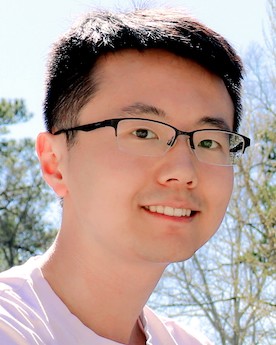
Awarded Organization: University of California, Berkeley
Awarded Department: California Institute for Quantitative Biosciences (QB3)
Sponsor: Dr. Jennifer DoudnaAward Year Start: 2023
Current Title: Postdoctoral Fellow
Project Title: Predicting the speed and accuracy of CRISPR-Cas genome editing
CRISPR-Cas enzymes are versatile tools for gene editing and research applications such as transcriptional regulation and imaging. The speed and accuracy of CRISPR-Cas enzymes are crucial, yet how they identify a unique ~ 20-base-pair target within billions of base pairs in the genome is still unclear. Dr. Honglue Shi aims to obtain a more quantitative and predictive understanding of how natural and engineered CRISPR-Cas enzymes rapidly and accurately target specific DNA sequences in Dr. Jennifer Doudna’s lab at the University of California, Berkeley. Shi will use structure-guided biochemistry to develop a kinetic model for CRISPR-Cas9 search speed and accuracy. He will then test the generality of the model on additional CRISPR enzymes and ancestral RNA-guided TnpB enzymes. This research is fundamental to understanding both the evolutionary history of RNA-guided enzymes and the utility of these systems for genome editing. In the future, these results will enable predictions and design of genome editing functions that are not possible or practical today and will greatly accelerate the field as well as the precision and outcomes of next-generation genome editing tools.
As a Ph.D. student in Dr. Hashim Al-Hashimi’s lab at Duke University, Shi focused on the development of biophysical approaches such as NMR spectroscopy to extend the description of nucleic acids from static structures to dynamic ensembles, which results in a deeper and more predictive understanding of how nucleic acids are being recognized by other biomolecules. Having developed this expertise in nucleic acid biophysics and perspectives in dynamic ensembles, Dr. Shi is ready to elucidate the properties that define the best genome editors in Dr. Doudna’s lab.
Awarded Organization: Harvard Medical School
Awarded Department: Department of Anatomy and Cellular Biology
Sponsor: Dr. Joan V RudermanAward Year Start: 1989
Project Title: Activation of cdc 2/cyclin kinase during meiosis in the surf clam
Awarded Organization: Oklahoma Medical Research Foundation
Awarded Department: Program in Molecular and Cell Biology
Sponsor: Dr. Joan Conaway & Ronald ConawayAward Year Start: 1995
Current Organization: Northwestern University
Current Department: Department of Biochemistry and Molecular Genetics
Current Title: Robert Francis Furchgott Professor Biochemistry and Pediatrics
Project Title: Role of phosphorylation in eukaryotic mRNA synthesis
Awarded Organization: Yale University
Awarded Department: Department of Cell Biology
Sponsor: Dr. Ira MellmanAward Year Start: 2004
Current Organization: University of California, San Francisco
Current Department: Department of Microbiology and Immunology
Current Title: Associate Professor
Project Title: Multivesicular bodies in dendritic cell function
Awarded Organization: Princeton University
Awarded Department: Department of Molecular Biology
Sponsor: Dr. Shirley M TilghmanAward Year Start: 1995
Current Organization: Kallyope
Current Department: Early Discovery Translation and In Vitro Pharmacology
Current Title: Chairman
Project Title: Melanocyte development in mice
Awarded Organization: Medical Research Council (MRC),UKRI
Awarded Department: Laboratory of Molecular Biology
Sponsor: Dr. Kim A. NasmythAward Year Start: 1982
Current Organization: University of Geneva
Current Department: Department of Molecular Biology
Current Title: Professor Honoraire
Project Title: Structure and regulation of yeast mating-type genes
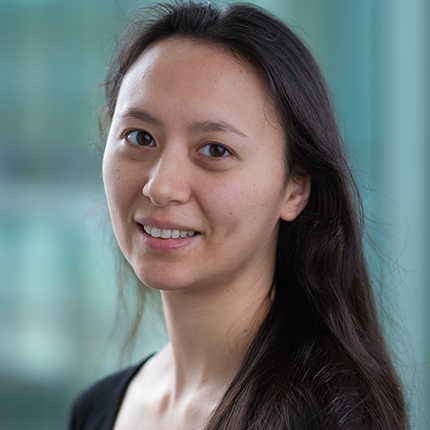
Awarded Organization: University of Washington
Awarded Department: Department of Biochemistry
Sponsor: Dr. David BakerAward Year Start: 2025
Current Title: Postdoctoral Fellow
Project Title: Decoding the Structural Basis of Immunogenicity
Dr. Ellen Shrock envisions a future where novel therapeutics are not seen as dangerous by the immune system. While studying the immune response to SARS -CoV2 in her graduate work, she recognized that even different individuals responded in the same way to the virus. In her fellowship, Shrock is systematically characterizing immunogenicity, the ability of a substance to provoke an immune response, and training models to predict antibody recognition, with the long-term goal of avoiding such features in protein therapeutics.
During her thesis research in Dr. Stephen Elledge’s lab at Harvard Medical School, Shrock studied antibodies from people who had COVID-19 and found they targeted over 800 parts of the virus. She also showed that some parts of these antibodies are built into our genes and help the immune system recognize viruses quickly. Shrock’s research is a giant step forward in understanding immune recognition, with important implications for viral immunoevasion and the design of immunosilent protein therapeutics.
As a postdoc in Dr. David Baker’s lab at the University of Washington, Shrock is taking a systematic approach to more broadly understand antibody recognition. She will execute a large-scale screen to characterize the antibody response against a diverse array of proteins. Shrock will then characterize the epitopes within these proteins and use her results to train an AI model to predict immunogenicity. In addition to providing fundamental learnings on immune recognition, Shrock’s findings will empower the design of future protein therapeutics that are invisible to our immune systems.

Awarded Organization: Massachusetts Institute of Technology
Awarded Department: Koch Institute for Integrative Cancer Research
Sponsor: Dr. Tyler JacksAward Year Start: 2024
Current Title: Postdoctoral Fellow
Project Title: Understanding tissue damage in the pre-neoplasia to neoplasia transition of colorectal cancer
Tissue regeneration, in a normal developmental context, and cancer are both forms of cellular proliferation. However, tissue regeneration is regulated and responsive to the surrounding environment, whereas cancer sheds these restraints. Understanding the commonalities and the differences between tissue regeneration and cancer may provide insight into novel avenues for cancer therapeutics.
Dr. Bing Shui will investigate the role of tissue damage in facilitating the early pre-neoplastic to neoplastic transition in colorectal cancer in Dr. Tyler Jacks’ lab at the Massachusetts Institute of Technology. Dr. Shui will examine how tissue damage cooperates with oncogenic mutations to initiate cancer. He will also compare damaged mutant and wildtype cells to identify vulnerabilities that can be leveraged to selectively destroy precancerous cells. Ultimately, a better understanding of the role of tissue damage in this early precancerous transition may reveal novel prophylactic cancer treatments.
Shui’s interest in the relationship between tissue regeneration and cancer burgeoned in Dr. Kevin Haigis’ lab at Harvard University. During his Ph.D. studies, he examined the role of microRNAs (miRNAs) in colon regeneration and colon cancer. First, Shui demonstrated that miRNAs are required for tissue regeneration and miRNA suppression exacerbated colon damage due to failed regeneration. Next, he examined the role of miRNAs in colon cancer and discovered a novel form of posttranslational regulation mediated by oncogenic K-Ras that governs global miRNA function. Now Shui will use his expertise in tissue damage and regeneration to identify vulnerabilities in colorectal cancer during his postdoctoral research.
Awarded Organization: National Institute of Health
Awarded Department: Frederick Cancer Research Facility
Sponsor: Dr. Thomas J SilhavyAward Year Start: 1982
Project Title: Phage and bacterial regulatory mechanisms
Awarded Organization: Harvard University
Awarded Department: The Biological Laboratories
Sponsor: Dr. Guido GuidottiAward Year Start: 1979
Current Organization: University of Chicago
Current Department: Microbiome Medicine Program
Project Title: Maltose and maltodextrin transport in E. coli
Awarded Organization: Stanford University
Awarded Department: Department of Medicine
Sponsor: Dr. Laurence KedesAward Year Start: 1972
Project Title: Purification and characterization of mRNA coding for myeloma protein
Awarded Organization: Columbia University
Awarded Department: Center for Neurobiology and Behavior
Sponsor: Dr. Eric KandelAward Year Start: 2000
Current Organization: Stowers Institute
Current Title: Scientific Director
Project Title: Molecular mechanism of synapse specific targeting of EF1-a and its role in synaptic growth
Awarded Organization: Carnegie Institution for Science
Awarded Department: Department of Embryology
Sponsor: Dr. Allan SpradlingAward Year Start: 2012
Current Organization: UT Southwestern Medical Center
Current Department: Department of Physiology
Current Title: Assistant Professor
Project Title: Metabolic transitions during Drosophila oogenesis
Awarded Organization: University of Wisconsin, Madison
Awarded Department: Department of Biochemistry
Sponsor: Dr. W S ReznikoffAward Year Start: 1972
Current Organization: Case Western Reserve University
Current Department: Department of Pharmacology
Current Title: Professor Emeritus
Project Title: The interaction of promoters and transcription factors
Max-Planck Institute /
University of California
Awarded Organization: Max-Planck Institute
Fellowship University: University of California
Awarded Department: Department of Genetics
Sponsor: Dr. C. Nusslein-Volhard & Y N JanAward Year Start: 1988
Current Organization: Vanderbilt University
Current Department: Division of Genetic Medicine
Current Title: Research Professor
Project Title: RNA localization in Drosophila development
Awarded Organization: University of Cologne
Awarded Department: Institute for Genetics
Sponsor: Dr. Klaus RajewskyAward Year Start: 1982
Current Organization: Hinge Bio, Inc.
Current Title: General Counsel & CEO
Project Title: Idiotype regulation of the immune response
Awarded Organization: Institut Pasteur
Awarded Department: Department of Microbial Genetics
Sponsor: Dr. Francois JacobAward Year Start: 1964
Current Organization: Massachusetts Institute of Technology
Current Department: Department of Biology
Current Title: Professor Emeritus�
Project Title: Operon expression and lysogeny
Awarded Organization: Harvard Medical School
Awarded Department: Department of Microbiology and Molecular Genetics
Sponsor: Dr. Jonathan R. BeckwithAward Year Start: 1975
Current Organization: Princeton University
Current Department: Department of Molecular Biology
Current Title: Professor
Project Title: Periplasmic protein secretion in E. coli
Awarded Organization: Stanford University
Awarded Department: Department of Neurobiology
Sponsor: Dr. Thomas ClandininAward Year Start: 2010
Current Organization: European Neuroscience Institute (ENI-G)
Current Department: RG Visual Processing
Current Title: Group Leader
Project Title: Neural integration of visual information in the Drosophila brain
My current research interest is visual system function in fruit flies. I want to understand how different behaviorally relevant visual cues, such as motion or polarized light information, are processed in the Drosophila brain.
I am from Germany. I studied biology and chemistry at the University of Münster, where I worked in a plant pathology lab as an undergraduate; I also did internships at Washington State University and Edinburgh University.  During that time I became interested in neuroscience and subsequently studied the development of the nervous system for my diploma thesis and PhD at the Department of Neurobiology in Münster. I used the fly embryonic peripheral nervous system to study how neurons and glial cells communicate in order to coordinate axonal outgrowth with glial cell migration. For my postdoc I switched from developmental to functional aspects of neuroscience. Outside the lab, I enjoy exploring the Bay area on my road bike or hiking, and meeting friends.
Awarded Organization: New York University
Awarded Department: Department of Biochemistry
Sponsor: Dr. Severo OchoaAward Year Start: 1970
Current Organization: Universidad Autonoma de Madrid
Current Title: Professor Emeritus
Project Title: Protein synthesis in Artemia salina
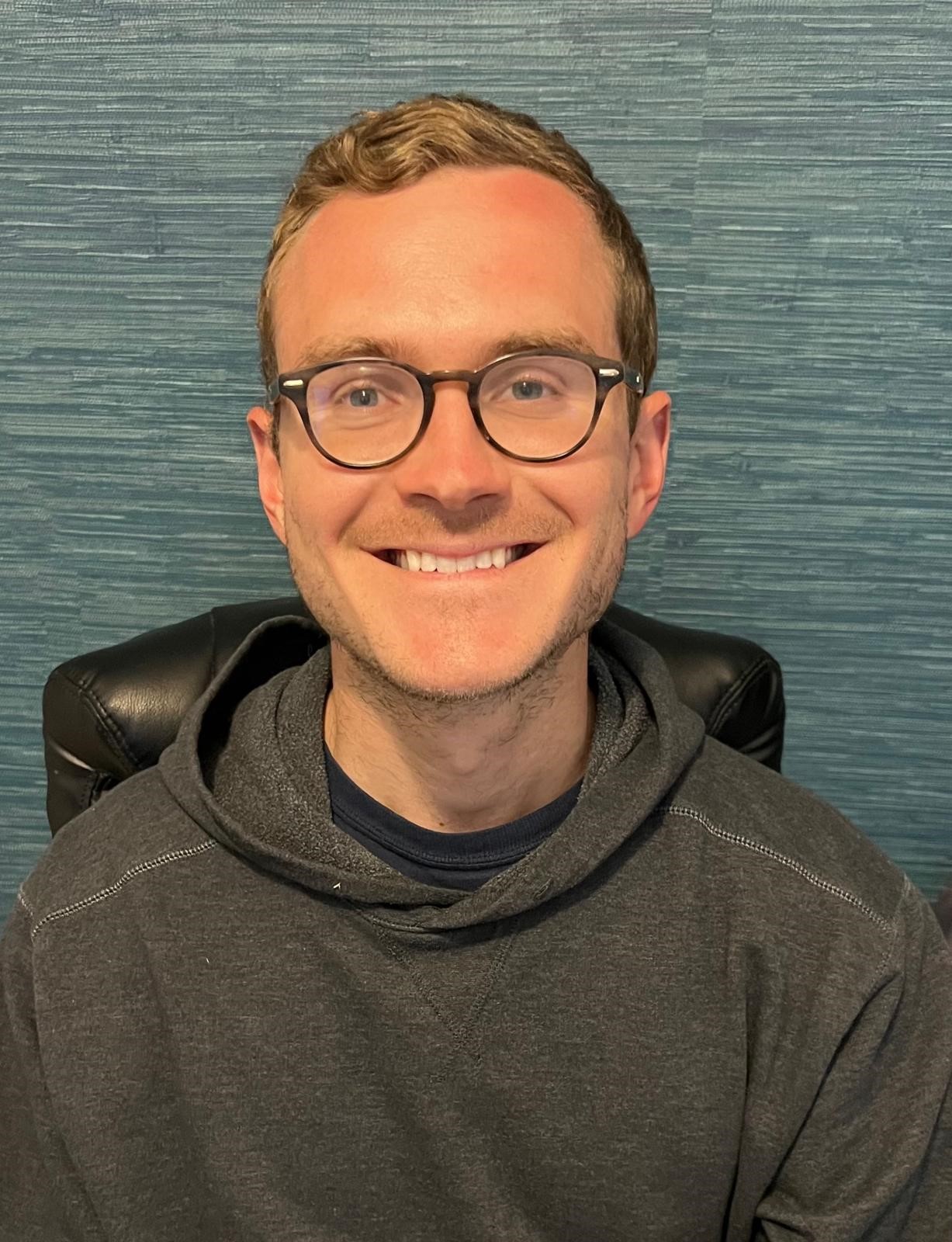
Awarded Organization: Harvard University
Awarded Department: Department of Molecular Biology
Sponsor: Dr. Bonnie BasslerAward Year Start: 2021
Current Organization: PumpKin
Current Title: Co-Founder, CSO
Project Title: Dynamics and manipulation of the vaginal microbiome by bacteriophages
DNA-damaging agents are the pervasive inducers of temperate phages in model bacteria. Most bacteria in the biosphere are polylysogens, harboring multiple prophages. Thus, how co-residing prophages compete for cell resources if they all respond to an identical trigger is unknown. My project in the Bassler Lab is focused on the discovery of regulatory modules that control prophage induction independently of the DNA damage cue. The modules I uncovered lack sequence similarity but share regulatory logic by having a transcription factor that activates the expression of a neighboring gene encoding a small protein. The small protein inactivates the master repressor of lysis, leading to induction. Polylysogens harboring two prophages exposed to DNA damage release mixed populations of phages. Single-cell analyses reveal that this blend is a consequence of discrete subsets of cells producing one, the other, or both phages. By contrast, induction via the DNA-damage-independent module results in cells producing only the phage sensitive to that specific cue. Thus, in the polylysogens tested, the cue used to induce lysis determines phage productivity. Considering the lack of potent DNA-damaging agents in natural habitats, additional phage-encoded sensory pathways to lysis could play fundamental roles in phage-host biology and inter-prophage competition.
Awarded Organization: University of Edinburgh
Awarded Department: MRC, Microbial Genetics Research Unit
Sponsor: Dr. John G. ScaifeAward Year Start: 1970
Project Title: Biochemistry and genetic characterization of certain E. coli mutants
Awarded Organization: National Institutes of Health
Sponsor: Dr. Malcolm MartinAward Year Start: 1974
Current Organization: Delaware Biology Technology Institute
Current Department: Department of Biological Sciences
Current Title: Professor
Project Title: Translation of SV40 messenger RNA
Awarded Organization: Harvard Medical School
Awarded Department: Department of Biological Chemistry
Sponsor: Dr. Welcome BenderAward Year Start: 1987
Current Organization: University of Minnesota
Current Department: Department of Genetics, Cell Biology and Development
Current Title: Professor
Project Title: Trans-regulation by the Drosophila bithorax complex
Awarded Organization: Yale University
Awarded Department: Department of Molecular Biophysics and Biochemistry
Sponsor: Dr. Thomas A. SteitzAward Year Start: 2003
Current Organization: National Institutes of Health
Current Department: National Institute of General Medical Sciences
Current Title: Program Director
Project Title: Structural study of co-translational translocation
University of California, San Francisco /
Stanford University
Awarded Organization: University of California, San Francisco
Fellowship University: Stanford University
Awarded Department: Department of Neurology
Sponsor: Dr. Stanley B. Prusiner & Patrick BrownAward Year Start: 1993
Current Organization: Baylor College of Medicine
Current Department: Department of Pathology
Current Title: Professor
Project Title: A novel method for mutagenesis of a cloned gene
Awarded Organization: Massachusetts Institute of Technology
Awarded Department: Center for Cancer Research
Sponsor: Dr. Phillip A. SharpAward Year Start: 1984
Current Organization: University of Pittsburgh
Current Department: Department of Immunology
Current Title: Professor
Project Title: Mammalian transcriptional regulatory proteins and their genes
Johns Hopkins University School of Medicine
Read more
Awarded Organization: Johns Hopkins University School of Medicine
Awarded Department: Department of Molecular Biology and Genetics
Sponsor: Dr. Rachel GreenAward Year Start: 2018
Current Organization: Johns Hopkins School of Medicine
Current Department: Department of Molecular Biology and Genetics
Current Title: Research Associate
Project Title: Defining mechanisms for selective translation in ribosomopathies
Translational elongation is a tightly regulated process, whose dysfunction triggers cellular quality control (QC) processes that minimize production of defective protein molecules. Aberrantly stalled ribosomes on messenger RNAs (mRNAs) disrupt translational homeostasis and arise as a consequence of inefficient decoding, defective mRNAs, and cellular insults, such as stress and starvation. As such, the primary role of co-translational QC is to initiate ribosomal rescue by splitting the ribosomal subunits, triggering mRNA decay, and enabling recycling of the subunits for new rounds of translation. _x000D_
The molecular cues required to initiate ribosomal QC (RQC) are poorly characterized, as are the fate of ribosomes affected by RQC. Using a combination of biochemical, mass-spectrometric and ribosome profiling approaches, I am studying how QC factors spatiotemporally recognize and resolve stalled ribosomes and how such factors discriminate terminally (or “dead end”) stalled ribosomes on defective mRNAs, from transiently paused ribosomes on elongation-limited transcripts. _x000D_
Awarded Organization: Yale University
Awarded Department: Department of Chemistry
Sponsor: Dr. Donald M. CrothersAward Year Start: 1993
Current Organization: International Aids Vaccine Initiative
Current Title: Associate Vice-President
Project Title: DNA bending by leucine-zipper proteins
Awarded Organization: University of California, Berkeley
Awarded Department: Department of Bacteriology
Sponsor: Dr. Harrison EcholsAward Year Start: 1973
Project Title: Factor controlling RNA chain initiation in lambda
Awarded Organization: University of Arizona
Awarded Department: Department of Physics
Sponsor: Dr. Koen VisscherAward Year Start: 2002
Current Organization: Syndex Bio
Current Title: Principal Scientist
Project Title: A single-molecule study of co-translational protein folding
Massachusetts Institute of Technology
Read more
Awarded Organization: Massachusetts Institute of Technology
Awarded Department: Department of Biology
Sponsor: Dr. Paul R GrossAward Year Start: 1970
Current Organization: Albert Einstein College of Medicine
Current Department: Department of Cell Biology
Current Title: Professor
Project Title: Mechanism of messenger RNA transport from the nucleus to the cytoplasm of the cleaving sea urchin embryo
Awarded Organization: Purdue University
Awarded Department: Department of Biological Sciences
Sponsor: Dr. Michael G. RossmannAward Year Start: 1986
Current Organization: University of Texas Medical Branch at Galveston
Current Department: Department of Biochemistry and Molecular Biology
Current Title: Professor
Project Title: X-ray crystal structure of rhinovirus/antibody and receptor protein complexes
University of North Carolina, Chapel Hill
Read more
Awarded Organization: University of North Carolina, Chapel Hill
Awarded Department: Department of Biochemistry and Nutrition
Sponsor: Dr. Charles W Carter JrAward Year Start: 1987
Project Title: Structural studies of intermediate state hemoglobins
Awarded Organization: Boston Children's Hospital
Awarded Department: Department of Hematology/Oncology
Sponsor: Dr. Stuart OrkinAward Year Start: 2013
Current Organization: Vertex Pharmaceuticals
Current Department: Director
Current Title: Director
Project Title: DNA elements within BCL11A and its target sequences in globin switching
This project aims to identify cellular mechanisms contributing to elevation of fetal hemoglobin (HbF, ?2?2) levels, the most promising therapy for patients with sickle cell disease. The characterization of BCL11A, a repressor of HbF production, and potential BCL11A targets within the ?-globin locus, will impact therapy design and treatment of the major hemoglobin disorders whose global health burden is rising. Although BCL11A is dispensable for normal red cell function, studies in mice have determined that it is required for development, presenting a potential obstacle for therapies designed to inhibit BCL11A function by small molecule. Aim1 will determine the dependence of BCL11A erythroid expression on a single nucleotide polymorphism dense region, identified by genome wide association studies. Aim2 will identify a region required for ?-globin gene repression within the A?-? intergenic region of the ?-globin locus. Both aims will utilize DNA targeting of mouse embryonic stem cells and analysis of BCL11A expression and/or globin gene expression in fetal and adult mice. These studies will contribute to a fuller understanding of ?-globin gene regulation, provide in vivo models for molecular characterization of hemoglobin switching, and identify erythroid specific targets for therapeutic intervention.
Awarded Organization: Institute for Cancer Research
Sponsor: Dr. Melvin BosmaAward Year Start: 1981
Current Organization: VistaGen Therapeutics
Current Title: Retired
Project Title: Expression of immunoglobulin variable region genes in T cells
Awarded Organization: California Institute of Technology
Awarded Department: Division of Chemical Engineering and Biochemistry
Sponsor: Dr. Frances ArnoldAward Year Start: 2006
Current Organization: Colorado State University
Current Department: Department of Chemical and Biological Engineering
Current Title: Associate Professor
Project Title: Modeling the cytochrome P450 enzyme superfamily