
Awarded Organization: University of Pennsylvania
Awarded Department: Department of Genetics
Sponsor: Dr. Meera SundaramAward Year Start: 2000
Current Organization: McGill University
Current Department: Department of Medicine
Current Title: Associate Professor
Project Title: Analysis of PP2A function in C Elegans Ras signaling
Awarded Organization: Princeton University
Awarded Department: Lewis-Sigler Institute for Integrative Genomics
Sponsor: Dr. Leonid KruglyakAward Year Start: 2005
Current Organization: New York University
Current Department: Department of Biology
Current Title: Professor
Project Title: Genomic dissection of polygenic traits in C. elegans
Awarded Organization: Roche Institute of Molecular Biology
Awarded Department: Department of Biochemistry,
Sponsor: Dr. H Ronald KabackAward Year Start: 1987
Current Organization: Georgetown University
Current Department: Department of Chemistry
Current Title: Professor
Project Title: Study of the membrane transport protein lac permease
Awarded Organization: Columbia University
Awarded Department: Department of Systems Biology
Sponsor: Dr. Mohammed Al QuraishiAward Year Start: 2022
Current Organization: Columbia University
Current Department: Department of Systems Biology
Current Title: Postdoctoral Fellow
Project Title: Learning the modular grammar of phase separation in signaling networks
Cells efficiently convert environmental information into specific functional responses through cascades of biochemical reactions and biomolecular interactions. High fidelity signal transduction requires spatiotemporal regulation of these molecular events. This can be accomplished through phase separation. Many signaling condensates dynamically assemble through multivalent protein–protein interactions mediated by modular interaction domains. How the molecular factors that drive phase separation enable coordinated and precise flow of information among myriad signaling pathways remains a mystery. To answer such questions that encompass molecular- and systems-level phenomena, my research focuses on developing integrative data- and physics-based modeling frameworks using the tools of machine learning and statistical mechanics. Using these approaches, I aim to decipher the modular grammar of signaling proteins that governs phase separation and, more broadly, the biophysical principles that underlie cell homeostasis.
Awarded Organization: Rockefeller University
Sponsor: Dr. Peyton RousAward Year Start: 1947
Current Organization: Oak Ridge National Laboratory/University of Tennessee Health Science Center
Current Title: Professor
Project Title: Viruses and cancer
Awarded Organization: Rockefeller University
Awarded Department: Laboratory of Genetics
Sponsor: Dr. Michael YoungAward Year Start: 2008
Current Organization: Harvard Medical School
Current Department: Department of Neurobiology
Current Title: Associate Professor
Project Title: A search for the molecular mechanisms and physiological basis of sleep
I am currently conducting research aimed at understanding sleep: its biological significance and how it is regulated.
I grew up in Belgrade, Serbia, convinced that the only interesting career would be in the arts or literature. Choosing science as my path came as a consequence of the harsh economic reality following the wars of the 1990s. For a while, I felt slightly uncomfortable, seeing myself as an outsider playing the role of a scientist. Now, I am convinced that science is one of the most exciting paths one can follow. I realize that scientists and artists are often cut from the same cloth, using different approaches to understand life. This may be particularly true in neuroscience, which I chose as my focus. Even without a scientific background, one can easily appreciate many of the questions asked in this field  — what does it mean to feel something, what drives us, why do we have to sleep every night? One of my hobbies is taking photographs of great works of art that have sleep as their theme. Chances are that your favorite artist is in my collection.
Awarded Organization: University of California, Berkeley
Awarded Department: Department of Molecular and Cell Biology
Sponsor: Dr. Michael RapeAward Year Start: 2025
Current Title: Postdoctoral Fellow
Project Title: Discovery of silencing factors of the unfolded protein response in cancer
Dr. Heegwang Roh recalls how the COVID-19 pandemic hit during a pivotal moment of his graduate training. During the lockdown, he devoted considerable effort to reading literature on basic biology and became interested in the unfolded protein response (UPR), a cellular stress response triggered by the accumulation of unfolded or misfolded proteins in a cell.
Roh’s thesis research in Dr. Alice Ting’s lab at Stanford University involved a number of innovative projects covering a broad swath of chemical biology. In one project, he created a better way to tag nearby proteins using an enzyme called laccase, fixing safety problems seen in older methods. This new system works well for studying proteins and viewing cells under powerful microscopes. In another project, Roh turned a harmless version of botulinum toxin into a tool for delivering proteins inside cells.
As he transitions to Dr. Michael Rape’s lab at UC Berkeley, Roh will utilize his expertise in tool development to interrogate the UPR. This response is important for cells to respond to stress stimuli, yet the molecular mechanisms by which the UPR is suppressed after the stress is resolved is unknown. Roh will use genetic screens to identify novel UPR suppressors and develop chemical inhibitors for the UPR suppressors. In addition to uncovering novel UPR biology, Roh’s studies will provide new tools for studying UPR in cancer cells and perhaps reveal lead molecules for cancer drug development.
Awarded Organization: University of Basel
Awarded Department: Department of Biochemistry
Sponsor: Dr. Gottfried SchatzAward Year Start: 1984
Current Organization: VLP Law Group LLP
Current Title: Attorney
Project Title: Characterization of mitochondrial protein import
Awarded Organization: Yale University
Awarded Department: Section of Immunobiology
Sponsor: Dr. Alfred L M BothwellAward Year Start: 1991
Current Organization: Tetherex Pharmaceuticals
Current Title: President & CEO
Project Title: CD59 and tyrosine kinases in human T-cell activation
Awarded Organization: University of California, Berkeley
Awarded Department: Department of Cellular and Developmental Biology
Sponsor: Dr. Joshua KaplanAward Year Start: 1997
Current Organization: Rutgers University
Current Department: Waksman Institute, Department of Genetics
Current Title: Professor
Project Title: Neurotransmitter receptor localization in C elegans
Awarded Organization: Princeton University
Awarded Department: Department of Biology
Sponsor: Dr. Mark D. RoseAward Year Start: 1989
Current Organization: Genentech
Current Title: Retired
Project Title: Genetic analysis of the yeast spindle pole body
Awarded Organization: Rockefeller University
Awarded Department: Laboratory of Cell Biology and Genetics
Sponsor: Dr. Titia de LangeAward Year Start: 2005
Current Organization: VML Health
Current Title: Chief Science Officer
Project Title: Telomere deletion through homologous recombination
Awarded Organization: Washington University in St. Louis
Awarded Department: Department of Genetics
Sponsor: Dr. Donald C ShrefflerAward Year Start: 1980
Project Title: Analysis of 2 proteins form the murine H-2 complex
Awarded Organization: Massachusetts Institute of Technology
Awarded Department: Department of Biology
Sponsor: Dr. Gerald R. FinkAward Year Start: 1982
Current Organization: Princeton University
Current Department: Department of Molecular Biology
Current Title: Professor Emeritus
Project Title: Molecular genetics of yeast nucleus, pathway of nuclear fusion yeast
Awarded Organization: Boston Children's Hospital
Awarded Department: Department of Neurology
Sponsor: Dr. Michael E. GreenbergAward Year Start: 2002
Current Organization: University of Pittsburgh
Current Department: Department of Neurobiology
Current Title: Professor
Project Title: Role of Forkhead foxo3a in longevity and tumorigenesis
Awarded Organization: Carnegie Institution for Science
Awarded Department: Department of Embryology
Sponsor: Dr. Joseph G. GallAward Year Start: 1984
Current Organization: Fred Hutch Cancer Center
Current Department: Division of Basic Sciences
Current Title: Principal Investigator
Project Title: Chromosome organization of amphibian oocytes during the lampbrush stage
Awarded Organization: Memorial Sloan Kettering Cancer Center
Awarded Department: Division of Immunology
Sponsor: Dr. Edward A. BoyseAward Year Start: 1977
Current Organization: California Institute of Technology
Current Department: Division of Biology and Biological Engineering
Current Title: Edward B. Lewis Professor of Biology
Project Title: Gix antigen induction in prothymocytes
Awarded Organization: Rockefeller University
Awarded Department: Department of Cytology
Sponsor: Dr. George PaladeAward Year Start: 1958
Project Title: Cellular growth and differentiation
Awarded Organization: Stanford University
Awarded Department: Department of Biochemistry
Sponsor: Dr. I. Robert LehmanAward Year Start: 1965
Project Title: Host-controlled modification
Awarded Organization: California Institute of Technology
Awarded Department: Division of Biology
Sponsor: Dr. Sarkis MazmanianAward Year Start: 2008
Current Organization: University of Utah
Current Department: Department of Pathology
Current Title: Professor
Project Title: The contribution of the intestinal microbiota to development of colon cancer
I am interested in how commensal bacteria influence the development of the intestinal immune system  and their impact on disease.
Bacterial organisms residing within our bodies outnumber our own cells by an order of magnitude. We are often taught that bacteria cause disease and that our immune systems function to recognize and eradicate them. However, commensal bacteria do not make us sick and our immune systems tolerate their presence. My postdoctoral research is directed at understanding why we allow these bacteria to live with us. We have shown that colonization by one of these commensal organisms  has beneficial consequences for its host as it can protect from  development of inflammatory bowel disease (IBD). As 30 percent of IBD patients develop colonic cancer, colonization by beneficial bacteria might also serve as a potential cancer preventive. Additionally, in studying this bacterium we have uncovered novel mechanisms by which our bodies detect and tolerate bacteria. Understanding what organisms live within our bodies and deciphering how they individually influence the development of immune responses could ultimately lead to the creation of therapies to treat multiple human diseases.
Awarded Organization: Rockefeller University
Awarded Department: Laboratory of Cell Biology
Sponsor: Dr. Gunter BlobelAward Year Start: 1990
Current Organization: The Rockefeller Institute
Current Department: Laboratory of Cellular and Structural Biology
Current Title: Professor
Project Title: Characterization of the yeast nuclear pore complex
University of California, San Francisco
Read more
Awarded Organization: University of California, San Francisco
Awarded Department: Department of Biochemistry and Biophysics
Sponsor: Dr. Cynthia KenyonAward Year Start: 2010
Current Organization: Calico Life Sciences
Current Title: Principal scientist in translational aging biology
Project Title: Early stochastic events that affect aging
Awarded Organization: University of California, Berkeley
Awarded Department: Department of Molecular and Cell Biology
Sponsor: Dr. Michael RapeAward Year Start: 2016
Current Organization: Codon Learning
Current Department: Customer Experience
Current Title: Director
Project Title: Ubiquitin regulation of neural development and cell fate
The goal of my postdoctoral research is to discover essential regulatory mechanisms that control neural developmental programs and cell fates in a complex organism. Abnormal neural development is central to many pediatric diseases and the source of many cancers originating in the nervous system. Development requires precise signaling pathways to facilitate cell-cell communication and maintain normal function and prevent disease. Thus, I propose to study neural development in Xenopus tropicalis embryos, an established model system, and identify evolutionarily conserved complexes in human embryonic stem cells undergoing neuronal differentiation. A small modifying protein, ubiquitin is an important part of regulatory pathways that control nearly every aspect of cell physiology and is frequently perturbed in cancer. Recent work has demonstrated that ubiquitin modification is an essential regulator of development and cell fate. I will use combination of genetic, proteomic, biochemical, and cell biology techniques to identify crucial ubiquitin complexes and reveal the molecular mechanism of neural differentiation programs. Together, this work will provide unprecedented insight into the regulation of early embryonic differentiation programs and reveal therapeutic avenues to treat human cancers.
Awarded Organization: Harvard University
Awarded Department: Department of Chemistry and Chemical Biology
Sponsor: Dr. Sunny XieAward Year Start: 2008
Current Organization: Indian Institute of Science
Current Department: Department of Chemical Engineering
Current Title: Associate Professor
Project Title: Role of nuclear organization in gene regulation
Current Research: Probing gene expression in live eukaryotic cells at single molecule level
I majored in biotechnology and biochemical engineering at the Indian Institute of Technology in Kharagpur, India and joined the biophysics and computational biology graduate program at the University of Illinois at Urbana-Champaign in 2001.  I received my doctorate in 2007 for my work on understanding the mechanism of various proteins involved in replication and transcription using in vitro single molecule techniques in the Taekjip Ha laboratory. I am currently a post-doctoral fellow in the lab of Sunney Xie.  My current research interests are twofold: 1) development of novel optical imaging techniques to probe the behavior of single biomolecules in live eukaryotic cells; and 2) implementation of single-molecule imaging to understand cellular gene expression and cell-fate determination. My efforts are geared towards extending the usefulness of single molecule techniques to mainstream biology.
Awarded Organization: University of California, San Francisco
Awarded Department: Department of Cellular and Molecular Pharmacology
Sponsor: Dr. Wendell LimAward Year Start: 2013
Current Organization: Department of Microbiology and Immunology
Current Department: University of California, San Francisco
Current Title: Associate Professor
Project Title: Engineering novel allosteric control over synthetic T cell receptors to improve cancer immunotherapy
I am interested in both the general biochemical principles that govern cellular signaling and the development of synthetic biology approaches to control complex signaling networks and cellular behavior. These interests are complimentary as synthetic biology is often informed by knowledge obtained from studying natural cellular signaling mechanisms refined by evolution. In Wendell Lim¬ís lab at UCSF, I am using this two-pronged approach to engineer new receptors and signaling networks to control the activity and behavior of therapeutic T cells. Such engineered multi-layered regulation of cellular activity — an important characteristic of naturally occurring biological systems — has the potential to make cell-based therapeutics safer and more effective, a critical concern for this burgeoning therapeutic approach.
I grew up in Louisiana, moved to Texas for undergrad and received my Ph.D. in Immunology from the University of Texas Southwestern Medical Center at Dallas (UTSW) in January 2013. There I studied fundamental cellular and biochemical mechanisms that regulate T cell activation at the systems-scale in Christoph Wülfing’s lab. Before graduate school, I did a wide-range of research. One of my major contributions was in Colleen McClung’s lab in the Department of Psychiatry and Neuroscience at UTSW where I characterized the first mouse model resembling human mania caused by disruption of the circadian rhythm transcription factor, Clock. Outside of lab, I enjoy biking, climbing, and exploring the San Francisco Bay Area.
Awarded Organization: Dana-Farber Cancer Institute
Sponsor: Dr. David M LivingstonAward Year Start: 1978
Current Organization: University of Pennsylvania
Current Department: Department of Infectious Diseases
Current Title: Professor
Project Title: Nucleic acid protein interactions in SV40 T antigens
Awarded Organization: Michael Reese Hospital
Sponsor: Dr. Rachmiel LevineAward Year Start: 1958
Project Title: The role of hormones, especially insulin, in the permeability of various sugars through the cell membranes
Awarded Organization: Massachusetts Institute of Technology
Awarded Department: Department of Biology
Sponsor: Dr. Mary Lou PardueAward Year Start: 1974
Current Organization: Princeton University
Current Department: High Meadows Environmental Institute
Current Title: Senior Biologist
Project Title: Synthesis of histone mRNA on the lampbrush chromosomes of Triturus oocytes by in situ hybridization
Awarded Organization: Harvard Medical School
Awarded Department: Department of Cell Biology
Sponsor: Dr. Danesh MoazedAward Year Start: 2001
Current Organization: University of Ottawa
Current Department: Department of Biochemistry, Microbiology and Immunology
Current Title: Associate Professor
Project Title: Hst3 and Hst4
Awarded Organization: Stanford University
Awarded Department: Department of Chemistry,
Sponsor: Dr. Harden M McConnellAward Year Start: 1986
Current Organization: Carnegie Mellon University
Current Department: Department of Biological Sciences
Current Title: Professor
Project Title: NMR and molecular genetics of antibody structure
Awarded Organization: The University of Texas at Austin
Awarded Department: Department of Molecular Biosciences
Sponsor: Dr. Jason S. McLellanAward Year Start: 2024
Current Title: Postdoctoral Fellow
Project Title: Structure-based vaccine design targeting mpox antigen A27
The international outbreak of mpox (monkeypox) in 2022 incited global health concerns and underscored the need for an innovative vaccine. However, little is known about potential vaccine targets within the causative orthopoxvirus, mpox virus.
Dr. Emily Rundlet will explore the structure and function of potential mpox vaccine targets in Dr. Jason McLellan’s lab at the University of Texas at Austin. Dr. Rundlet will structurally characterize antigen complexes using cryo-EM and X-ray crystallography, which will enable her to probe their function in the viral lifecycle and design vaccine candidates. In sum, Dr. Rundlet’s work is expected to provide valuable insights into mpox biology and pave the way for future mpox vaccines.
Dr. Rundlet developed her expertise in structural biology in Dr. Scott Blanchard’s lab at Weill Cornell Medicine. During her graduate studies, Dr. Rundlet used cryo-EM and single-molecule FRET assays to make important discoveries about protein translation. With these methods, Dr. Rundlet elucidated how the ribosome initiates movement of tRNAs during protein synthesis and demonstrated that mRNA decoding by ribosomes is kinetically and structurally different in humans and bacteria. Now Dr. Rundlet is using her expertise to uncover the structural secrets of orthopoxviruses to guide vaccine design and prevent future outbreaks.
Awarded Organization: Duke University
Awarded Department: Department of Experimental Surgery
Sponsor: Dr. Bruce A. SullengerAward Year Start: 1997
Current Organization: DiNAQOR
Current Title: Chief Development Officer
Project Title: Effect of gene position on ribozyme substrate choice
Awarded Organization: University of Sussex
Awarded Department: Imperial Cancer Research Fund Laboratories
Sponsor: Dr. Paul M NurseAward Year Start: 1983
Current Organization: Scripps Research Institute
Current Department: Department of Molecular Medicine
Current Title: Professor Emeritus
Project Title: Control of mitosis in fission yeast
Awarded Organization: University of California, San Diego
Awarded Department: Department of Medicine,
Sponsor: Dr. Michael G RosenfeldAward Year Start: 1984
Current Organization: University of Iowa
Current Department: Department of Molecular Physiology and Biophysics
Current Title: Professor
Project Title: Developmental regulation of neuroendocrine gene expression
Awarded Organization: Weizmann Institute of Science, Israel
Awarded Department: Department of Genetics
Sponsor: Dr. Leo SachsAward Year Start: 1973
Current Organization: Memorial Sloan-Kettering Institute
Current Title: Member
Project Title: Fiber fractionation
Awarded Organization: Massachusetts General Hospital
Awarded Department: Department of Molecular Biology
Sponsor: Dr. Gary B RuvkunAward Year Start: 2001
Current Organization: Northwestern University
Current Department: Department of Molecular Biosciences
Current Title: Associate Professor
Project Title: Comparative genomics and neuronal differentiation
Awarded Organization: Harvard Medical School
Awarded Department: Department of Genetics
Sponsor: Dr. Chao-ting WuAward Year Start: 2020
Current Organization: Harvard Medical School
Current Department: Department of Genetics
Current Title: Research Associate/Lead Researcher
Project Title: Novel roles of ultraconserved elements in genome integrity
Ultraconserved elements (UCEs) are a set of DNA sequences that exhibit perfect conservation across the genomes. I learned of UCEs and their putative role in maintaining genome integrity at a seminar by Dr. Chao-ting Wu. Scattered across genomes, unique, and 200bps or greater in length, UCEs have remained unchanged for over 300 million years. Yet, their extreme sequence conservation is still a mystery. Although my Ph.D. training is in the DNA repair field, I decided to join Dr. Chao-ting’s lab as a postdoctoral researcher and explore the biology of UCEs. Previous studies have demonstrated that UCEs can contain transcription factor binding motifs an function as enhancers to regulate tissue-specific transcription. However, no regulatory or proteincoding functions can explain such extreme sequence conservation. My research will focus on testing a model that can explicitly address such an explanation. I hypothesize that homologous UCEs compare their sequences via pairing and any detected discrepancies in sequence or copy number will lead to cell death and/or disease onset. As a result, genome integrity would be maintained by culling out cells carrying deleterious rearrangements. I will assay this model with different approaches Рa) computational analyses, b) CRISPR-based genome editing, and c) imaging techniques. Ultimately, the potential of UCEs to sense and cull deleterious rearrangements genome-wide offers a unique yet intriguing and still largely unexplored potential general strategy for treating diseases derived from rearrangements, regardless of the etiology of diseases.
Awarded Organization: Stanford University
Awarded Department: Department of Biological Sciences
Sponsor: Dr. Kang ShenAward Year Start: 2004
Current Organization: Santa Clara University
Current Department: Department of Biology
Current Title: Department Chair
Project Title: Mechanisms of synaptic differentiation
Awarded Organization: New York University
Awarded Department: Skirball Institute for Developmental Genetics
Sponsor: Dr. Alexander F SchierAward Year Start: 2001
Current Organization: University of California, Los Angeles
Current Department: Department of Molecular, Cell and Developmental Biology
Current Title: Professor
Project Title: Regional patterning and asymmetry in the zebrafish forebrain
Awarded Organization: Washington University in St. Louis
Awarded Department: Department of Genetics
Sponsor: Dr. Ting WangAward Year Start: 2025
Current Title: Postdoctoral Fellow
Project Title: The functional role of transposable element-derived transcripts in cancer progression
Dr. Wesley Saintilnord is interested in how transposable elements (TEs), DNA sequences that can move from one location in a genome to another, can exploit epigenetic pathways that then lead to their aberrant reactivation in cancer cells to rewire gene expression programs. In his fellowship, Saintilnord will examine how TEs functionally contribute to cancer progression.
Saintilnord developed his expertise in epigenetic mechanisms during his Ph.D. research at the University of Kentucky in Dr. Yvonne Fondufe-Mittendorf’s lab now at the Van Andel Institute. In his first project, Saintilnord showed that cadmium exposure changes how many genes are turned on during sperm development by affecting DNA methylation. In another study, he found that certain cancer-associated variants of a histone protein make DNA wrap more tightly, changing how genes are expressed. Collectively, his research demonstrates how environmental exposure, and oncogenic mutations rewire gene expression through epigenetic pathways.
Now, in Dr. Ting Wang’s lab at Washington University in St. Louis, he will dissect why cancer cells take control of TEs for gene regulation and how TE-generated transcripts drive tumorigenesis. He will develop a high-throughput screen to evaluate tumor-enriched TE transcripts in classical cancer phenotypes. Then, Saintilnord will evaluate which of these transcripts encode functional proteins that modulate cell signaling and chromatin dynamics. Saintilnord’s studies will provide fundamental insights into TE biology in cancer cells and may reveal novel therapeutic strategies to combat TE-mediated oncogenic programs.
Awarded Organization: National Institutes of Health
Sponsor: Dr. Osamu HayaishiAward Year Start: 1957
Current Organization: Hyogo College of Medicine
Current Department: Department of Biochemistry
Current Title: Professor Emeritus
Project Title: The biosynthesis of proteins and peptides
Awarded Organization: Massachusetts General Hospital
Awarded Department: Laboratory of Molecular Oncology
Sponsor: Dr. Ed HarlowAward Year Start: 1995
Current Organization: University of California, Santa Cruz
Current Department: Department of Molecular, Cellular and Developmental Biology
Current Title: Professor
Project Title: A system to identify novel mammalian regulators
Awarded Organization: Stanford University
Awarded Department: Department of Microbiology and Immunology
Sponsor: Dr. Stanley FalkowAward Year Start: 1995
Current Organization: Fred Hutch Cancer Center
Current Department: Human Biology Division
Current Title: Professor
Project Title: H pylori genes expressed in gastric mucosa infection
Awarded Organization: New York University
Awarded Department: Department of Biochemistry
Sponsor: Dr. Severo OchoaAward Year Start: 1966
Current Organization: Autonomous University of Madrid
Current Department: Center for Molecular Biology Severo Ochoa
Current Title: Professor ad honorem�
Project Title: RNA code
Awarded Organization: Harvard University
Awarded Department: Department of Chemistry
Sponsor: Dr. Martin KarplusAward Year Start: 1991
Current Organization: University of California, San Francisco
Current Department: Department of Bioengineering and Therapeutic Sciences
Current Title: Professor
Project Title: Kinetics of protein folding
Instituto Superiore di Sanita /
Universite de Paris, France
Awarded Organization: Instituto Superiore di Sanita
Fellowship University: Universite de Paris, France
Awarded Department: Department of Biochemistry
Sponsor: Dr. Ernest B. Chain & E. LedererAward Year Start: 1957
Current Organization: University of California, San Francisco
Current Department: Department of Ophthalmology�
Project Title: Carbohydrate metabolism
Awarded Organization: Scripps Research Institute
Awarded Department: Department of Chemistry
Sponsor: Dr. Peter G SchultzAward Year Start: 1999
Current Organization: University of Colorado
Current Department: Department of Pediatrics
Current Title: Assistant Professor
Project Title: Directed evolution of a site-specific recombinase
Awarded Organization: Scripps Research Institute
Awarded Department: Integrative Structural and Computational Biology/Neuroscience
Sponsor: Dr. Ardem Partapoutian & Andrew WardAward Year Start: 2018
Current Organization: Regeneron
Current Title: Scientist
Project Title: Molecular structure and mechanism of Piezo mechanotransduction channels
Piezo proteins are ion channels that sense mechanical force in various physiological pathways, including touch sensation, breathing, and vascular development. Mutations in Piezo cause diseases associated with mechanotransduction defects, including distal arthrogryposis and dehydrated hereditary stomatocytosis. Piezos are unrelated to other known ion channels, and how they transduce mechanical force into channel opening remains unknown. As a joint postdoc in Andrew Ward and Ardem Patapoutian labs, I use cryo-electron microscopy and other biophysical approaches to gain a mechanistic understanding of Piezo function.”
Awarded Organization: University of Utah
Awarded Department: Department of Cellular, Viral and Molecular Biology
Sponsor: Dr. Raymond WhiteAward Year Start: 1982
Current Organization: Fox Chase Cancer Center
Current Department: Temple Health
Current Title: Professor
Project Title: Human polymorphisms due to genomic rearrangements
Awarded Organization: University of Oregon
Awarded Department: Department of Molecular Biology
Sponsor: Dr. F. W. StahlAward Year Start: 1966
Project Title: Control of protein synthesis in phage infected cells
Awarded Organization: Princeton University
Awarded Department: Department of Molecular Biology
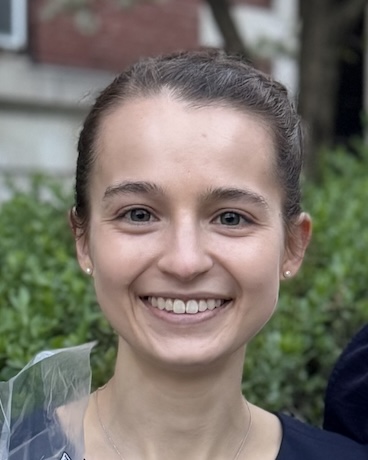
Sponsor: Dr. Bonnie BasslerAward Year Start: 2026
Current Title: Postdoctoral Fellow
Project Title: Cross-Domain Chemical Communication Drives Host-Virus Interactions
Viruses have immense potential to influence the fates of individual cells, multicellular communities, and entire organisms. Nonetheless, vast gaps exist in our understanding of the interactions between viruses and their host cells. Molly Sargen, Ph.D., is specifically fascinated by how some viruses can co-exist with their hosts even though the interests of a virus and a cell are usually incompatible. Her goal is to use models of bacteria and their viruses (phages) to define the principles that drive host-virus interactions, including how each entity manipulates the interaction to its own advantage.
As part of her Ph.D. research in Sophie Helaine’s lab at Harvard Medical School, she showed that phages that are embedded in Salmonella block other phages from infecting the same bacterium through defense mechanisms that they strategically avoid during their own replication. She found that phages also deploy these defense mechanisms to compete with other phages that inhabit the same host. Strikingly, these phage-phage interactions occur while Salmonella infects mammalian immune cells called macrophages and thereby can influence the outcome of Salmonella infections. Thus, Sargen showed how host-virus interactions have implications beyond one host cell and one virus.
Now as a Jane Coffin Childs Fellow in Bonnie Bassler’s lab at Princeton University, Sargen will investigate how phages eavesdrop on bacterial communication called quorum sensing to inform their behavior: namely, whether they stably replicate with the host or undergo lytic replication that kills the host. In particular, she is interested in uncovering the mechanisms by which different cues influence these divergent virus lifestyles. Sargen notes that beyond advancing our basic understanding of viral behavior, her discoveries have the potential to inform the development of biomedical therapies that use or control viruses.