
Awarded Organization: Harvard Medical School
Awarded Department: Department of Medicine
Sponsor: Dr. Stephen J. ElledgeAward Year Start: 2004
Current Organization: Academy Sinica
Current Department: Institute of Molecular Biology
Current Title: Associate Research Fellow
Project Title: Functional genomic approach for protein turnover regulation
Awarded Organization: Harvard Medical School
Awarded Department: Department of Cell Biology
Sponsor: Dr. Marc W KirschnerAward Year Start: 1994
Current Organization: UT Health San Antonio
Current Department: Department of Molecular Medicine
Current Title: Professor
Project Title: Cell cycle regulators of cyclin degradation
Awarded Organization: University of California, San Francisco
Awarded Department: Department of Cellular and Molecular Pharmacology
Sponsor: Dr. Ronald D. ValeAward Year Start: 2006
Current Organization: University of California, Berkeley
Current Department: Department of Physics and Molecular Cell Biology
Current Title: Professor
Project Title: Molecular engineering of kinesin motors
Awarded Organization: Harvard Medical School
Awarded Department: Department of Cell Biology
Sponsor: Dr. Thomas WalzAward Year Start: 2006
Current Organization: The University of British Columbia
Current Department: Department of Biochemistry and Molecular Biology
Current Title: Associate Professor
Project Title: Structural characterization of gene silencing complexes
University of California, San Francisco
Read more
Awarded Organization: University of California, San Francisco
Awarded Department: Department of Physiology
Sponsor: Dr. David JuliusAward Year Start: 2020
Current Organization: Eli Lilly and Company
Current Department: Structural Biology
Current Title: Scientific Lead
Project Title: Elucidating thermal gating mechanisms of an ion channel involved in pain
The ability to sense and respond to our external environment is a trait fundamental to the survival of all organisms. One such sense modality, the detection of noxious heat, is accomplished by way of transient receptor potential V1 (TRPV1) ion channels, integral membrane proteins that are also activated by capsaicin and other pungent vanilloid compounds from chili peppers. TRPV1 channels are expressed by afferent neurons of the sensory ganglia and, when exposed to noxious heat, undergo a conformational rearrangement that opens a non-selective pathway for cations across the cell membrane, triggering downstream signaling pathways. By employing a combination of cryo-electron microscopy and electrophysiological techniques, the long-term goal of my research is to define the molecular mechanisms that govern heat detection by TRPV1 and other related ion channels.
Awarded Organization: University of California, Berkeley
Awarded Department: Department of Molecular and Cell Biology
Sponsor: Dr. James Hurley & Roberto ZoncuAward Year Start: 2018
Current Organization: University of Missouri
Current Department: Department of Biochemistry
Current Title: Assistant Professor
Project Title: Mechanism of mTORC1 lysosomal recruitment via Rag:Ragulator
My current work focuses on understanding the molecular mechanism of mTORC1 activation and recruitment to the lysosome. Substrate phosphorylation by activated mTORC1 promotes cellular growth and inhibits catabolic pathways such as autophagy. The heptameric Rag:Ragulator complex in response to amino acids and growth factors binds and recruits mTORC1 to the lysosomal surface. Despite recent advancements in our understanding of the mTORC1 pathway, how this fundamental mTORC1:Rag:Ragulator complex forms is still poorly understood. Furthermore, a number of mutations have been identified within RagC for patients with follicular lymphoma which are thought to perturb this interaction hijacking the mTORC1 growth pathway. As a postdoctoral fellow in Hurley lab, my goal is to dissect the conformational states of mTORC1 throughout the activation pathway and capture the interaction with Rag:Ragulator
Awarded Organization: University of California, Berkeley
Awarded Department: Department of Molecular and Cell Biology
Sponsor: Dr. Jasper RineAward Year Start: 1998
Current Organization: Xcellerant Ventures
Current Title: Managing Director
Project Title: Identification and characterization of La protein homologues in Drosophila melanogaster and Saccharomyces cerevisiae: the yeast La protein functions in the tRNA processing
Awarded Organization: California Institute of Technology
Awarded Department: Division of Biology
Sponsor: Dr. Bruce A HayAward Year Start: 1999
Current Organization: Kyung Hee University
Current Department: Department of Biology
Project Title: Identifying regulators of cell death in Drosophila
Awarded Organization: University of California, Berkeley
Awarded Department: Department of Genetics, Genomics and Development
Sponsor: Dr. Rachel BremAward Year Start: 2009
Current Organization: Gilead Sciences
Current Department: Clinical Bioinformatics and Exploratory Analytics
Current Title: Director
Project Title: Genome-wide identification of regulatory non-coding RNAs in S. cerevisiae
The goal of my project is to perform a genome-wide identification of regulatory non-canonical transcripts in budding yeast, using natural genetic variation between outbred individuals. I received my BS and MS in chemistry from Seoul National University, Korea, and an MS in electrical engineering and PhD in chemistry from Stanford University.
My graduate research was on developing a novel mass spectrometer, called Hadamard Transform Time-of-Flight, which has higher spectral scan rate with applications in real-time solution kinetics.
For postdoctoral research, I have made a big switch to genetics and genomics, where I use next-generation sequencing to profile the 3’ UTRs of RNA. In the future, I hope to combine my interdisciplinary expertise to study the regulation of mRNA and protein post-processing, and the effects of their misregulation on human disease.  Outside of the lab, I like to play tennis and drink coffee.
Awarded Organization: University of Washington
Awarded Department: Department of Biochemistry
Sponsor: Dr. David BakerAward Year Start: 2007
Current Organization: Lawrence Berkeley National Laboratory, USDOE
Current Department: DNA Synthesis Science Program
Current Title: Staff Scientist
Project Title: Computational redesign of cytochrome P450 function and applications to synthetic biology
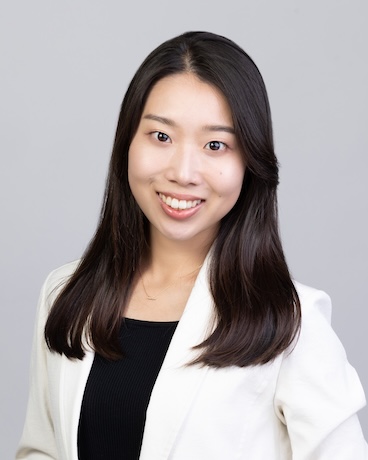
Awarded Organization: Stanford University
Awarded Department: Department of Biology
Sponsor: Dr. Liqun LuoAward Year Start: 2026
Current Title: Postdoctoral Fellow
Project Title: Respecifying connections of hypothalamic thirst and warmth circuits
Airi Yoshimoto, Ph.D. was influenced by her pharmacy training and a patient experience that showed her how early-life stress can affect brain development. Inspired by this experience, Yoshimoto focused her graduate work on how the brain controls body functions like heart rate. As a Jane Coffin Childs Fellow, she will study how hypothalamic circuits form during development and how they control basic needs such as thirst and temperature regulation.
During Yoshimoto’s thesis research in Yuji Ikegaya’s lab at The University of Tokyo she discovered the neural relay that allows voluntary control of one’s heart rate. Heart rate and other physiological parameters are usually controlled by the autonomic nervous system. However, specialized training such as for free diving or meditation can teach individuals to voluntarily regulate these parameters. Yoshimoto developed a rat model of heart rate biofeedback, and used her model to uncover how the signal traveled through anterior cingulate cortical neurons through several relay stations all the way to parasympathetic neurons in the heart.
Now in Liqun Luo’s lab at Stanford University, Yoshimoto will examine neurons in the hypothalamus that regulate homeostatic functions. Neurons that are thirst- and warmth-activated are anatomically intermingled in the hypothalamus, but are, by definition, triggered by different stimuli. Yoshimoto predicts that the presence of distinct surface adhesion proteins distinguishes these neural populations, and will build genetic mouse models to rewire hypothalamic circuits such that thirst will activate warmth-sensitive neurons. Yoshimoto’s research promises to provide novel insight into the molecular mechanisms that dictate hypothalamic circuit specificity.
Awarded Organization: Salk Institute for Biological Studies
Sponsor: Dr. Robert W HolleyAward Year Start: 1973
Project Title: Isolation of SV3Ts growth factors
Awarded Organization: Rockefeller University
Awarded Department: Department of Cellular Physiology and Immunology
Sponsor: Dr. Zanfil A. CohnAward Year Start: 1983
Project Title: Purification of cytotoxic proteins from lymphocytes
Awarded Organization: Rockefeller University
Awarded Department: Laboratory of Neurogenetics and Behavior
Sponsor: Dr. Leslie VosshallAward Year Start: 2015
Current Organization: Boston University
Current Department: Department of Biology
Current Title: Assistant Professor
Project Title: Processing human cues in the mosquito brain
Female mosquitoes require a blood-meal for reproduction, and show intense attraction to human hosts. They rely on host sensory cues, including carbon dioxide (CO2), and components of human body odor, such as lactic acid. These stimuli alone elicit little or no attraction, but in combination they synergize to trigger host-seeking behavior. After obtaining a blood-meal, female host-seeking behavior is switched off for several days. It is unknown where and how any human host cues such as, CO2 in breath, body odor, or body heat, are represented in the mosquito brain. It is also unknown how human host cues synergize to drive host attraction and ultimately trigger biting behavior, or how attraction is suppressed after a blood-meal. I will use two-photon excitation microscopy to measure activity in neural circuits in the mosquito brain to address these questions. This work will provide the first insights into how human cues are processed in the brain of the mosquito Aedes aegypti, which transmits Dengue Fever, Yellow Fever, and Chikungunya. The long-term aim of this research is to find novel approaches to intervene in mosquito biting behavior.
Awarded Organization: Harvard University
Awarded Department: The Biological Laboratories
Sponsor: Dr. Richard LosickAward Year Start: 1979
Current Title: Retired
Project Title: The cloning of B subtilis sporulation genes
Awarded Organization: University of California, San Francisco
Awarded Department: Department of Physiology
Sponsor: Dr. Loren FrankAward Year Start: 2011
Current Organization: University of Chicago
Current Department: Department of Psychology
Current Title: Assistant Professor
Project Title: Investigating the mechanism of memory recall
University of California, San Francisco
Read more
Awarded Organization: University of California, San Francisco
Awarded Department: Department of Cellular and Molecular Pharmacology
Sponsor: Dr. Ronald D. ValeAward Year Start: 2007
Current Organization: University of Vienna
Current Department: Department of Structural and Computational Biology
Current Title: Study Program Director
Project Title: Imaging molecular interactions upon ephrin-Eph receptor-mediated adhesion/repulsion responses in live cells
Awarded Organization: University of Oxford
Awarded Department: Dyson Perrins Laboratory
Sponsor: Dr. E. R. H. JonesAward Year Start: 1960
Current Organization: Western University
Project Title: Isotopic labelling of various organic substances
Awarded Organization: Stanford University
Awarded Department: Department of Chemistry
Sponsor: Dr. Edward I SolomonAward Year Start: 1993
Current Organization: University of Indiana Bloomington
Current Department: Department of Chemistry
Current Title: Professor
Project Title: Structure/function relationships in anticancer activity
Awarded Organization: University of California, San Francisco
Awarded Department: Department of Biochemistry and Biophysics
Sponsor: Dr. Keith YamamotoAward Year Start: 1982
Current Organization: University of Pennsylvania
Current Department: Department of Cell and Developmental Biology
Current Title: Professor
Project Title: Glucocorticoid-inducible DNase sensitivity
Awarded Organization: Duke University
Awarded Department: Department of Experimental Surgery
Sponsor: Dr. Bruce A. SullengerAward Year Start: 1996
Current Organization: Recludix Pharma
Current Title: Chief Scientific Officer
Project Title: In vivo specificity of ribozyme-mediated mRNA repair
Awarded Organization: University of California, Los Angeles
Awarded Department: Department of Biological Chemistry
Sponsor: Dr. S. Lawrence ZipurskyAward Year Start: 1993
Current Organization: Cambridge Cognition
Current Department: Clinical Affairs
Current Title: Director
Project Title: Role of MAP kinase (ERK) in signal transduction
University of Illinois at Urbana-Champaign
Read more
Awarded Organization: University of Illinois at Urbana-Champaign
Awarded Department: Department of Cell and Structural Biology
Sponsor: Dr. Phillip A. NewmarkAward Year Start: 2004
Current Organization: San Diego State University
Current Department: Department of Biology
Current Title: Associate Professor
Project Title: The molecular basis of neurogenesis in planarians
Awarded Organization: Brigham and Women's Hospital
Awarded Department: Department of Genetics
Sponsor: Dr. Mitzi KurodaAward Year Start: 2014
Current Organization: Cell Signaling Technology (CST)
Current Title: Senior Scientist
Project Title: Analysis of dosage compensation in Drosophila
I am interested in how binding of protein modifications contributes to the functions of chromatin complexes. Currently I am developing biochemical and proteomic methods to identify the histone modifications associated with malignant brain tumor (MBT) domain-containing proteins in human tissue culture cells and in fruit flies. The human and fly MBT-containing homologues participate in various aspects of Polycomb group silencing and tumor suppression. Since the MBT domain acts as a methyl lysine-binding module, it is likely that specific modification interactions together with protein interactions enable the localization of otherwise broadly pervasive MBT complexes to specific genomic regions. My graduate training in mass spectrometry complements my postdoctoral training in affinity pulldown of labile interactions with regard to uncovering these potential modification targets.
Awarded Organization: University of California, Berkeley
Awarded Department: Department of Plant and Microbial Biology
Sponsor: Dr. Daniel ZilbermanAward Year Start: 2008
Current Organization: Tel Aviv University
Current Department: School of Plant Sciences and Food Security
Current Title: Senior Lecturer
Project Title: Comparative genomic analysis of DNA methylation in animals
Awarded Organization: University of California, Los Angeles
Awarded Department: Department of Biological Chemistry
Sponsor: Dr. S. Lawrence ZipurskyAward Year Start: 2001
Project Title: Down syndrome cell adhesion molecule and repulsive axon guidance in Drosophila
Awarded Organization: Lawrence Berkeley National Laboratory
Awarded Department: Physical Sciences Division
Sponsor: Dr. Carlos BustamanteAward Year Start: 2004
Current Organization: Yale University School of Medicine
Current Department: Department of Cell Biology
Current Title: Professor
Project Title: Single-molecule study of chromatin remodeling
Awarded Organization: Stanford University
Awarded Department: Department of Developmental Biology and Genetics
Sponsor: Dr. Matthew P. ScottAward Year Start: 2005
Project Title: Vesicle trafficking in neural development
Awarded Organization: Massachusetts Institute of Technology
Awarded Department: Department of Biology
Sponsor: Dr. Leonard GuarenteAward Year Start: 1990
Current Organization: University of Texas at Dallas
Current Department: Department of Biological Sciences
Current Title: Professor
Project Title: Factors that regulate the activity of the transcriptional activator HAPI
Awarded Organization: New York Genome Center
Sponsor: Dr. Rahul SatijaAward Year Start: 2020
Current Organization: MD Anderson
Current Department: Department of Systems Biology
Current Title: Assistant Professor
Project Title: Functional interactions between the neuronal and immune cells
Awarded Organization: University of Illinois at Urbana-Champaign
Awarded Department: Department of Physics
Sponsor: Dr. Taekjip HaAward Year Start: 2013
Project Title: Determining the transition of genomic softness in the cancer progression
Resigned due to health reasons
Awarded Organization: Columbia University
Awarded Department: Department of Biochemistry and Molecular Biophysics
Sponsor: Dr. Charles Zuker & Tom ManiatisAward Year Start: 2014
Current Organization: University of Massachusetts Medical School
Current Department: Program in Molecular Medicine
Current Title: Assistant Professor
Project Title: Functional segregation of taste-responsive neurons
I am studying the function of the mammalian taste system, in particular the molecular identity and diversity of taste-responsive neurons.  The five basic taste qualities -sweet, sour, salty, bitter and umami, are detected on the tongue and palate epithelium by distinct classes of taste receptor cells (TRCs).  The geniculate ganglion is the first neural station between the tongue and the brain; our lab recently showed that ganglion neurons are also tuned to specific taste qualities.  My studies are aimed at understanding how TRC maintain the highly specific transfer of taste information between taste cells and the central nervous system, particularly given that TRCs turn over every few days.  I have optimized a number of approaches to perform single-cell RNA sequencing both in TRCs and ganglion neurons, and am characterizing and classifying taste neurons into distinct classes.  We hope to define molecular markers that will allow us to manipulate the connectivity, function and behavior of TRCs, and the taste system.
Awarded Organization: Rockefeller University
Awarded Department: Laboratory of Molecular Neurobiology and Biophysics
Sponsor: Dr. Roderick MacKinnonAward Year Start: 2018
Current Organization: University of Florida
Current Department: Department of Biochemistry and Molecular Biology
Current Title: Assistant Professor
Project Title: Mechanisms of ATP-sensitive potassium (KATP) channel gating
ATP-sensitive potassium channel (KATP) is an ion channel gated by ATP and ADP, and by doing so, it translates the metabolic state of a cell into electric signals. At molecular level, KATP is endowed with sensitivity to ATP and ADP through direct interactions with multiple binding sites. These binding sites are scattered across the entire KATP molecule, which is a tetramer of hetero-dimers that are composed of a type of inward rectifier potassium ion channel (Kir) and an ABC transporter (SUR).Previous studies have identified an inhibitory site on Kir that results in channel closure upon binding to ATP, and stimulatory sites on SUR that favor channel opening when occupied by either MgADP or MgATP. These observations pose a puzzle because in healthy cells ATP exists at millimolar concentrations whereas ADP is present only in the ten micromolar range. How then does KATP detect changes in ADP concentration when the background ATP concentration remains so high that ATP inhibition should dominate? To answer this question, we have to determine what the ATP and ADP affinities are at their respective sites and also understand how occupancy of these sites allosterically regulate the pore’s gate. Once this level of understanding is reached we can then try to predict the response of KATP to different metabolic states. Finally, we can integrate these responses into the broader signaling network that involves other closely related partners to describe the action of KATP at a systems biology level. My project in the MacKinnon lab aims to address this problem using a combination of electrophysiology and structural biology techniques.
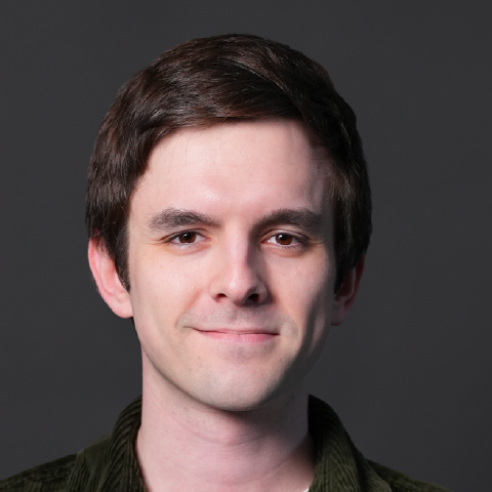
Awarded Organization: Gladstone Institutes
Awarded Department: Gladstone Institute of Virology
Advisor Name: Melanie OttAwarded Sponsor: Dr. Britt Koskella
Award Year Start: 2024
Current Title: Postdoctoral Fellow
Project Title: 1 in 10 people carry a cryptic RNA hitchhiker, what does it do?
The first century of molecular biology discoveries was enabled by the study of Nature’s original molecular biologists: viruses. Viruses and their simpler cousins, sub-viral RNAs are extremely well adapted to manipulate their host cell. By studying how these agents alter their host, scientists have been able to both understand the mechanisms of diseases as well as derive tools to fight them. Yet there is still much we don’t know about viruses, but even less-so about sub-viral RNAs. Obelisk RNAs are a recently discovered class of widespread sub-viral RNAs with small, structured genomes that seem to bear no resemblance to any known biological entity. The study of Obelisk biology then might reveal molecular mechanisms that have yet to be seen.
Dr. Ivan Zheludev will characterize a novel class of sub-viral RNAs, termed Obelisk RNAs, in Dr. Melanie Ott’s lab at the Gladstone Institute of Virology using a model Obelisk-host system based on a human oral bacterium. Using this system, Zheludev will probe how Obelisk RNA replicates and spreads between cells, the function of the Obelisk-encoded protein Oblin-1, and how Obelisk RNA impacts the host bacterium within complex microbial communities such as the human oral microbiome. Zheludev’s studies will provide foundational knowledge for understanding Obelisk RNAs and provide a general framework for investigating sub-viral RNAs.
Zheludev’s interest in sub-viral RNAs stems from his Ph.D. research in Dr. Andrew Fire’s lab at Stanford University. There, Zheludev created a bioinformatic discovery tool and used it to discover a new class of sub-viral RNAs that he named “Obelisk” RNAs. He demonstrated that Obelisk RNAs are widespread, with examples found on every continent, and that they are diverse, having identified roughly 30,000 distinct Obelisks. Further, they are also found in the microbiomes of between five to fifty percent of assayed human donors. Now in his postdoctoral research, Zheludev will investigate Obelisk molecular biology and their host interactions.
Awarded Organization: Boston Children's Hospital
Awarded Department: Department of Biological Chemistry and Molecular Pharmacology
Sponsor: Dr. Hao WuAward Year Start: 2022
Current Organization: Moderna
Current Title: Senior Technical Account Manager
Project Title: Deciphering and
Awarded Organization: Stanford University
Awarded Department: Department of Developmental Biology
Sponsor: Dr. Matthew P ScottAward Year Start: 1998
Current Organization: Natera
Current Title: Lead IP Counsel
Project Title: The roles of Costal2 in hedgehog signaling
Awarded Organization: Massachusetts Institute of Technology
Awarded Department: Center for Cancer Research
Sponsor: Dr. Phillip A . SharpAward Year Start: 1993
Current Organization: University of California, Berkeley
Current Department: Department of Molecular and Cell Biology
Current Title: Professor
Project Title: HIV-1 TAR-binding proteins in Tat trans-activation
Awarded Organization: University of California, Berkeley
Awarded Department: Department of Molecular and Cell Biology
Sponsor: Dr. Rebecca HealdAward Year Start: 2018
Current Organization: University of California, Berkeley
Current Department: Department of Molecular Biosciences
Current Title: Assistant Professor
Project Title: Uncovering molecular determinants of mitotic chromosome scaling
Our genomes are packaged into functional units of DNA called chromosomes, which are constantly being re-organized and re-shaped to match the demands of the cell. The most dramatic form of this reorganization happens as the cell prepares to divide: chromosomes are replicated, highly condensed, and aligned at center of the mitotic spindle, the complex protein-based machinery that physically separates exactly one copy of the genome to each daughter cell. Errors in this complex sequence of events can result in broken or rearranged chromosomes, known to be a significant source of mutations that drive the progression of many cancer types. A key factor in maintaining genome integrity during cell division is careful regulation of the length of the mitotic chromosome. In studies where chromosomes are artificially lengthened, the mitotic spindle fails at pulling the chromosomes apart, especially when certain cell cycle regulators are depleted. These results suggest that there are molecular pathways that can sense the physical dimensions of a chromosome and communicate this property to downstream regulators of the mitotic machinery. Yet, the exact dimensions being sensed and the molecules involved in this relay of information are still a mystery. Our goal is to identify the molecular pathways that sense, shape and re-enforce chromosome size during cell division. To do this, we will use the vertebrate model system Xenopus laevis, a powerful system for studying how physical dimensions of subcellular structures are determined during embryo development. Previous work from our lab has shown that mitotic chromosomes isolated from embryos in later stages of development are shorter compared to those isolated from early development. These results have provided a launching pad for our proposed work to now identify the molecular pathways that govern this change in size. We aim to (1) characterize how chromosomes are re-organized as they shrink, (2) find the molecules that contribute to these observed size changes and (3) implement the latest advances in imaging technology to test how changes in chromosome size affect embryo development. Because large-scale chromosome rearrangements are a driving force for many cancers, our findings will also provide a foundation for further research into how cancer cells hijack normal chromosome-size control pathways to continue growing and dividing. Also, since cellular behaviors during embryo development are very similar to those in a growing tumor, the tools we will develop to image chromosome dimensions in a growing embryo will greatly enhance our ability to visually assess large-scale chromosome rearrangements in cancer cells, both for research and diagnostics purposes.
Awarded Organization: Yale University
Awarded Department: Department of Immunobiology
Sponsor: Dr. Ruslan MedzhitovAward Year Start: 2014
Current Organization: Boston Children's Hospital
Current Department: Division of Gastroenterology, Hepatology and Nutrition
Current Title: Assistant Professor
Project Title: Counter-inflammatory mechanisms in tissue inflammation
Many human diseases are associated with aberrant inflammation. While the inflammatory response functions to protect an organism against harmful pathogens or to restore tissue homeostasis, excessive inflammation is known to alter tissue functions and damage host tissues. This phenomenon is termed immunopathology and is a major contributor to human morbidity. Therefore, limiting immunopathology is critical in many pathological scenarios. There are two potential means to control immunopathology: to act on immune cells to directly suppress the generation of inflammatory response (“anti-inflammatory” mechanisms), or to act on target tissues to reduce or reverse the deleterious effects caused by inflammation (“counter-inflammatory” mechanisms). A body of previous works has contributed to our knowledge of the anti-inflammatory mechanisms, but the counter-inflammatory mechanisms remain largely elusive. Currently, I am using cellular responses to inflammatory cytokines as the experimental system to identify the counter-inflammatory signals. Meanwhile, I am characterizing their potential mechanisms by taking advantage of the computational and systematic approaches.
Awarded Organization: Harvard University
Awarded Department: Department of Molecular and Cellular Biology
Sponsor: Dr. Rachelle GaudetAward Year Start: 2014
Current Organization: New York Structural Biology Center
Current Title: Scientist
Project Title: Noxious chemical sensing by the TRPA1 ion channel
I am using structural techniques to study pain transduction by transient receptor potential (TRP) ion channels. TRPs comprise a large family of pain sensors activated by diverse stimuli from noxious temperatures to small molecules. My work focuses on understanding the regulation of ion channel opening by such stimuli at the atomic level.
My interest in biochemistry was piqued after taking organic chemistry as an undergraduate at UC Berkeley. I followed my interest in molecular detail to graduate school where I discovered my love for protein structure. During my PhD work at MIT, my studies of the enzyme ribonucleotide reductase led to a thesis focused entirely on allosteric regulation. Since then, I have been intrigued by how proteins use allostery to perform remarkable structural transformations that affect function. TRP channels are master integrators of allosteric signals. They are an ideal system for studying complex allostery and an atomic level understanding of TRP channel activation will provide a foundation for understanding pain.
Awarded Organization: University of California, San Francisco
Awarded Department: Department of Microbiology and Immunology
Sponsor: Dr. Alexander JohnsonAward Year Start: 2016
Current Organization: BioMarin Pharmaceutical Inc.
Current Title: Scientist, Regulatory Research II
Project Title: Molecular analysis of bistability in a eukaryotic transcriptional network
Transcription circuits, defined as transcription regulators and the DNA cis-regulatory sequences they bind, control the expression of genes and define cellular identity. In eukaryotic cells, regulatory networks tend to be large, containing many highly interconnected transcription factors. Many of these complex networks are bistable, meaning they can toggle between two stable steady states. Bistable networks are responsible for such varied processes such as irreversible decisions during cell cycle progression, embryonic stem cell differentiation and oocyte maturation._x000D_
_x000D_
I study a bistable transcriptional network in the human commensal yeast Candida albicans that controls an epigenetic switch between two distinct cell types. This network shows many features of those in higher eukaryotes including the high degree of stability of each cell type. The goal of my research is to gain a molecular understanding of the functional differences between the multiple feedback loops present in bistable transcriptional circuits. This analysis will serve as a model for the general understanding of complex circuits.
Awarded Organization: Whitehead Institute
Sponsor: Dr. David SabatiniAward Year Start: 2009
Current Organization: University of California, Berkeley
Current Department: Department of Molecular and Cell Biology
Current Title: Professor
Project Title: Not just a recycle bin: the role of lysosomes in nutrient sensing by the mammalian target of rapamycin
I am studying the molecular mechanisms by which nutrients activate the mTOR kinase, a central regulator of the growth of cells and organisms.
I am a native of Italy, where I earned a BSc in biological sciences from the University of Pisa. I entered the PhD program at Yale to study how membranes are trafficked to and from the surface of the cell, and how these mechanisms contribute to the function of synapses and to neuronal transmission. To this end, I applied advanced live microscopy techniques such as total internal reflection (TIR).  During my PhD work, I became interested in the role of cellular membranes in propagating signals that originate at the cell surface, and how these processes become aberrant in cancer.  To pursue this direction I joined the laboratory of David Sabatini at the Whitehead Institute in 2008. Here, I am combining biochemical techniques with advanced microscopy to investigate how the lysosome, an organelle involved in the degradation and recycling of cellular components, participates in the activation of mTOR complex 1 (mTORC1). In my free time I enjoy running, martial arts, sailing on the Charles River and playing bass in a rock band.
Awarded Organization: Harvard University
Awarded Department: FAS Center for Systems Biology and Cell and Molecular Biology
Sponsor: Dr. Sharad RamanathanAward Year Start: 2010
Current Organization: Pennsylvania State University
Current Department: Department of Chemistry
Current Title: Assistant Research Professor
Project Title: Understanding decision-making during embryonic stem cell differentiation
I am using mouse embryonic stems cells to understand the sources of cell-to-cell variation during early development, and examining what these variations can tell us about mechanisms regulating early development.
I was first attracted to science by learning that the amazing diversity of life arose from the operation of a simple abstract principle ¬ó natural selection. At university, I turned towards physics, studying how diverse macroscopic physical phenomena (e.g. elasticity and electrodynamics), arising from distinct microscopic laws, can be described on the basis of similar abstract physical concepts. That idea, and the fact that we can extract basic properties of a physical system from apparently random fluctuations, guided my doctoral research.
My current research asks whether these ideas from physics can be useful to the study of biological processes. Consider the variable responses of cells in a culture dish when exposed to the same stimulus. Can we extract information about how cells make decisions by a careful analysis of this variability? Although the simplest cells are far more complex than any physical material, such questions are worth asking. Even if we cannot answer them, the inquiring may point towards some essential characteristics of biological processes.
Awarded Organization: Harvard Medical School
Awarded Department: Department of Cell Biology
Sponsor: Dr. Marc W. KirschnerAward Year Start: 1998
Current Organization: Phanes Therapeutics, Inc.
Current Title: Chief Scientific Officer
Project Title: Sister chromatid separation in vertebrate cells
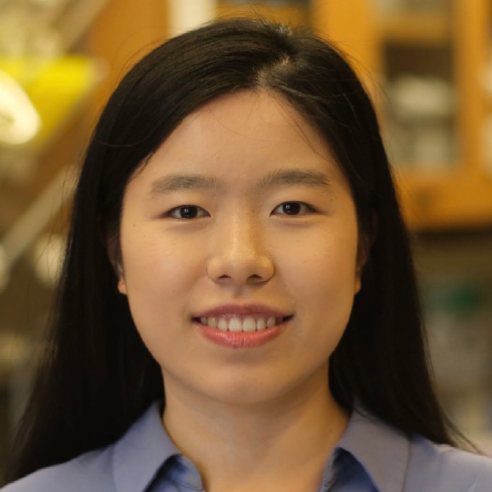
Awarded Organization: The University of Chicago
Awarded Department: Department of Chemistry
Sponsor: Dr. Chuan HeAward Year Start: 2024
Current Title: Postdoctoral Fellow
Project Title: Spatially resolved de novo single-cell translatomics to dissect translational control in cancer
Translation is a key step in gene regulation that dynamically responds to cell stress, signaling, and metabolic alterations. While there are techniques that allow for investigating transcription with single-cell resolution, similar tools for examining translation are lacking.
Dr. Zhuoning Zou will develop a method for analyzing translation in single cells from complex samples in Dr. Chuan He’s lab at the University of Chicago. Dr. Zou’s method will use in situ reverse transcription to develop a spatially resolved single-cell translatome profiling method. This method will enable measuring differences in translation between distinct types of cells in a heterogeneous mixture. For example, Zou will apply her method to patient biopsies and surgical colon cancer samples. In such samples this method will distinguish translation between different individual cancer cells as well other types of cells in the tumor microenvironment. This research will uncover the translation landscape in real human tissues, provide novel insights into translation regulation in the tumor microenvironment, and may reveal potential biomarkers for cancer prognosis and targets for future therapies.
Zou developed sensitive methods for monitoring translation and applied them to rare and heterogenous samples in Dr. Wei Xie’s lab at Tsinghua University. During her graduate studies she helped pilot a method that investigates translation of a single mouse oocyte. Zou then applied that method to human oocytes and early embryos to reveal novel and dynamic translational regulation in early embryogenesis. Now Zou will apply her expertise to examine translational regulation in cancer cells and other cells in the surrounding tumor microenvironment during her postdoctoral research.
Awarded Organization: University of California, Berkeley
Awarded Department: Department of Biochemistry
Sponsor: Dr. Gerald M. RubinAward Year Start: 1984
Current Organization: Columbia University
Current Department: Department of Biochemistry and Molecular Biophysics and Neuroscience
Current Title: Professor
Project Title: Isolation and structure of a rhodopsin gene from D. melanogaster
Awarded Organization: National Institutes of Health
Awarded Department: Laboratory of Immunology,
Sponsor: Dr. Michael J. LenardoAward Year Start: 1990
Current Organization: University of Toronto
Current Department: Department of Immunology
Current Title: Professor
Project Title: Thymic differentiation