
Awarded Organization: University College
Awarded Department: Department of Zoology
Sponsor: Dr. Martin C. RaffAward Year Start: 1978
Project Title: Schwann cells in peripheral nervous systems interactions
Awarded Organization: Rockefeller University
Awarded Department: Department of Biochemistry and Molecular Biology
Sponsor: Dr. Robert G. RoederAward Year Start: 1985
Current Organization: Columbia University
Current Department: Department of Biological Sciences
Current Title: Professor
Project Title: Growth factor regulation of transcription studied in vitro
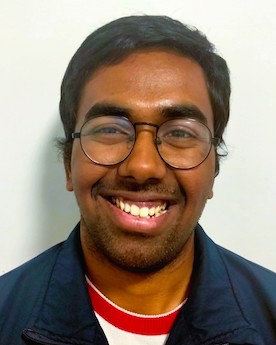
University of California, San Francisco
Read more
Awarded Organization: University of California, San Francisco
Awarded Department: Department of Physiology
Sponsor: Dr. Massimo ScanzianiAward Year Start: 2023
Current Title: Postdoctoral Fellow
Project Title: Transmission of visual information from the retina to the hippocampus
The hippocampus is a mental GPS that uses visual information to determine relative location. However, the neural pathways that convey visual information to the hippocampus are unknown. Dr. Chinmay Purandare will investigate this information transmission in Dr. Massimo Scanziani’s lab at the University of California, San Francisco. Dr. Purandare will use a novel set of visual cues, developed during his graduate studies, to directly activate hippocampal neurons and determine which visual brain regions are informing the hippocampus. Furthermore, Purandare would probe if the visual information conveyed is different depending on whether the subject is moving versus externally generated visual motion. Dr. Purandare’s research will further our understanding of circuit level connections between visual pathways and the hippocampus.
As a graduate student in Dr. Mayank Mehta’s lab at the University of California, Los Angeles, Purandare explored the minimal set of cues necessary for driving hippocampal responses. He developed novel visual stimuli and found that the hippocampus responds like sensory cortices when presented with these cues. This research led Dr. Purandare to the question of how these visual cues reach the hippocampus, which he will now explore in Dr. Scanziani’s lab.
University of California, Santa Cruz
Read more
Awarded Organization: University of California, Santa Cruz
Awarded Department: Department of Molecular, Cell and Developmental Biology
Sponsor: Dr. Manuel AresAward Year Start: 2018
Current Organization: CALeDNA
Current Title: Research Scientist
Project Title: The impact of RNA polymerase II pausing on co-transcriptional splicing
RNA polymerase II (RNAPII) kinetics are well-known to influence splicing patterns. Recent evidence has revealed that many introns are spliced right after they are transcribed, opening the potential for cross-regulation between these two key processes. During transcription, RNAPII pauses during initiation and during 3’ end processing, and these pauses are thought to allow the recruitment of necessary protein factors. Although more transient, RNAPII also pauses throughout elongation, however the significance of these pauses is unclear. Importantly, many of these pauses occur near the exon-intron boundaries._x000D_
_x000D_
I am working to uncover the mechanisms that govern co-transcriptional splicing decisions. I am investigating the impact of RNAPII pausing on changes in splicing patterns using a short artificial arrest sequence, which allows me to engineer RNAPII pauses in any location. This DNA element, combined with improved genome-wide approaches such as Single Molecule Intron Tracking (SMIT), will allow me to assess how RNAPII pauses impact splicing patterns in both yeast and human cells.
Awarded Organization: Scripps Research Institute
Awarded Department: Department of Molecular Biology
Sponsor: Dr. Peter E WrightAward Year Start: 1995
Current Organization: Northwestern University
Current Department: Department of Molecular Biosciences
Current Title: Professor
Project Title: NMR studies of the phosphoCREB-CBP interaction
Awarded Organization: University of Texas Southwestern
Awarded Department: Department of Molecular Genetics
Sponsor: Dr. Michael S Brown & Joseph L GoldsteinAward Year Start: 2003
Current Organization: UT Southwestern Medical Center
Current Department: Department of Molecular Genetics
Current Title: Professor
Project Title: Biophysical studies of SCAP, a cholesterol sensor
Awarded Organization: Harvard University
Awarded Department: The Biological Laboratories
Sponsor: Dr. Matthew MeselsonAward Year Start: 1971
Current Organization: Mediterranean Institute for Life Sciences
Current Title: Scientific Director
Project Title: DNA in genetic recombination
Boston Children's Hospital /
Harvard University Medical School
Awarded Organization: Boston Children's Hospital
Fellowship University: Harvard University Medical School
Awarded Department: Department of Pediatrics
Sponsor: Dr. Jonathan KaganAward Year Start: 2019
Current Organization: Boston Children's Hospital & Harvard Medical School
Current Department: Department of Pediatrics
Current Title: Postdoctoral Fellow
Project Title: Mechanisms of transport for bacterial molecules across phagosomal membranes
A cornerstone concept of mammalian innate immunity is that our cells can detect bacteria and subsequently produce appropriate antibacterial responses. Bacterial detection is achieved through the action of protein receptors, called pattern recognition receptors (PRRs), that sense conserved bacterial molecules, termed pathogen-associated molecular patterns (PAMPs). Since the cellular localization of PRRs varies (e.g., cell surface, phagosomal lumen, cytosol), PRR and PAMP co-compartmentalization is required for bacterial detection. It therefore stands to reason that only bacteria that escape phagosomal confinement should have the capacity to stimulate cytosol-localized PRRs. In contrast, bacteria that cannot damage phagosomes will be confined (along with their PAMPs) to the phagosomal lumen, where they are only sensed by phagosome-localized PRRs. Despite this rationale, bacteria that are unable to escape from the phagosome (which is true for most bacteria studied to date) are somehow detected by cytosolic PRRs. I am studying how cytosolic PRRs gain access to phagosomal PAMPs, how phagosomal dynamics influence detection, how bacteria manipulate host-derived processes, and the consequences of bacterial detection on innate control of infection.
Awarded Organization: Fred Hutchinson Cancer Center
Awarded Department: Division of Basic Sciences
Sponsor: Dr. Mark GroudineAward Year Start: 2001
Current Organization: Altius Institute for Biomedical Sciences
Current Title: Senior Scientist
Project Title: Chromatin conformation at the human beta-globin locus
Awarded Organization: Yale University
Awarded Department: Department of Pharmacology
Sponsor: Dr. R. E. HandschumacherAward Year Start: 1965
Current Organization: University of Toronto
Current Department: Department of Medicine and Pathobiology
Current Title: Professor Emeritus
Project Title: Regulation of purines and pyrimidines
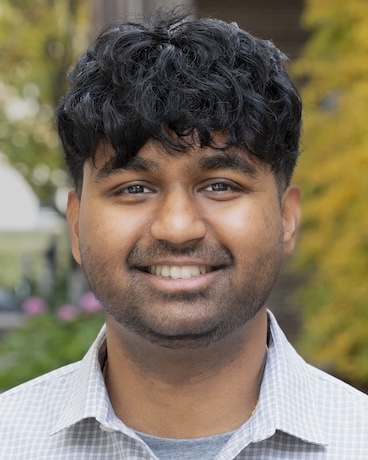
University of California, San Francisco
Read more
Awarded Organization: University of California, San Francisco
Awarded Department: Department of Microbiology and Immunology
Sponsor: Dr. Kole RoybalAward Year Start: 2026
Current Title: Postdoctoral Fellow
Project Title: Reprogramming STAT signaling using engineered fusion proteins to tune CAR T cell antitumor activity.
Rohith Rajasekaran, Ph.D., wants to study how naturally evolved molecular systems can be redesigned to program new cellular behaviors. Rajasekaran’s previous research repurposed a bacterial positioning system to turn mammalian cells into “two-way radios” that can send and receive biological information. Now, as a Robertson Foundation – Jane Coffin Childs Fellow, Rajasekaran will rewire T cell signaling in modular, tunable ways to improve their efficacy, durability, and safety in cancer immunotherapies.
Rajasekaran’s thesis research in Scott Coyle’s lab at the University of Wisconsin—Madison ported two bacterial proteins (MinD and MinE) into mammalian cells. MinD and MinE are normally involved in establishing bacterial polarity, but Rajasekaran repurposed them to control and pattern intracellular mammalian biology. He used them to track signaling (like kinase activity) and to organize processes such as condensate formation and actin filament growth. He also built genetic circuits that linked natural cellular processes to MinD/MinE signaling patterns, allowing those signaling “rhythms” (frequency and strength) to serve as a readout of cellular activity, revealing when genes turn on, how proteins are broken down, and how stem cells develop into different cell types.
In Kole Roybal’s lab at UCSF, Rajasekaran will apply similar ideas to chimeric antigen receptor (CAR) T cell therapies. CAR T cancer therapies have shown great promise yet are only effective for a subset of patients and have limited duration for responding patients. Rajasekaran will build on the Roybal Lab’s finding that oncogenic fusion genes enhance CAR T therapies, he will design synthetic fusion proteins that adjust the strength and timing of key signaling pathways in T cells. By linking signaling patterns to T cell behavior, he aims to create better, longer lasting, and safer CAR T therapies for more patients.
Awarded Organization: Stanford University
Awarded Department: Department of Biochemistry
Sponsor: Dr. David S. HognessAward Year Start: 1975
Project Title: Genetics of eukaryotic DNA
Awarded Organization: Harvard Medical School
Awarded Department: Department of Cell Biology
Sponsor: Dr. Marc W. KirschnerAward Year Start: 1995
Current Organization: Oklahoma Medical Research Foundation
Current Department: Cell Cycle and Cancer Biology Research Program
Current Title: Professor
Project Title: The surface contraction waves of Xenopus eggs reflect cell cycle state
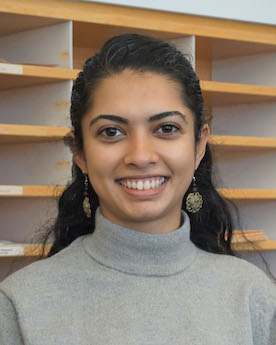
Awarded Organization: Broad Institute
Awarded Department: Department of Molecular Biology
Sponsor: Dr. Vamsi MoothaAward Year Start: 2023
Current Title: Postdoctoral Fellow
Project Title: Post-transcriptional regulation of mitochondrial biogenesis
Oxidative phosphorylation is a central metabolic pathway that occurs within mitochondria. Decline in oxidative phosphorylation capacity is observed during aging and in many diseases. Dr. Sahana Rao aims to investigate how a tumor suppressor gene also suppresses mitochondrial biogenesis. Dr. Rao will also use a genome-wide screen to identify novel regulators of mitochondrial biogenesis. Rao will conduct these studies in Dr. Vamsi Mootha’s lab at the Broad Institute. Collectively, these studies will provide insight into the regulation of mitochondrial biogenesis. They may also inform on mitochondrial dysregulation in aged or diseased states.
As a graduate student in Dr. Daniel Bachovchin’s lab at Memorial Sloan Kettering Cancer Center, Rao investigated inflammasomes – innate immune sensors that detect pathogenic signals and form large signaling complexes to alert immune cells. Dr. Rao’s studies elucidated molecular mechanisms of the activation of two inflammasome proteins, NLRP1 and CARD8, and established new tools to activate inflammasomes. With her extensive training as a chemical biologist, Rao will now study cellular metabolism and mitochondrial biogenesis in her postdoc.
Awarded Organization: Salk Institute for Biological Studies
Sponsor: Dr. Melvin CohnAward Year Start: 1973
Current Organization: Virogenics, Inc.
Current Title: President
Project Title: Generation of antibody diversity
University of California, Los Angeles
Read more
Awarded Organization: University of California, Los Angeles
Awarded Department: Department of Molecular, Cell and Developmental Biology,
Sponsor: Dr. Alvaro SagastiAward Year Start: 2013
Current Organization: University of Washington
Current Department: Department of Biology
Current Title: Associate Professor
Project Title: Interactions between sensory neurons and skin
My work in Alvaro Sagasti’s lab focuses on interactions between the epidermis and the axons of touch-sensing neurons. I am particularly interested in how the epidermis regulates axon repair following injury.
I grew up in Ithaca, NY and received my BS in Computational Biology from Brown University. During my graduate studies at University of Washington in Seattle, WA, I became interested in the remarkable and diverse behaviors of epithelial cells. For my thesis, I studied mechanisms of epithelial tube formation in C. elegans with Jim Priess at the Fred Hutchinson Cancer Research Center. The Priess lab was a great place to learn genetics and cell biology and I am currently applying this training to understand how our largest epithelial organ – the skin – regulates repair of the sensory nervous system. Outside of the lab, my wife and I enjoy exploring Los Angeles with our son.
Awarded Organization: University of Pennsylvania
Awarded Department: Department of Pathology
Sponsor: Dr. Jonathan SprentAward Year Start: 1982
Current Organization: University of California, Berkeley
Current Department: Department of Molecular and Cell Biology
Current Title: Professor
Project Title: Genetics restrictions in cytotoxic T cell induction
Massachusetts Institute of Technology
Read more
Awarded Organization: Massachusetts Institute of Technology
Awarded Department: Department of Chemical Engineering
Sponsor: Dr. Arup ChakrabortyAward Year Start: 2009
Current Organization: University of California, Irvine
Current Department: Department of Chemical and Biomolecular Engineering
Current Title: Assistant Professor
Project Title: Understanding the origin of immunodominance in mouse models and humans with diverse host genetics
T cells recognize diverse molecular signatures of pathogens on the surfaces of infected or antigen-presenting cells, but a significant immune response is mounted against just a few of these signatures during a typical infection. I’m using mathematical models and computer simulations to study the mechanisms of this phenomenon, termed “immunodominance,¬î and its implications for viral infections, vaccine design, and autoimmunity.
I earned BAs in chemistry and mathematics from the University of Colorado at Boulder in 2003 and a PhD in physical chemistry from the University of California at Berkeley in 2008. ¬†Before I began working in Arup Chakraborty’s group at MIT, I studied light harvesting by photosynthetic plants and bacteria in the laser spectroscopy lab of Graham Fleming at Berkeley. This work inspired my interest in using theoretical and computational modeling to gain mechanistic understanding of complex biological systems. When not pursuing interdisciplinary science, I like to cook, run, swim, and read historical biographies.
Awarded Organization: Massachusetts Institute of Technology
Awarded Department: Department of Biology
Sponsor: Dr. Dennis KimAward Year Start: 2005
Current Organization: Salk Institute for Biological Studies
Current Department: Molecular and Cell Biology Laboratory
Current Title: Senior Staff Scientist
Project Title: Genetic analysis of innate immunity in C. elegans
Awarded Organization: California Institute of Technology
Awarded Department: Division of Biology
Sponsor: Dr. Angelike StathopoulosAward Year Start: 2007
Current Organization: Texas A & M University
Current Department: Department of Chemical Engineering
Current Title: Associate Professor
Project Title: Spatial regulation of the NF-kappaB pathway in Drosophila embryogenesis
University of Geneva, Switzerland /
Harvard University Medical School
Awarded Organization: University of Geneva, Switzerland
Fellowship University: Harvard University Medical School
Awarded Department: Department of Molecular Biology
Award Year Start: 1972
Current Organization: University of California, San Francisco
Current Title: Professor Emeritus
Project Title:
University of Geneva /
Yale University
Awarded Organization: University of Geneva
Fellowship University: Yale University
Awarded Department: Institute of Molecular Biology
Sponsor: Dr. Harvey Eisen Paul Patterson & E. FurshpanAward Year Start: 1972
Current Organization: University of California, San Francisco
Current Title: Professor Emeritus
Project Title: Binding of bacteriophage lambda with host DNA
Massachusetts Institute of Technology /
Harvard University Medical School
Awarded Organization: Massachusetts Institute of Technology
Fellowship University: Harvard University Medical School
Awarded Department: Department of Biology
Sponsor: Dr. Herman Eisen & Claude A VilleeAward Year Start: 1974
Project Title: Fetal cell surface antigens of BALB/c mice
Dartmouth Medical School /
Dartmouth Medical School
Awarded Organization: Dartmouth Medical School
Fellowship University: Dartmouth Medical School
Awarded Department: Department of Biochemistry
Sponsor: Dr. Melvin V. SimpsonAward Year Start: 1964
Project Title: Mechanisms of RNA interaction in protein synthesis
University of California, San Francisco
Read more
Awarded Organization: University of California, San Francisco
Awarded Department: Department of Biochemistry and Biophysics
Sponsor: Dr. David A. AgardAward Year Start: 1990
Current Organization: Pfizer
Current Title: Senior Director
Project Title: Specificity and flexibility in a-lytic-protease
Awarded Organization: Harvard Medical School
Awarded Department: Department of Neurobiology
Sponsor: Dr. Bernardo SabatiniAward Year Start: 2017
Current Organization: Harvard University
Current Department: Department of Otolaryngology
Current Title: Assistant Professor
Project Title: The neural substrate of learned habits
Awarded Organization: University of California, San Francisco
Awarded Department: Department of Cellular and Molecular Pharmacology
Sponsor: Dr. Wendell LimAward Year Start: 2002
Current Organization: Institute of Enzymology
Current Department: Hungarian Academy of Sciences
Current Title: Scientific Advisor
Project Title: Structure of MAP-kinase signaling modules
Awarded Organization: New York University
Awarded Department: Department of Pathology
Sponsor: Dr. Claudio BasilicoAward Year Start: 1971
Project Title: Temperature-sensitive transformation mutant of SV40 virus
Awarded Organization: University of Seattle, Washington
Awarded Department: Department of Biochemistry
Sponsor: Dr. Edmond H FischerAward Year Start: 1992
Current Organization: Lifescience Dynamics Limited
Current Title: Chief Business Officer
Project Title: Cytoskeleton of phosphatase detransformed cells
Awarded Organization: Harvard Medical School
Awarded Department: Department of Medicine
Sponsor: Dr. Howard H. HiattAward Year Start: 1963
Current Organization: Weizmann Institute of Science
Current Department: Department of Molecular Genetics�
Current Title: Professor Emeritus�
Project Title: Nucleic acid chemistry
Awarded Organization: Rockefeller University
Awarded Department: Laboratory of Cell Biology
Sponsor: Dr. Gunther BlobelAward Year Start: 1993
Current Organization: University of California, Santa Cruz
Current Department: Department of Molecular, Cell and Developmental Biology
Current Title: Professor
Project Title: Molecular dissection of nuclear protein import
Weill Medical College of Cornell University
Read more
Awarded Organization: Weill Medical College of Cornell University
Awarded Department: Department of Physiology and Biophysics
Sponsor: Dr. Olga BoudkerAward Year Start: 2007
Current Organization: University of Bordeaux
Current Department: Laboratory of Fundamental Microbiology and Pathology
Current Title: Director of Research
Project Title: Conformational changes of the glutamate transporter accompanying the release of ligands to the cytoplasm
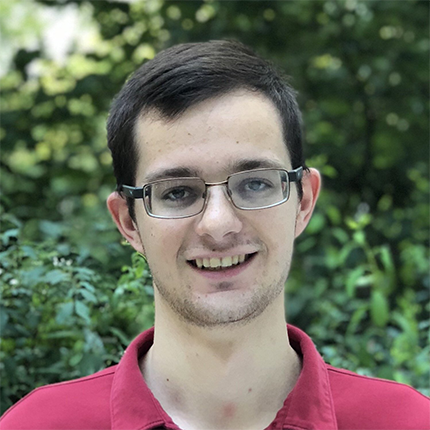
Awarded Organization: Washington University in St. Louis
Awarded Department: Department of Biochemistry and Molecular Biophysics
Sponsor: Dr. Rui ZhangAward Year Start: 2025
Current Title: Postdoctoral Fellow
Project Title: Structural mechanisms for higher-order microtubule assembly function in parasites
Dr. Matthew Reynolds is fascinated with the elegant structures of our cytoskeleton – a large network consisting of protein fibers and associated proteins that gives shape and structure to cells. During his thesis research he developed machine-learning based techniques to enable the structural determination of curved and bundled actin structures. In his fellowship, Reynolds will detail specialized cytoskeleton super-assemblies from parasitic cells.
During Reynolds’ thesis research in Dr. Greg Alushin’s lab at Rockefeller University, he made important contributions to processes involved in cryo-EM structure determination. Reynolds developed computational techniques that were crucial in reconstructing bent F-actin segments and bundled F-actin that help shape and move cells.
Now, in Dr. Rui Zhang’s lab at Washington University in St. Louis, Reynolds will apply his structural biology expertise to more complex cellular systems. He will continue to investigate the cytoskeleton and will use a combination of cryo-EM and cryo-electron tomography (cryo-ET) to examine microscopic single-cell organisms. These studies will provide mechanistic insights into the nanoscale protein-protein interactions that drive micron-scale cytoskeleton organization in single-celled parasites. His research will likely push forward technological development in structural determination via cryo-EM and cryo-ET. Reynolds anticipates that his findings will inform parasitic disease models and may reveal novel therapeutic targets.
Awarded Organization: Stanford University
Awarded Department: Department of Chemistry
Sponsor: Dr. Harden M McConnellAward Year Start: 1987
Current Organization: Segan Industries, Inc.
Current Title: President and CEO
Project Title: MCH-antigen complex and helper T-cell activation
Awarded Organization: Stanford University
Awarded Department: Department of Genetics
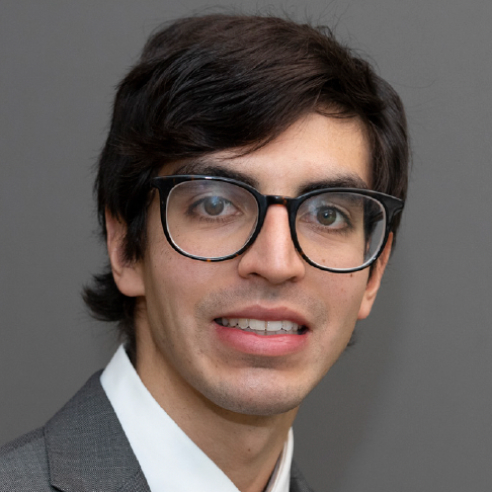
Sponsor: Dr. Anne BrunetAward Year Start: 2024
Current Title: Postdoctoral Fellow
Project Title: Decoding Aging Neurogenic Niches: Unraveling Somatic Mutations, Clonal Dynamics, and Functional Decline
Aging is associated with decreased cognitive ability and enhanced risk of developing neurodegenerative diseases such as Parkinson’s and Alzheimer’s. The declining function of neural stem cells (NSCs) is partially responsible for these trends in the aging brain. While much is known about the genetics of late-stage neurodegenerative diseases, relatively little is known about changes that lead to the decline in NSC function.
Dr. Daniel Richard will investigate the accumulation of somatic mutations in NSCs in Dr. Anne Brunet’s lab at Stanford University. He will examine how these mutations change NSC gene expression and neuron production. Additionally, Dr. Richard will explore strategies to genetically manipulate somatic mutations to potentially enhance NSC function. Richard’s studies will provide much-needed insight into fundamental NSC biology during aging and may reveal novel therapeutic strategies for neurodegenerative diseases and cognitive decline.
Richard’s interest in the link between genetic changes and aging emerged from his graduate studies in Dr. Terence Capellini’s lab at Harvard University. There, Richard focused on the genetic regulation of knee development. By comparing functional regulatory regions in human and mouse fetal limbs, Richard discovered mutations associated with an increased risk for osteoarthritis later in life. Now, Richard will shift his focus to aging-related biological changes in NSCs and neurodegenerative diseases during his postdoctoral research.
Pasadena Foundation for Medical Research
Read more
Awarded Organization: Pasadena Foundation for Medical Research
Sponsor: Dr. C.M. PomeratAward Year Start: 1960
Current Organization: Raigmore Hospital
Project Title: Tissue culture
Awarded Organization: University of Indiana
Awarded Department: Department of Chemistry
Sponsor: Dr. Felix HaurowitzAward Year Start: 1958
Current Organization: University of Ottawa
Current Department: Department of Pathology, Faculty of Medicine,
Current Title: Professor
Project Title: Immunological aspects of cancer
Awarded Organization: Harvard University
Awarded Department: Department of Biochemistry and Molecular Biology
Sponsor: Dr. Mark PtashneAward Year Start: 1989
Current Department: Oncology/Immun-oncology Drug Discovery
Project Title: Molecular mechanisms of TATA-independent gene transcription
Awarded Organization: Medical Research Council (MRC),UKRI
Awarded Department: Laboratory of Molecular Biology
Sponsor: Dr. John D Smith & Sydney BrennerAward Year Start: 1973
Project Title: Genetic analysis of developmental pathways in c. elegans
Awarded Organization: University of Basel
Awarded Department: Department of Biochemistry
Sponsor: Dr. Gottfried SchatzAward Year Start: 1980
Current Organization: University of Geneva
Current Department: Department of Biochemistry, Science II
Current Title: Group Leader
Project Title: Binding of precursors of cytoplasmically-synthesized mitochondrial proteins
Awarded Organization: Rockefeller University
Awarded Department: Department of Biochemical Genetics
Sponsor: Dr. Edward ReichAward Year Start: 1968
Current Organization: NYU Langone Health
Current Department: Department of Cell Biology
Current Title: Professor
Project Title: Nucleic and metabolism of the Rous sarcoma virus
Awarded Organization: University of California, Berkeley
Awarded Department: Department of Biochemistry
Sponsor: Dr. Gerald M. RubinAward Year Start: 1983
Current Organization: University of California, Berkeley
Current Department: Department of Molecular and Cell Biology
Current Title: Professor
Project Title: Regulation of Drosophila P element transposition and expression
Awarded Organization: Cold Spring Harbor Laboratory
Sponsor: Dr. Gregory J HannonAward Year Start: 2004
Current Organization: Cell Press
Current Department: Immunity
Current Title: Deputy Editor
Project Title: The biochemistry of RNAi in epigenetic regulation
University of Uppsala /
Dartmouth Medical School
Awarded Organization: University of Uppsala
Fellowship University: Dartmouth Medical School
Awarded Department: Department of Immunology
Sponsor: Dr. Hans Wigzell & Kendall A SmithAward Year Start: 1978
Project Title: Regulation of T-lymphocyte proliferation and differentiation
Awarded Organization: Whitehead Institute
Sponsor: Dr. Richard MulliganAward Year Start: 1985
Current Organization: University of Minnesota
Current Department: Department of Biochemistry, Molecular Biology and Biophysics
Current Title: Professor
Project Title: Identification of enhancer factors
Awarded Organization: California Institute of Technology
Awarded Department: Division of Biology
Sponsor: Dr. Elliot MeyerowitzAward Year Start: 1997
Current Organization: Cemvita Factory Inc.
Current Title: Computational Biologist
Project Title: Control of cell proliferation by CLV1
Awarded Organization: University of Basel
Awarded Department: Department of Chemistry
Sponsor: Dr. T. ReichsteinAward Year Start: 1961
Current Organization: Université de Montréal
Current Department: Department of Biochemistry
Current Title: Professor
Project Title: Biochemistry of steroid hormones
Awarded Organization: University of Washington
Awarded Department: Department of Microbiology
Sponsor: Dr. Eugene W. NesterAward Year Start: 1999
Current Organization: Bellevue Life Sciences Acquistion Corporation
Current Title: Director of Corporate Relations
Project Title: Agrobacterium infection of yeast
University of Illinois at Urbana-Champaign
Read more
Awarded Organization: University of Illinois at Urbana-Champaign
Awarded Department: Department of Cell and Developmental Biology
Sponsor: Dr. Phillip A. NewmarkAward Year Start: 2011
Current Organization: University of Georgia
Current Department: Department of Cellular Biology
Current Title: Assistant Professor
Project Title: Investigating mechanisms underlying nervous system regeneration in the planarian Schmidtea mediterranea
Awarded Organization: Columbia University
Awarded Department: Institute of Cancer Research
Sponsor: Dr. Richard AxelAward Year Start: 1979
Current Organization: University of Michigan
Current Department: Department of Human Genetics
Current Title: Retired- Professor Emerita
Project Title: DNA mediated gene transfer
Awarded Organization: Harvard Medical School
Awarded Department: Department of Biological Chemistry and Molecular Pharmacology
Sponsor: Dr. Christiopher T WalshAward Year Start: 2001
Current Organization: Macro Biologics
Current Department: Preclinical Development
Current Title: VP
Project Title: Function of condensation domains in peptide synthesis