
Awarded Organization: Memorial Sloan Kettering Cancer Center
Awarded Department: Department of Developmental Biology
Sponsor: Dr. Kathryn AndersonAward Year Start: 2004
Current Organization: University of California, San Francisco
Current Department: Department of Obstetrics, Gynecology and Reproductive Sciences
Current Title: Professor
Project Title: Genetic approaches to primordial germ cell migration
Awarded Organization: Brigham and Women's Hospital
Awarded Department: Department of Medicine
Advisor Name: Matthew WaldorAwarded Sponsor: Brigham and Women's Hospital
Award Year Start: 2007
Current Organization: Affini-T Therapeutics
Current Department: Pre-Clinical Development
Current Title: Vice-President
Project Title: Polarity and pathogenesis: identification and characterization of cell polarity determinants in Vibrio cholerae
Awarded Organization: Albert Einstein College of Medicine
Awarded Department: Department of Biochemistry
Sponsor: Dr. Julius MarmurAward Year Start: 1973
Project Title: Yeast mitochondrial nucleic acid metabolism
Awarded Organization: Columbia University
Awarded Department: Department of Microbiology Institute of Cancer Research
Sponsor: Dr. Aaron P. MitchellAward Year Start: 1996
Current Organization: Texas A & M University
Current Department: Department of Biology
Current Title: Senior Research Associate
Project Title: Meiotic DNA synthesis and control of meiosis in yeast
University of California, Berkeley
Read more
Awarded Organization: University of California, Berkeley
Awarded Department: Department of Molecular and Cell Biology
Sponsor: Dr. John KuriyanAward Year Start: 2004
Current Organization: Leiden University Medical Center
Current Department: Department of Cell and Chemical Biology
Current Title: Associate Professor
Project Title: DNA pol III holoenzyme structure determination
Awarded Organization: Stanford University
Awarded Department: Department of Biochemistry
Sponsor: Dr. Paul BergAward Year Start: 1974
Project Title: Isolation and characterization of integrated SV40 DNA
Awarded Organization: University of California, Berkeley
Awarded Department: Department of Biochemistry
Sponsor: Dr. Esmond E. SnellAward Year Start: 1969
Project Title: Structure and function of histidine decarboxylase
Stanford University
Read more
Awarded Organization: Stanford University
Awarded Department: Department of Neurobiology
Sponsor: Dr. Tirin MooreAward Year Start: 2026
Current Title: Postdoctoral Fellow
Project Title: Recurrent circuit dynamics underlying internally generated actions
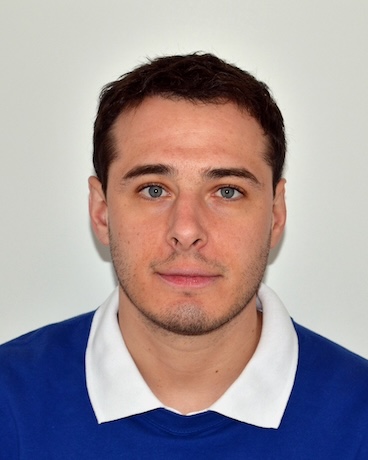
Francesco (Frank) Lanfranchi, Ph.D. is baffled by how little we truly understand about the neural mechanisms underlying behavior. As a Robertson Foundation – Jane Coffin Childs Fellow, Lanfranchi wants to help fill this knowledge gap by understanding the neural circuits that facilitate how internal goals are maintained and translated into action – one of the fundamental functions that neurological diseases disrupt.
During his graduate studies in Doris Tsao’s lab at UC Berkeley, Lanfranchi investigated how visual information is transformed into meaningful object representations across mammalian species. Lanfranchi studied how brains turn visual input into recognizable objects. Comparing macaques with tree shrews, he found that tree shrews can show primate-like abilities such as recognizing objects and faces. This suggests that “hierarchical” visual processing is conserved, but more compact, in the smaller tree shrew brain.
In Tirin Moore’s lab at Stanford University, Lanfranchi will study how the brain uses sensory information to guide actions—especially when sensory cues aren’t available. For example, you can still write your name with your eyes closed because the goal is internally maintained. He will map the circuits that support this kind of goal-directed behavior in macaques, with the hope that understanding these normal circuits will help explain why internally driven actions are especially affected in Parkinson’s disease.
Awarded Organization: Stanford University
Awarded Department: Department of Biological Sciences
Sponsor: Dr. Stephen M. BlockAward Year Start: 1999
Current Organization: Vanderbilt University
Current Department: Department of Chemical and Biomolecular Engineering
Current Title: Professor
Project Title: Micromechanics of kinesin movement
Awarded Organization: Medical Research Council (MRC),UKRI
Awarded Department: Laboratory of Molecular Biology
Sponsor: Dr. A Klug and H HuxleyAward Year Start: 1975
Current Organization: University of Michigan
Current Department: Department of Biophysics
Current Title: Professor Emeritus
Project Title: Localization of chemical sites in biological electron microscopy
Awarded Organization: Harvard Medical School
Awarded Department: Department of Biological Chemistry and Molecular Pharmacology
Sponsor: Dr. Stephen C HarrisonAward Year Start: 2003
Current Organization: Kestel Therapeutics
Current Department: Lead Discovery
Current Title: Senior Director
Project Title: Regulation of kinetochore assembly
University of California, San Francisco
Read more
Awarded Organization: University of California, San Francisco
Awarded Department: Department of Biochemistry and Biophysics
Sponsor: Dr. Marshall WallaceAward Year Start: 2020
Current Organization: Rensselaer Polytechnic Institute
Current Department: Department of Biological Sciences
Current Title: Assistant Professor
Project Title: Principles of cellular behavior: gait coordination in unicellular walker
I am interested in understanding how cells control shape and movement to thrive in different environments. Although often regarded as simple building blocks, single cells frequently execute surprisingly complex, even animal-like behaviors, which are necessary for proper cellular function. In cells, these behaviors emerge from the joint action of myriad molecular components and interactions between the cell and its environment. How this occurs is poorly understood. To better understand and predict cell behavior, I am working to uncover general principles by studying the coordination of walking in a unicellular organism, the ciliate Euplotes.
How can a single cell, lacking a nervous system, coordinate a gait? While unusual in some ways, Euplotes locomotion is amenable to rigorous behavioral analysis, and many underlying cellular processes and molecular components are deeply conserved among eukaryotes. My work combines theory from computer science and non-equilibrium statistical physics with quantitative microscopy experiments to uncover the mechanisms by which Euplotes coordinates its gait and will develop new theoretical and experimental tools for interrogating the control of complex cellular behaviors.
Awarded Organization: Cancer Research UK (CRUK)
Sponsor: Dr. Tomas LindahlAward Year Start: 1986
Current Organization: ALZFORUM
Current Title: Research and Development Consultant
Project Title: DNA ligase 1
Awarded Organization: Fred Hutchinson Cancer Center
Awarded Department: Department of Genetics
Sponsor: Dr. Harold WeintraubAward Year Start: 1983
Current Organization: Harvard Medical School
Current Department: Department of Biological Chemistry and Molecular Pharmacology
Current Title: Professor
Project Title: Fine mapping the hypersensitive sites in globin genes
Awarded Organization: Massachusetts Institute of Technology
Awarded Department: Department of Biology
Sponsor: Dr. Francis O. SchmittAward Year Start: 1950
Current Organization: University of California, Los Angeles
Current Department: Department of Surgery
Current Title: Professor Emeritus
Project Title: Cellular ultrastructure and function
Awarded Organization: University of Edinburgh
Awarded Department: Department of Molecular Biology
Sponsor: Dr. David FinneganAward Year Start: 1981
Project Title: Isolation of the gene polycomb of Drosophila
University of California, San Francisco
Read more
Awarded Organization: University of California, San Francisco
Awarded Department: Department of Biochemistry and Biophysics
Sponsor: Dr. Peter WalterAward Year Start: 1985
Current Organization: PATH MV
Current Title: Retired
Project Title: Structure/function analysis of the SRP receptor
University of California, San Francisco
Read more
Awarded Organization: University of California, San Francisco
Awarded Department: Department of Biochemistry and Biophysics
Sponsor: Dr. Peter Walter & R. Dyche MullinsAward Year Start: 2020
Current Organization: University of California, Los Angeles
Current Department: Department of Biological Chemistry
Current Title: Assistant Professor
Project Title: Dynamic control of the integrated stress response by elF2B
All cells and organisms mount stress response programs in response to external insults; some recover to baseline after stress, while others suffer from side-effects such as chronically altered proteomes that can reduce cellular and organismal fitness. I study the cellular machinery that executes the Integrative Stress Response (ISR), a highly conserved cellular program that rewires translation in the wake of stresses such as nutrient deprivation, viral infection, or redox imbalance. I seek to understand how the ISR machinery remains flexible enough to both respond to diverse stresses and return to baseline, and how dysregulation of the ISR leads to chronic inflammation and memory disorders in higher organisms. I am particularly excited to leverage recent advances in structural biology to go beyond a static understanding and toward uncovering dynamic conformational transitions in cellular ISR machinery that enable nuanced decision-making. To this end, I use hydrogen deuterium exchange, biochemical and cellular assays, and live imaging to study the key ISR actuator eIF2B both in vitro and in cells.
Awarded Organization: University of Cambridge, England
Awarded Department: Department of Biochemistry
Sponsor: Dr. Ernest D LaueAward Year Start: 1999
Current Organization: Dualitas Therapeutics
Current Title: Co-Founder and CSO
Project Title: Protein-protein interactions in cell cycle regulation
Awarded Organization: Boston Children's Hospital
Awarded Department: Immune Disease Institute/Program in Molecular and Cellular Medicine
Sponsor: Dr. Judy LiebermanAward Year Start: 2011
Current Organization: National University of Singapore
Current Department: Department of Pharmacology and Institute for Digital Medicine
Current Title: Assistant Professor
Project Title: The role of secreted microRNA's in breast cancer metastasis
Awarded Organization: Harvard University
Awarded Department: Department of Chemistry and Chemical Biology
Sponsor: Dr. Emily BalskusAward Year Start: 2020
Current Organization: Merck
Current Department: Medicinal Chemistry
Current Title: Senior Scientist
Project Title: Characterization of catechol dehydroxylases in the gut microbiome
Catechol dehydroxylation is a highly relevant metabolism in the human gut microbiota with a significant impact on human health. A wide range of neurotransmitters, dietary compounds, and drug molecules have been identified as substrates for this uniquely microbial transformation. However, the ability to predict and manipulate such an important process has been hindered by the limited understanding of enzymes that facilitate the transformation. The Balskus group recently identified dopamine dehydroxylase (Dadh) as the enzyme responsible for the conversion of dopamine to m-tyramine in the gut microbiota. Phylogenetic analysis showed that Dadh and its homologs form a unique DMSO-reductase subfamily. These proteins have not been characterized, and the mechanism has not been deciphered. Moreover, a survey of the human gut microbiome revealed a large number of molybdopterin-dependent enzymes with unknown chemical capability. The main focus of my work is to investigate human gut catechol dehydroxylases via a substrate-guided approach. This work will be accomplished by (1) deciphering the structure and mechanism of dopamine dehydroxylase, (2) biochemically characterizing and comparing reactivity of catechol dehydroxylase homologs, and (3) exploring additional molecular scaffolds that could be susceptible to dehydroxylation by unknown molybdopterin dehydroxylases.
Awarded Organization: Harvard Medical School
Awarded Department: Department of Neurobiology
Sponsor: Dr. David GintyAward Year Start: 2025
Current Title: Postdoctoral Fellow
Project Title: Organisational logic of the spino-parabrachial pathway for light touch
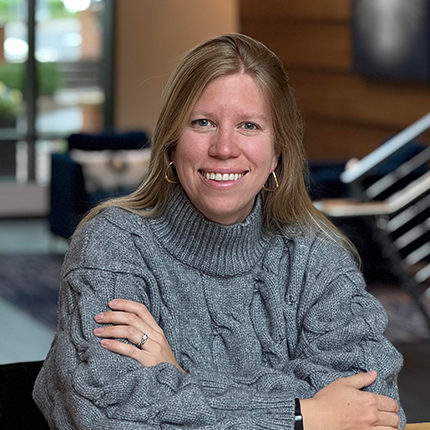
The way our brain senses a soothing touch differs from how it senses a painful one, but how these signals are processed are not well understood. Dr. Anna Lebedeva’s fellowship will leverage novel tools developed during her graduate work to answer this question in conscious, freely behaving mice.
Lebedeva developed her expertise in neuroscience and tool development in Dr. Kenneth Harris’s lab at University College London. There she helped develop Neuropixels 2.0, an implant that can steadily track brain activity in thousands of neurons for over two months. Importantly, this miniaturized implant does not constrain animal behavior, enabling measurements in conscious, freely moving mice and rats. Lebedeva then applied her new tool to uncover why mice make certain behavioral choices versus others that have a greater reward output.
During her postdoctoral research in Dr. David Ginty’s lab at Harvard, Dr. Lebedeva will apply Neuropixels 2.0 to understand how the brain processes signals resulting from touch. The brain region called the parabrachial nucleus (PBN) is thought to be important in this process, yet it is unknown how this information is filtered. Lebedeva will be able to monitor thousands of neurons in the PBN to decipher how touch is communicated in response to different stimuli such as light touch, pinching, and heating or cooling. This research will provide unprecedented detail into neural processing of the light touch pathway.
Awarded Organization: California Institute of Technology
Awarded Department: Department of Biology
Sponsor: Dr. David J. AndersonAward Year Start: 2002
Current Organization: Williams College
Current Department: Department of Neuroscience
Current Title: Associate Professor
Project Title: Role of Mrg receptors in perception of pain
Awarded Organization: Rockefeller University
Awarded Department: Department of Biological Chemistry and Molecular Pharmacology
Sponsor: Dr. Elaine FuchsAward Year Start: 2003
Current Organization: Duke University
Current Department: Department of Dermatology
Current Title: Professor
Project Title: E cadherin function in epidermal cell adhesion
Awarded Organization: Yale University
Fellowship University: Columbia University
Awarded Department: Department of Botany and Department of Zoology
Sponsor: Dr. E. L. Tatum and Francis J. RyanAward Year Start: 1946
Current Organization: Rockefeller University
Current Title: Professor Emeritus
Project Title: Genetic aspects of growth
Awarded Organization: University of Colorado, Boulder
Awarded Department: Department of Biochemistry
Sponsor: Dr. Aaron WhiteleyAward Year Start: 2021
Current Organization: University of Michigan
Current Department: Molecular Cellular and Developmental Biology
Current Title: Assistant Professor
Project Title: Activation and
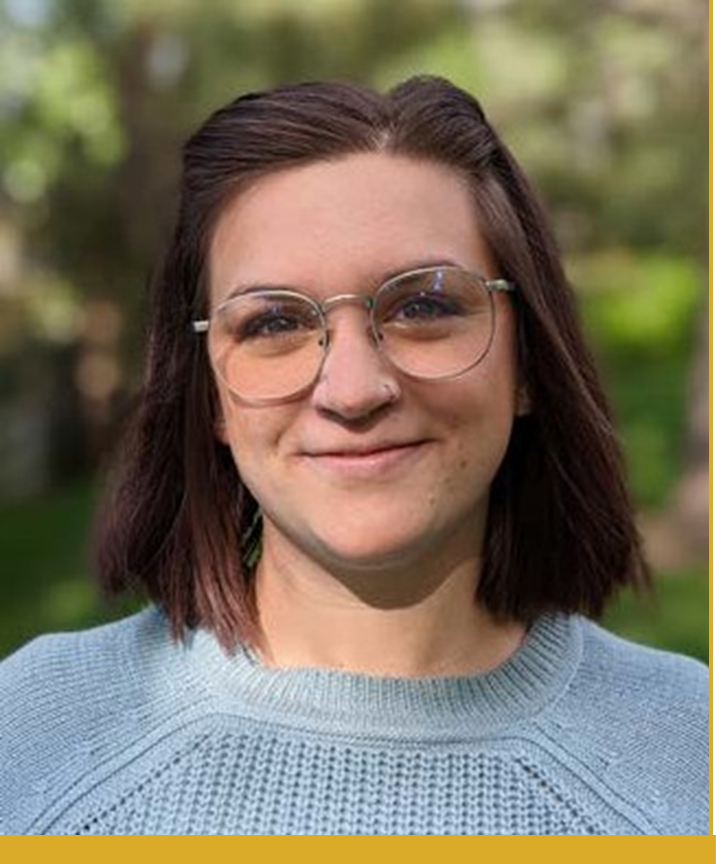
Antagonistic interactions are ubiquitous across life. From the conflict between a lion and its prey to the molecular battle between a virus and its host, life is filled with the competition to survive. This has led to the evolution of intricate mechanisms to mediate predatory prey interactions. At the cellular level this has led to the development of immune systems devoted to counteracting attacks and virulence factors dedicated to overcoming these defenses. Over the last several years it has become increasingly clear that bacteria, like humans, possess intricate immune systems to counteract the viruses that invade them, bacteriophages (phage). However, within nature, bacteria face a much wider range of threats than phage and predatory DNA elements. These include neighboring bacteria invading their niche, amoeba seeking out a meal, extracellular toxins, and predatory bacteria. This led us to hypothesize that the bacterial innate immune system has multiple branches capable of defending against this array of threats. But how do you identify a new immune pathway? At this conference, I will present my work developing a technique termed Exploring the Pangenome for Novel Defense (ExPND) which allowed me to uncover and characterize the first genetically encoded mechanism by which Escherichia coli can defend itself against predatory bacteria.
Through the work of numerous groups, it is now clear that the majority of phage defense
systems, the bacterial innate immune components we best understand, are encoded within mobile genetic elements. Therefore, to begin to survey for novel immune systems we obtained a collection of wild E. coli strains collected from natural sources across the globe and, importantly for my work, encodes a wide array of mobile genetic elements. To begin testing our hypothesis I focused on the predatory bacteria Bdellovibrio bacteriovorus. Predatory bacteria, such as Bdellovibrio, robustly and non-selectively prey on Gram-negative bacteria by invading into the periplasm of prey cells and catabolizing cellular components. To date, there are no known genetically encoded resistance mechanism against Bdellovibrio. However, most of the studies investigating this question were performed with lab adapted strains which notoriously lack defense systems. By challenging our E. coli collection with B. bacteriovorus I uncovered
numerous E. coli strains that are highly resistant to predation. Follow-up studies utilizing
transposon mutagenesis have allowed me to identify two mechanisms by which bacteria can
protect themselves including an elaborate extracellular structure that robustly blocks Bdellovibrio predation. By utilizing ExPND, my work sets the foundation for understanding the threats sensed by the bacterial innate immune system and provides a platform for uncovering novel mechanisms at the interface of predator-prey interactions.

Awarded Organization: Dana-Farber Cancer Institute
Awarded Department: Department of Pediatric Oncology
Sponsor: Dr. David Pellman & Johannes WalterAward Year Start: 2022
Current Organization: Dana-Farber Cancer Institute
Current Department: Department of Pediatric Oncology
Current Title: Scientist
Project Title: Damage control in response to unreplicated
Common fragile sites (CFSs) are hotspots for genomic rearrangements in cancers, but why and how these rearrangements occur is poorly understood. CFSs are characteristically difficult to replicate and often persist as under-replicated DNA into mitosis. Previous work from my host laboratories showed that stalled DNA replication forks are disassembled upon exposure to the mitotic kinase Cyclin B-CDK1. Unloading of the replisome leads to the formation of DNA breaks at the stalled forks followed by break-end ligation events. Coordinated DNA repair events at converging stalled forks in mitosis could lead to the formation of deletions and sister chromatid exchanges, both of which are signatures of CFS expression.
Recent studies have shown that CIP2A is a mitosis-specific repair factor that localizes to sites of DNA damage and replication stress. My aim is to investigate the role of CIP2A in cellular responses to unreplicated DNA in mitosis and how these processes contribute to genomic instability at CFSs. I will use the Xenopus egg extract system to uncover the biochemical mechanism of CIP2A function and conduct cell-based studies to observe the effects of CIP2A on genome stability.
Awarded Organization: University of Stockholm
Awarded Department: Laboratory of Physiological Chemistry
Sponsor: Dr. Lars ErnsterAward Year Start: 1963
Current Organization: Wayne State University School of Medicine
Current Department: Department of Biochemistry
Current Title: Distinguished Professor Emeritus
Project Title: Mechanism of energy conservation in mitochondria
Awarded Organization: Rockefeller University
Awarded Department: Laboratory of Molecular Neuroscience and Biophysics
Sponsor: Dr. Roderick MacKinnonAward Year Start: 2004
Current Organization: Duke University
Current Department: Department of Biochemistry
Current Title: Professor
Project Title: Structural study of toxin-VG k+ channel complex
Awarded Organization: University of Illinois at Urbana-Champaign
Awarded Department: Department of Physics
Sponsor: Dr. Taekjip HaAward Year Start: 2007
Current Organization: Gwangju Institute of Science and Technology
Current Department: Single Molecule and Cell Mechanobiology Laboratory
Current Title: Professor
Project Title: A single molecular study of the exosome to understand the RNA 3'-5" processing, degradation, and polymerization
UT Southwestern Medical Center /
University of Texas Southwestern Medical Center
Awarded Organization: UT Southwestern Medical Center
Fellowship University: University of Texas Southwestern Medical Center
Awarded Department: Department of Molecular Genetics
Sponsor: Dr. Russell DeBose-Boyd Elisabetta Ullu & Christian TschudiAward Year Start: 2008
Current Organization: 10x Genomics
Current Title: Senior Applied Bioinformatics Scientist
Project Title: Mechanism for translational regulation of HMG CoA reductase
I am trying to figure out what an Argonaut-like protein is doing in the mitochondrion of the sleeping sickness parasite, Trypanosoma brucei.
I did my graduate work at the Johns Hopkins School of Medicine, in the Department of Biological Chemistry, where I worked on trypanosome fatty acid synthesis.  Protozoan parasites that cause human disease—i.e. malaria, Chagas disease, leishmaniasis, and sleeping sickness—are not only relevant medically, but often have surprising and unusual biologies that fill pieces of the larger picture of our own evolution.  For example, GPI anchors were first discovered in T. brucei and have a specific role in parasite evasion of the host immune system.  Besides my fascination with the biology of the bizarre, I enjoy living in New Haven with my dog Jack.
Awarded Organization: Rockefeller University
Awarded Department: Laboratory of Molecular Neurobiology and Biophysics
Sponsor: Dr. Roderick MacKinnonAward Year Start: 2016
Current Organization: St. Jude Children's Research Hospital
Current Department: Department of Structural Biology
Current Title: Assistant Member
Project Title: Structural and mechanistic principles of the HCN pacemaker channel
University of California, San Francisco
Read more
Awarded Organization: University of California, San Francisco
Awarded Department: Department of Microbiology and Immunology
Sponsor: Dr. Harold E. VarmusAward Year Start: 1991
Current Organization: Harvard Medical School
Current Department: Department of Radiology
Current Title: Associate Professor
Project Title: Genetic screen to identify factors that interact with mRNA pseudoknot in -1 ribosomal frameshifting
Awarded Organization: Princeton University
Awarded Department: Department of Molecular Biology
Sponsor: Dr. Jeffry B StockAward Year Start: 1992
Current Organization: Rowan University
Current Department: School of Medicine
Project Title: Membrane targeting of ras proteins
Awarded Organization: Massachusetts General Hospital
Awarded Department: Department of Molecular Biology
Sponsor: Dr. Frederick M. AusebelAward Year Start: 2000
Project Title: Mechanisms of P aeruginosa toxin-mediated killing
Awarded Organization: Harvard Medical School
Awarded Department: Department of Microbiology and Molecular Genetics
Sponsor: Dr. Jonathan R. BeckwithAward Year Start: 1983
Current Title: Retired
Project Title: Protein secretion in E. coli
Awarded Organization: Harvard University
Awarded Department: Department of Biochemistry and Molecular Biology
Sponsor: Dr. Michael GreenAward Year Start: 1985
Current Organization: Hong Kong University of Science and Technology
Current Title: Professor
Project Title: Regulation of adenovirus pre-mRNA splicing
Awarded Organization: Harvard Medical School
Awarded Department: Department of Biological Chemistry
Sponsor: Dr. Charles ThomasAward Year Start: 1970
Project Title: Replication of viral DNA
Awarded Organization: Massachusetts Institute of Technology
Awarded Department: Department of Biology
Sponsor: Dr. Harvey LodishAward Year Start: 1980
Current Organization: University of Minnesota
Current Department: Plant and Microbial Biology
Current Title: Professor Emeritus
Project Title: Organization of repetitive DNA in Dictyostelium
Awarded Organization: Rockefeller University
Awarded Department: Laboratory of Genetics
Sponsor: Dr. H D RobertsonAward Year Start: 1974
Project Title: Double-stranded RNA
Awarded Organization: Harvard University
Awarded Department: Department of Biological Chemistry
Sponsor: Dr. Charles A Thomas Jr. and H DotyAward Year Start: 1974
Current Organization: Max Planck Institute for Molecular Genetics
Current Title: Professor Emeritus
Project Title: Organization of chromosomal DNA
Awarded Organization: University of Texas Southwestern
Awarded Department: Department of Molecular Genetics
Sponsor: Dr. Michael S. BrownAward Year Start: 1984
Current Organization: UT Southwestern Medical Center
Current Department: Department of Pharmacology
Current Title: Professor
Project Title: Processing of the low-density lipoprotein receptor
Awarded Organization: Johns Hopkins University
Awarded Department: Department of Biology
Sponsor: Dr. Victor G CorcesAward Year Start: 2004
Current Organization: NIH, National Institute of Diabetes and Kidney Diseases
Current Department: Laboratory of Biochemistry and Genetics
Current Title: Section Chief
Project Title: RNAi and gypsy insulator in chromatin organization
Awarded Organization: University of California, Berkeley
Awarded Department: Department of Molecular and Cell Biology and Helen Wills Neuroscience Institute
Sponsor: Dr. Kristin ScottAward Year Start: 2016
Current Organization: National Institute of Mental Health
Current Department: Department of Biological Sciences
Current Title: Assistant Professor
Project Title: Maturation of neural circuits for memory
Adult behavior is the product of neural circuits that are wired during development and modified by experience. However, the mechanisms by which neural activity in early development affects circuit maturation to shape behavior remain poorly understood. My research investigates how neural activity in circuits for memory matures and sculpts learned behaviors. Using in vivo calcium imaging, genetic techniques and behavioral analyses in the Drosophila model system, I am characterizing developmentally regulated spontaneous neural activity in brain regions critical for learned behaviors and investigating how this activity shapes mature learned behaviors. I aim to identify molecular changes that trigger the maturation of memory circuitry and behavior. This research will increase our understanding of a fundamental mechanism relevant for normal brain development and may provide insights for translational research into its pathological misregulation in disorders of the nervous system.
University of California, San Francisco
Read more
Awarded Organization: University of California, San Francisco
Awarded Department: Department of Physiology
Sponsor: Dr. David JuliusAward Year Start: 2014
Current Organization: University of California, Los Angeles
Current Department: Department of Integrative Biology and Physiology
Current Title: Assistant Professor
Project Title: Using unique crocodilian physiology to probe somatosensation
The somatosensory system transduces physical and chemical stimuli from the periphery to the CNS to mediate the senses of touch, temperature, proprioception, and pain. However, there is little information regarding the molecular signaling mechanisms of various mechanical stimuli. Activation of mechanosensitive fibers by injury represents a major source of pain, and thus a greater understanding of how these fibers are activated under normal (acute) and pathophysiological (chronic) pain states is an important goal at both basic and translational levels.
To address this important problem, I shall exploit an unconventional model system with exceptionally acute mechanosensation: the crocodilians, whose jaws are covered in discrete tactile receptors. Recent physiological work suggests the receptors mediate a sense of touch exceeding that of human fingertips, providing a high-resolution tactile portrait of surrounding environments. Following recent work in the sponsor’s lab identifying novel, highly-sensitive infrared (heat) ion channel subtypes in rattlesnakes and vampire bats, we propose to exploit state-of-the-art transcriptome profiling to uncover molecules that endow crocodilian sensory ganglia with exquisite mechanosensitivity. Identified molecules will be examined in more tractable genetic systems (e.g. mice) for further functional analyses, with the goal of uncovering molecular mechanosensory mechanisms in mammals under normal and/or pathophysiological pain states.
Massachusetts Institute of Technology
Read more
Awarded Organization: Massachusetts Institute of Technology
Awarded Department: Department of Biology
Sponsor: Dr. Angelika AmonAward Year Start: 2018
Current Organization: University of Helsinki and Karolinska Institutet
Current Department: Institute of Biotechnology
Current Title: Assistant Professor
Project Title: Implications of changes in cellular size on cell division and ageing
University of California, San Francisco
Read more
Awarded Organization: University of California, San Francisco
Awarded Department: Department of Cellular and Molecular Pharmacology
Sponsor: Dr. Jonathan WeissmanAward Year Start: 2013
Current Organization: Chan Zuckerberg Biohub
Current Department: Systems Biology
Current Title: Group Leader
Project Title: Understanding sphingolipid homeostasis in human cells: function and regulation of ORMDL proteins
Sphingolipids are essential membrane components and signaling messengers central to many cellular processes, in particular apoptosis. Consequently, sphingolipid levels are dysregulated in many diseases, in particular cancer. However, how cells sense and regulate their sphingolipid content is still poorly understood. The ORM membrane protein family, conserved from yeast to humans, is a key sphingolipid homeostatic sensor: the Weissman laboratory established that ORM proteins mediate a feedback response between cellular needs and de novo sphingolipid biosynthesis. While the molecular details of this response have been elucidated in yeast, how sphingolipids regulate the function of the mammalian orthologs (ORMDL) is completely unresolved. I propose to use a combination of biochemical and cellular biological approaches, together with a transformative genetic interaction mapping strategy, to characterize the mechanisms linking ORMDL function to sphingolipid homeostasis in human cells. Combining the expertise of our laboratory with my own background in membrane protein biochemistry, I will elucidate how the functional properties of ORMDL are modified by specific sphingolipid species and how ORMDL activity in turn modulates sphingolipid biosynthesis. My results will give substantial insights into the mechanism of sphingolipid homeostasis in humans and could open the way for new strategies for the therapeutic tuning of sphingolipid metabolism.
Awarded Organization: University of California, Berkeley
Awarded Department: Department of Physical Biosciences
Sponsor: Dr. Eva NogalesAward Year Start: 2001
Current Organization: Weill Cornell Medicine
Current Department: Department of Biochemistry and Biophysics
Current Title: Professor
Project Title: Structural studies of human chromatin remolding complex
Princeton University /
University of Texas Health Sciences Center
Awarded Organization: Princeton University
Fellowship University: University of Texas Health Sciences Center
Awarded Department: Department of Molecular Biology
Sponsor: Dr. S. Tilghman and S. WassermanAward Year Start: 1986
Current Organization: University of Utah
Current Department: Neuroscience Program
Current Title: Professor
Project Title: Phenotypic cloning of PC13 differentiation genes

Awarded Organization: University of California, San Francisco
Awarded Department: Department of Physiology
Sponsor: Dr. Massimo ScanzianiAward Year Start: 2025
Current Title: Postdoctoral Fellow
Project Title: Neuronal mechanisms of simulations in the brain of sleeping mice
Dr. Amir Levi is interested in understanding the neural mechanisms underlying complex behavior. In his thesis research, Levi used innovative techniques to make keen insights into how we learn. In his fellowship, Levi’s research will provide important insight into how our brains generate “internal models”—mental simulations that allow us to predict and control movements and adapt to changing environments.
During his graduate research in Dr. Eran Stark’s lab at Tel Aviv University, Levi focused on neural mechanisms of learning. Learning is frequently understood as the brain adapting to external cues, yet Levi’s approach involved direct manipulation of neuronal networks and subsequent assessment of behavioral performance. Levi created a visual test where mice choose between two options, and found that they can learn the task in just one session, depending on their past experience and how hard the rule is. He also demonstrated how specific brain circuits can transmit neuronal signals with remarkable accuracy and precision, highlighting the brain’s ability to maintain and even enhance signal integrity during processing. His work suggests that using brain activity to guide learning may help us understand how brain signals lead to behavior.
Now in Dr. Massimo Scanziani’s lab at UC San Francisco, Levi will dissect the neural mechanisms involved in generating internal models. Normally, these internal simulations occur together with actual physical movement, making it challenging to study prediction separately from action. Levi will overcome this limitation by studying mice while they sleep. During sleep, internal models are still generated, but no physical movement occurs. Thus, Levi’s clever approach will enable him to tease apart the neural mechanisms for these distinct functions. His research will help us understand how the brain anticipates events, coordinates movements, and processes experiences during dreams.
Awarded Organization: University of Oxford
Awarded Department: Department of Biochemistry
Sponsor: Dr. K. BurtonAward Year Start: 1959
Current Organization: University of Tennessee, Knoxville
Current Department: Department of Biochemistry
Project Title: Increase our understanding of cell growth, development, and differentiation