
Awarded Organization: Columbia University
Awarded Department: Institute of Cancer Research
Sponsor: Dr. Richard AxelAward Year Start: 1984
Current Organization: University of California, San Francisco
Current Department: Department of Physiology
Current Title: Professor
Project Title: Approaches to isolating a gene encoding a mammalian serotonin receptor
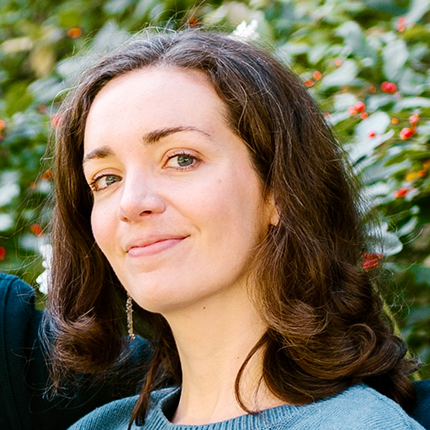
Awarded Organization: Yale University
Awarded Department: Department of Immunobiology
Sponsor: Dr. Ruslan MedzhitovAward Year Start: 2025
Current Title: Postdoctoral Fellow
Project Title: Uncovering the principles of immune sensing within the central nervous system
Dr. Madeleine Junkins is intrigued by brain-body interactions and how this relationship enables complex behaviors and functions. During her graduate research she investigated thirst suppression in ground squirrels, a hibernating species that can forgo water for months. During her fellowship, Junkins will interrogate collaborative immune-neural responses to illness.
During her thesis research in Dr. Elena Gracheva’s lab at Yale University, Junkins demonstrated that a specialized subset of neurons are activated at low temperatures during hibernation and promotes the release of a hormone that tells the body to hold onto water. Additionally, she found that thirst-sensing neurons in specialized brain areas called the circumventricular organs are functionally suppressed during hibernation. Collectively, Junkins’ research provided a major leap forward for understanding the neural regulation of thirst suppression during hibernation.
As a postdoc in Dr. Ruslan Medzhitov’s lab at Yale, Dr. Junkins will now study how our immune and neural systems collaborate to engage defenses when we’re sick. She will uncover the molecular and cellular components that transform inflammatory signals into neural activity. By manipulating the communication between the immune and neural systems during inflammation, Junkins will provide insight into how these two major body systems interact. This understanding could lead to the identification of novel therapeutic targets for neuroimmune disorders.
Awarded Organization: Yale University
Awarded Department: Department of Cell Biology
Sponsor: Dr. Peter NovickAward Year Start: 1987
Current Organization: FreeThink Technologies, Inc
Current Title: Chief Science Officer
Project Title: Role of a Ras-like protein in yeast secretion
National Jewish Center for Immunology and Respiratory Medicine
Read more
Awarded Organization: National Jewish Center for Immunology and Respiratory Medicine
Awarded Department: Department of Medicine
Sponsor: Dr. Gordon M KellerAward Year Start: 1994
Current Organization: Essotto Court Software
Current Title: Owner
Project Title: Role of c-rel in development and oncogenesis
Awarded Organization: Harvard University
Awarded Department: The Biological Laboratories
Sponsor: Dr. Matthew MeselsonAward Year Start: 1966
Project Title: Structure of ribosomes

Awarded Organization: University of Washington
Awarded Department: Department of Microbiology
Sponsor: Dr. Alexander MeeskeAward Year Start: 2025
Current Title: Postdoctoral Fellow
Project Title: Investigation of immune systems in multicellular bacteria
Dr. Shoshanna Kahne is interested in bacterial pathways and determining how they change in response to their environment. From Mycobacterium tuberculosis to cyanobacteria, Kahne’s research is creating powerful insights with implications ranging from human disease to environmental impacts.
Kahne’s Ph.D. research in Dr. Heran Darwin’s lab at NYU focused on how proteins are marked for breakdown in the bacteria that causes tuberculosis, Mycobacterium tuberculosis. Kahne discovered a protein that regulates marking an important vitamin-making enzyme for degradation in response to the abundance of the vitamin it helps synthesize. Her findings could help identify new ways to treat this deadly disease.
Now, in Dr. Alex Meeske’s lab at the University of Washington, Kahne will study how cyanobacteria defend themselves against infection by viruses. She is investigating species in the order Nostocales and has identified numerous and diverse potential defense systems in their genomes.
Kahne will test Nostocales hosts against diverse viruses to characterize how they succeed or fail to prevent infection. This work may reveal strategies to harness useful qualities of Nostocales, such as their abilities to fix atmospheric carbon and nitrogen, as well as combat their toxic overgrowths which can poison plants, animals, and humans.
Awarded Organization: Stanford University
Awarded Department: Department of Genetics
Sponsor: Dr. Michael Bassik and Tony Wyss-CorayAward Year Start: 2018
Current Organization: University of California, San Francisco
Current Department: Department of Anatomy
Current Title: Assistant Professor
Project Title: Mechanistic dissection of mTOR and autophagy gene function in phagocytosis
Awarded Organization: Cancer Research UK (CRUK)
Awarded Department: Department of Cell Regulation
Sponsor: Dr. Renato DulbeccoAward Year Start: 1974
Project Title: Transformation of human diploid fibroblasts by chemical carcinogens
Awarded Organization: University of California, San Francisco
Awarded Department: Department of Cellular and Molecular Pharmacology
Sponsor: Dr. Jonathan WeissmanAward Year Start: 2010
Current Organization: University of California, San Francisco
Current Department: Sandler Neurosciences Center
Current Title: Professor
Project Title: Genetic interaction mapping and mechanisms of human host cell pathways exploited by endoplasmic reticulum-trafficking toxins, with a focus on retrotranslation
Awarded Organization: Yale University
Awarded Department: Department of Molecular Biophysics and Biochemistry
Sponsor: Dr. Thomas A. SteitzAward Year Start: 1996
Current Organization: Pacific Biosciences
Current Title: Vice President
Project Title: Crystallographic studies of DNA-resolvase complexes
Awarded Organization: University of California, Berkeley
Awarded Department: Department of Molecular and Cell Biology
Sponsor: Dr. Nicholas R. CozzarelliAward Year Start: 1990
Current Organization: Erasmus MC
Current Department: Department of Molecular Radiation Biology
Current Title: Professor
Project Title: Development of a cell-free general recombination system
Brigham and Women's Hospital and /
Harvard University Medical School
Awarded Organization: Brigham and Women's Hospital and
Fellowship University: Harvard University Medical School
Awarded Department: Department of Medicine
Sponsor: Dr. Stephen J. ElledgeAward Year Start: 2011
Current Organization: Seoul National University Biological Sciences
Current Department: Laboratory of Stress Response and Aging
Current Title: Associate Professor
Project Title: Elucidation of senescence regulatory networks using unbiased genetic screens
La Jolla Institute for Allergy and Immunology
Read more
Awarded Organization: La Jolla Institute for Allergy and Immunology
Awarded Department: Laboratory of Signaling and Gene Expression
Sponsor: Dr. Anjana RaoAward Year Start: 2012
Current Organization: C&C Research Laboratories
Current Department: Discovery Research I
Current Title: Principal Research Scientist
Project Title: The roles of TETs in pluripotency and early embryogenesis
Awarded Organization: Harvard University
Awarded Department: Department of Organismic and Evolutionary Biology
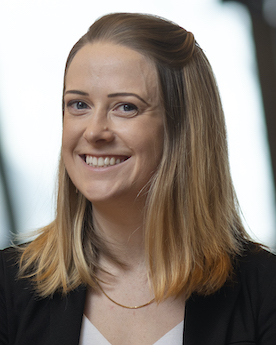
Sponsor: Dr. Mansi SrivastavaAward Year Start: 2023
Current Organization: University of Toronto
Current Title: Postdoctoral Fellow
Project Title: How to build (and rebuild) an animal
Many animals are capable of whole-body regeneration, enabling the regrowth of missing structures to their original size and shape after major amputation. Most studies investigating this phenomenon have focused on the transcriptional control of differentiation from adult pluripotent stem cells. However, Dr. Allison Kann predicts that an important, yet underappreciated, aspect of regeneration is the role of cell adhesion. Regeneration from stem cells requires free progenitor cells to unite and integrate into multicellular tissues and organs. Dr. Kann will use Hofstenia miamia, a genetically tractable invertebrate model system to investigate the disassembly, formation, and remodeling of cellular junctions during regeneration. Kann will conduct these studies in Dr. Mansi Srivastava’s lab at Harvard University. These studies will reveal new principles of regeneration and identify mechanisms that cells use to converge into multicellular structures.
As a graduate student in Dr. Robert Krauss’ lab at Icahn School of Medicine at Mount Sinai, Kann investigated the activation of muscle stem cells. She identified that cytoskeletal regulation is a key driver of muscle stem cell fate decisions and demonstrated how stem cells transduce injury signals into activation. With her background in adult stem cell biology, Dr. Kann is now ready to investigate how cellular interactions between progenitor cells regulate organismal regeneration.
Awarded Organization: Harvard University
Awarded Department: Department of Molecular and Cellular Biology
Sponsor: Dr. Catherine DulacAward Year Start: 2020
Current Organization: Harvard University
Current Department: Department of Molecular and Cellular Biology
Current Title: Postdoctoral Fellow
Project Title: Functional development of social behavior circuits
Mammalian social behaviors change dramatically over the lifespan: infants rely on their mothers for food and warmth, adolescents engage each other in social play, and adults mate and parent. This highly conserved social niche trajectory consists of dynamic motivational drives and behavioral repertoires and co-occurs alongside rapid changes in brain organization. However, it remains unclear how developmental changes in behavior result from transformations of the underlying brain circuits.
As a postdoctoral fellow in Catherine Dulac’s lab, I am dissecting these developmental transitions in mammalian brain and behavior. Focusing on the mouse hypothalamus, I am charting the coordinated emergence of transcriptional cell-type identities, spontaneous and stimulus-evoked neuronal activity patterns, and corresponding changes in behavior. Further, I am exploring the robustness and plasticity of these trajectories by manipulating the animal’s sensory and social rearing environment. This work will provide novel insights into the developmental processes that build animal behavior.
Awarded Organization: Stanford University
Awarded Department: Department of Biochemistry
Sponsor: Dr. A Dale KaiserAward Year Start: 1986
Current Organization: University of Texas Health Science Center at Houston
Current Department: Department of Microbiology and Molecular Genetics
Current Title: Associate Professor
Project Title: Developmental regulation of an A-factor-dependent gene in Myxococcus
Awarded Organization: Massachusetts Institute of Technology
Awarded Department: Department of Biology
Sponsor: Dr. H. Robert HorvitzAward Year Start: 1989
Current Organization: Massachusetts General Hospital
Current Department: Department of Molecular Biology
Current Title: Professor
Project Title: Mechanosensory cell function in C. elegans
Awarded Organization: MD Anderson Cancer Center
Awarded Department: Department of Genomic Medicine
Sponsor: Dr. Ronald DePinhoAward Year Start: 2013
Current Organization: Systimmune
Current Department: Business Development
Current Title: Vice President and Head
Project Title: Delineate mechanisms of oncogenic KRAS independent effector pathways of pancreatic cancer
Awarded Organization: University of California, San Diego
Awarded Department: Department of Cellular and Molecular Medicine
Sponsor: Dr. Samara Reck-PetersonAward Year Start: 2020
Current Organization: Vanderbilt University
Current Department: Department of Biological Sciences
Current Title: Assistant Professor of Biological Sciences
Project Title: Cellular regulation of cargo motility
Awarded Organization: Medical Research Council (MRC),UKRI
Sponsor: Dr. C. P. RhoadsAward Year Start: 1946
Current Organization: Memorial Sloan Kettering
Project Title: Cancer chemotherapy
Awarded Organization: University of Cambridge, England
Awarded Department: Department of Genetics
Sponsor: Dr. Michael AshburnerAward Year Start: 1978
Project Title: Molecular cloning of the Adh locus of D. melanogaster
Awarded Organization: University of California, San Francisco
Awarded Department: Department of Biochemistry and Biophysics
Sponsor: Dr. Bruce M. AlbertsAward Year Start: 1981
Current Organization: Arizona State University
Current Department: Biosciences
Current Title: Ast Dir Ops and Research Assistant Professor
Project Title: Organization of the cell cytoplasm
Awarded Organization: Indiana University
Awarded Department: Department of Zoology
Sponsor: Dr. Anthony MahowaldAward Year Start: 1976
Current Organization: Marquette University
Current Department: Department of Biological Sciences
Current Title: Professor Emeritus
Project Title: Nuclear proteins of Drosophila pole cells
Awarded Organization: Stanford University
Awarded Department: Department of Pathology
Sponsor: Dr. Hunter Fraser & Andrew FireAward Year Start: 2018
Current Organization: Stanford Medicine
Current Department: Department of Pathology
Current Title: Assistant Professor
Project Title: Variation in chromosomal interactions in 10 human populations
A lesson of the genome wide association study (GWAS) era is that _x000D_
approximately 90% of causal disease variants influence gene expression. Mapping genetic variants that influence molecular-level phenotypes has elucidated various mechanisms underlying gene expression diversity. Recently, we showed that genetic variants coordinate histone modifications at sites of intra-chromosomal interaction, thereby providing a mechanism for variation in the activity of regulatory elements that lack local sequence variation [15]. We hypothesize that genetic variants influence distal sites by affecting the stability of chromosomal contacts (“loops”) and that this is a common mechanism for gene expression variation. The_x000D_
location of loops is sequence-specific, mediated by transcription factors (TFs) that bind specific DNA motifs. Genetic variants that disrupt binding sites could therefore be expected to destabilize loops and prevent enhancer-promoter contacts. We propose to map genetic variants affecting chromosomal interactions in order to characterize this novel mechanism for gene expression diversity. We will employ an efficient pooling strategy, which will enable us to map variants in an expanded set of 1000 people belonging to 10 populations. We will leverage the genetic loci we identify to fine-map GWAS hits and discover causal variants that confer disease risk through effects on 3D genome architecture.
University of California, San Francisco
Read more
Awarded Organization: University of California, San Francisco
Awarded Department: Department of Physiology
Sponsor: Dr. Frank LorenAward Year Start: 2016
Current Organization: University of California, San Francisco
Current Department: Department of Psychiatry
Current Title: Psychiatrist/Instructor
Project Title: Neural activity underlying individual variability in spatial decisions
Memory informs how animals interact with the world. It provides an expectation of the future based upon past experience. With navigation, animals draw upon a memory of their surroundings to inform their decisions. The hippocampus is critical for spatial decision-making by providing multiple ways to recall surroundings. Yet, why the hippocampus has multiple recall strategies remains unknown. To test the hypothesis that different recall strategies provide the substrate for individual variability, I will explore the behavior and hippocampal neural activity of both male and female rats during different spatial tasks. Beyond just recording the differences between animals, I will also specifically block hippocampal recall activity to determine their necessity for individual behavior. Studying individual decision-making will explore the range of neural computations that are consistent with normal functioning, and further our understanding of the complex relationship between the internal representation of the world and its external manifestations
Awarded Organization: Rockefeller University
Awarded Department: Laboratory of Neural Circuits and Behavior
Sponsor: Dr. Cori BargmannAward Year Start: 2010
Current Organization: The Rockefeller University
Current Department: Laboratory of Integrative Brain Function
Current Title: Research Associate
Project Title: Functional maturation of the nervous system in the nematode C. elegans
Awarded Organization: Yale University
Awarded Department: Department of Biochemistry
Sponsor: Dr. William KonigsbergAward Year Start: 1966
Current Organization: University of Tennessee Health Science Center
Current Department: Department of Microbiology, Immunology and Biochemistry
Current Title: Professor Emeritus
Project Title: Structure of the coat protein of the f2 phage of E. coli
Awarded Organization: Massachusetts Institute of Technology
Awarded Department: Department of Biology
Sponsor: Dr. Alexander RichAward Year Start: 1971
Current Organization: University of Illinois Urbana-Champaigne
Current Department: Department of Cell and Developmental Biology
Current Title: Professor Emeritus
Project Title: Amino acid sequence of myeloma immunoglobulins
Awarded Organization: California Institute of Technology
Awarded Department: Division of Biology
Sponsor: Dr. Seymour BenzerAward Year Start: 1978
Current Organization: Trellis Bioscience
Current Title: VP CSO & Founder
Project Title: Genetic dissection of the neuromuscular junction
Awarded Organization: Stanford University
Awarded Department: Department of Biology
Sponsor: Dr. Liqun LuoAward Year Start: 2018
Current Organization: Johns Hopkins School of Medicine
Current Department: Department of Biomedical Engineering
Current Title: Assistant Professor
Project Title: Investigating cell type and brain circuit evolution in the cerebellum
Brain circuits and the neuronal cell types that form them are not static over evolutionary time. Rather, they cause and reflect the changing repertoire of animal behavior. How circuits and cell types change from their ancestral state to support novel behaviors during evolution, therefore, gives us important clues as to their current function. In my project, I will investigate the interaction between the cerebellum and the rest of the brain from this evolutionary angle by studying the progressive expansion and elaboration of the deep cerebellar nuclei, the output pathway of the cerebellum. I will profile transcriptional and protectional cell types of the DCN across species to probe changes in the DCN over deep evolutionary time. I will then integrate this dataset with developmental trajectories of the identified cell types in mouse, to provide mechanistic insight into how brain regions specialize on the level of single cells and circuit wiring to support new functions over the course of evolution.
Awarded Organization: Harvard University
Awarded Department: Department of Molecular and Cellular Biology
Sponsor: Dr. James C WangAward Year Start: 1997
Current Organization: University of Wisconsin-Madison
Current Department: Department of Biomolecular Chemistry
Current Title: Professor
Project Title: Structure and function of the RecQ helicase
Awarded Organization: Yale University
Awarded Department: Department of Pathology
Sponsor: Dr. Mark BitenskyAward Year Start: 1972
Current Title: Consultant
Project Title: Role of adenyl cyclase in the excitation of vertebrate photoreceptors
Awarded Organization: Harvard Medical School
Awarded Department: Department of Biological Chemistry and Molecular Pharmacology
Sponsor: Dr. Gerhard WagnerAward Year Start: 1993
Project Title: Interaction of cyclophilin, CsA and calcineurin
Awarded Organization: University of Geneva
Awarded Department: Laboratoire de Biophysique
Sponsor: Dr. E. KellenbergerAward Year Start: 1963
Current Organization: Simon Fraser University.
Current Department: Faculty of Science
Current Title: Professor
Project Title: Ultrastructural behavior of chromosomes
Awarded Organization: University of Pennsylvania
Awarded Department: Department of Biochemistry and Biophysics
Sponsor: Dr. Mark A. LemmonAward Year Start: 2006
Current Organization: Crosswalk Therapeutics
Current Department: Benign Hematology
Current Title: Head
Project Title: Investigating dynamin as a model for functionality important low-affinity PH domain/phosphoinositide interactions
Awarded Organization: Albert Einstein College of Medicine
Awarded Department: Department of Molecular Biology
Sponsor: Dr. Mary M.J. OsbornAward Year Start: 1964
Project Title: Biosynthesis of bacterial lipopolysaccharides
Awarded Organization: Medical Research Council (MRC),UKRI
Awarded Department: Laboratory of Molecular Biology
Sponsor: Dr. Sydney BrennerAward Year Start: 1981
Current Organization: University of California, San Francisco
Current Department: Department of Biochemistry and Biophysics
Current Title: Professor
Project Title: Development of genetic mosaic analysis in C. elegans
Awarded Organization: Harvard University
Awarded Department: Department of Biochemistry and Molecular Biology
Sponsor: Dr. Douglas MeltonAward Year Start: 1991
Current Organization: University of Pennsylvania
Current Department: Department of Cell and Developmental Biology
Current Title: Associate Professor
Project Title: Growth factor-regulated effectors of pattern formation
University of California, San Diego
Read more
Awarded Organization: University of California, San Diego
Awarded Department: Ludwig Institute for Cancer Research
Sponsor: Dr. Karen OegemaAward Year Start: 2012
Current Organization: Eccovia
Current Title: Principal Machine Learning and Data Science Engineer
Project Title: Mechanics of contractile ring constriction
Awarded Organization: Harvard Medical School
Awarded Department: Department of Genetics
Sponsor: Dr. Norbert PerrimonAward Year Start: 2001
Current Organization: University of California, San Diego
Current Department: Department of Cell and Developmental Biology
Current Title: Associate Professor
Project Title: Functional genomic screen for Wnt pathway members
Awarded Organization: University of California, Berkeley
Awarded Department: Department of Chemistry and Molecular and Cell Biology
Sponsor: Dr. Judith KlinmanAward Year Start: 1999
Current Title: Scientist, Educator
Project Title: Thermophilic reductase dynamics and nuclear tunneling
Awarded Organization: Boston Children's Hospital
Awarded Department: Division of Neuroscience
Sponsor: Dr. Michael GreenbergAward Year Start: 2003
Current Organization: UT Southwestern Medical Center
Current Department: Department of Neuroscience
Current Title: Associate Professor
Project Title: Signaling pathway by L type Ca2+ channel
Awarded Organization: Johns Hopkins University
Awarded Department: The Solomon H. Snyder Department of Neuroscience
Sponsor: Dr. Solomon SnyderAward Year Start: 2007
Current Organization: KAIST
Current Department: Department of Biological Sciences
Current Title: Associate Professor
Project Title: The role for nuclear GAPDH in the regulation of p300/p53 activation
Awarded Organization: Salk Institute for Biological Studies
Awarded Department: Molecular and Cell Biology Laboratory
Sponsor: Dr. Andrew DillinAward Year Start: 2008
Current Organization: UT Southwestern Medical Center
Current Department: Department of Integrative Biology & Pharmacology
Current Title: Assistant Professor
Project Title: Study of relationship between metabolism and protein homeostasis in neurodegenerative diseases
In the lab of Andrew Dillin, I study the mechanism of proteotoxicity in age-onset neurodegenerative diseases such as Alzheimer¬ís and Huntington¬ís. To better understand how protein homeostasis plays a role in these diseases, I use animal model systems ¬ó such as c. elegans and mice ¬ó that express toxic proteins including the amyloid beta peptide (Alzheimer’s) or poly-glutamate protein (Huntington’s).
I was born in Seoul, Korea. My desire to become a  good scientist outweighed anxiety over separating from my family, so I moved to the U.S, obtaining my PhD in biochemistry at the University of Texas Southwest Medical Center. There, I studied the mechanism of cell death and apoptosis, in particularly in various cancer cells. For my postdoc career, I wanted to try new systems to learn more of biology and use my biochemistry expertise. I chose a genetics lab where I can work with live animals and develop a better understanding of pathology in animal model systems, rather than just in groups of cells. I am hopeful that my basic science findings can turn into therapeutic tools. Outside of work, I play piano and paint, and enjoy walking my little dog on the beautiful San Diego beach.
Awarded Organization: Whitehead Institute
Sponsor: Dr. David BaltimoreAward Year Start: 1987
Project Title: B cell differentiation
Awarded Organization: Medical Research Council (MRC),UKRI
Awarded Department: Laboratory of Molecular Biology
Sponsor: Dr. John SulstonAward Year Start: 1978
Project Title: Cell determination during organogenesis in C elegans
Awarded Organization: University of California, San Francisco
Awarded Department: Department of Anatomy
Sponsor: Dr. Cornelia I. BargmannAward Year Start: 1991
Current Organization: MBF Bioscience
Current Title: Director
Project Title: Isolation and characterization of a C. elegans mutation
Medical Research Council (MRC),UKRI /
Purdue University
Awarded Organization: Medical Research Council (MRC),UKRI
Fellowship University: Purdue University
Awarded Department: Laboratory of Molecular Biology
Sponsor: Dr. Sewell P. Champe and Aaron KlugAward Year Start: 1968
Current Organization: Massachusetts Institute of Technology
Current Department: Department of Biology
Current Title: Professor Emeritus
Project Title: Proteins of the sheath of bacteriophage T4 and the capsid structure of animal viruses
Awarded Organization: Massachusetts Institute of Technology
Awarded Department: Center for Cancer Research
Sponsor: Dr. Phillip A. SharpAward Year Start: 1982
Current Organization: Harvard Medical School
Current Department: Department of Molecular Biology
Current Title: Professor
Project Title: Deletion mapping of adenovirus 5 region E1B
Awarded Organization: Brandeis University
Fellowship University: Brandeis University
Awarded Department: Department of Biochemistry
Sponsor: Dr. W. P. JencksAward Year Start: 1961
Current Organization: University of California, Berkeley
Current Department: Department of Biochemistry
Current Title: Professor Emeritus
Project Title: Organic chemistry models for enzyme reactions
University of California, San Francisco
Read more
Awarded Organization: University of California, San Francisco
Awarded Department: Department of Microbiology and Immunology
Sponsor: Dr. Harold E VarmusAward Year Start: 1987
Current Organization: University of Illinois at Chicago
Current Department: Department of Physiology and Biophysics
Current Title: Professor
Project Title: Characterization and purification of int-1 and proteins expressed from baculovirus vectors