
University of California, San Francisco
Read more
Awarded Organization: University of California, San Francisco
Awarded Department: Department of Physiology
Sponsor: Dr. Yuh Nung JanAward Year Start: 2010
Current Title: Private Business
Project Title: Functional assembly of a cardiac reflex circuit
Massachusetts Institute of Technology
Read more
Awarded Organization: Massachusetts Institute of Technology
Awarded Department: Koch Institute for Integrative Cancer Research
Sponsor: Dr. Tyler JacksAward Year Start: 2025
Current Title: Postdoctoral Fellow
Project Title: Role of neoantigen-nonspecific Passenger T cells in cancer-associated immunity and tumor progression
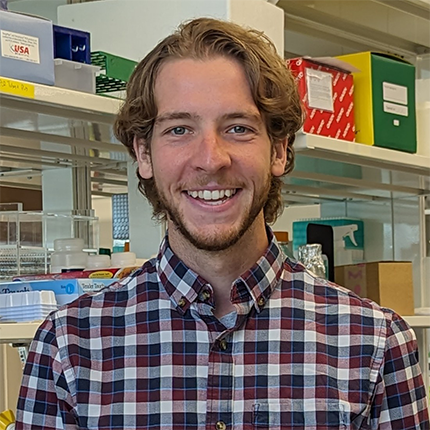
Dr. Dave Klawon is fascinated with the critical, yet disparate roles that our immune system plays in resolving or mediating different diseases. He hypothesizes that comparing productive immune responses during infections with immune responses that fail to resolve in autoimmunity or become dysfunctional in cancer will “reveal precise therapeutic targets capable of tuning the immune response at will”.
Klawon developed his immunology expertise during his graduate research in Dr. Peter Savage’s lab at the University of Chicago. His research there focused on understanding how the immune system recognizes proteins from invaders like viruses or bacteria but knows not to attack the body’s own proteins. Klawon found that a special type of adaptive immune cell, regulatory T cells, selectively suppress self-reactive immune responses during infection to prevent autoimmune disease, thereby providing crucial mechanistic insight into self/non-self discrimination by the immune system.
During his fellowship in Dr. Tyler Jacks’s lab at MIT, Klawon will adjust his research focus to the immune system’s role in cancer. Immunotherapy is a burgeoning and incredibly promising cancer treatment modality, yet many patients fail to respond to current therapeutic options. Klawon notes that tumor-infiltrating T cells are a heterogeneous population that include subsets that either combat tumor growth or suppress the immune response allowing tumors to flourish. His research aims to identify factors driving tumor-enrichment of these disparate populations and reveal novel therapeutic targets that would both promote anti-tumor T cells and inhibit immunosuppressive T cells.
Awarded Organization: Salk Institute for Biological Studies
Sponsor: Dr. Robert HolleyAward Year Start: 1971
Current Department: UT Health science Center San Antonio
Project Title: Serum factor requirements of differentiated mammalian cells cultured in vitro
Awarded Organization: Karolinska Institutet, Sweden
Awarded Department: Department of Tumor Biology
Sponsor: Dr. Klein, GeorgeAward Year Start: 1962
Project Title: Investigations concerning cell growth, survival and destruction in a transplantation situation
Awarded Organization: Duke University
Awarded Department: Department of Pharmacology and Cancer Biology
Sponsor: Dr. Donald T. FoxAward Year Start: 2026
Current Title: Postdoctoral Fellow
Project Title: Uncovering tissue-specific tRNA regulation and function in animal development
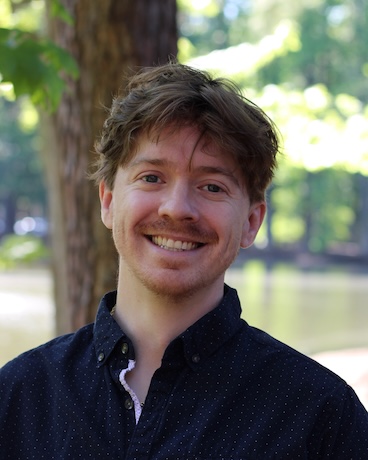
Fly and worm researchers have long debated the unique advantages of their favorite model organism. Dr. Jake Klemm finds that flies provide a powerful genetic toolkit to study animal physiology. He previously used flies to find unexpected roles for proteins involved in cell death processes in tissue repair and regeneration. As a Robertson Foundation – Jane Coffin Childs Fellow, he will use fruit flies and mammalian cells to study how tRNAs, small RNA molecule that act as a physical adaptor during protein synthesis, help control which proteins are made in specific tissues.
Klemm developed his appreciation for flies during his thesis research in Rob Harris, Ph.D.’s lab at Arizona State University. Klemm built a fly model, using the fly wing, to study the tissue response to necrotic injury (a type of cell death different from apoptosis). He unexpectedly found that necrosis can trigger apoptosis in cells far away from the injury, something he called “necrosis-induced apoptosis.” He also showed this process is required for tissue regeneration, and that enzymes called caspases are important for regeneration. This suggested that molecules best known for killing cells can also help tissues regrow.
Now in Don Fox’s lab at Duke University, Klemm will study “tissue-adapted” tRNAs, which may help regulate gene expression in a tissue-specific way. Instead of being just routine parts of the protein-making machinery, these tRNAs may influence what gets translated in different cell types. He will test this idea in both reproductive (germ) cells and specialized (differentiated) cells, aiming to build a strong model for understanding how tRNAs function in animal development and physiology.
Awarded Organization: Stanford University
Awarded Department: Department of Pathology
Sponsor: Dr. Gerald R. CrabtreeAward Year Start: 1996
Current Organization: National Institutes of Health
Current Department: National Cancer Institute
Current Title: Program Director
Project Title: Regulation of NF-ATc nuclear translocation
Awarded Organization: Harvard Medical School
Awarded Department: Sidney Farber Cancer Institute
Sponsor: Dr. Arthur PardeeAward Year Start: 1975
Current Organization: Western Michigan University
Current Department: Department of Biomedical Sciences
Current Title: Research Professor
Project Title: Regulation of cell growth
Awarded Organization: Salk Institute for Biological Studies
Awarded Department: Gene Expression Laboratory
Sponsor: Dr. Ronald M. EvansAward Year Start: 1990
Current Organization: UT Southwestern Medical Center
Current Department: Department of Molecular Biology
Current Title: Professor
Project Title: Transcriptional repression by the c-erbA product
Awarded Organization: Stanford University
Awarded Department: Department of Biological Sciences
Sponsor: Dr. Charles YanofskyAward Year Start: 1984
Current Organization: California State University Long Beach
Current Department: Department of Biology
Current Title: Professor
Project Title: DNA protein interactions
Awarded Organization: Columbia University
Awarded Department: Department of Genetics and Development
Sponsor: Dr. Argiris EfstratiadisAward Year Start: 2003
Current Organization: Biomedical Research Foundation Academy of Athens
Current Title: Researcher A
Project Title: Collaborative pathways in breast tumorigenesis
Awarded Organization: University of Chicago
Awarded Department: Department of Microbiology
Sponsor: Dr. Bernard RoizmanAward Year Start: 1976
Current Organization: Harvard Medical School
Current Department: Department of Microbiology
Current Title: Professor
Project Title: Regulation of synthesis of herpesvirus gene products
Awarded Organization: Fred Hutchinson Cancer Center
Awarded Department: Division of Basic Sciences
Sponsor: Dr. Robert N EisenmanAward Year Start: 1998
Current Organization: University of California, Davis
Current Department: Department of Cell Biology and Human Anatomy
Current Title: Professor
Project Title: Analysis of Mga, a novel member of the Max network
Awarded Organization: University of California, Berkeley
Awarded Department: Department of Biochemistry
Sponsor: Dr. Randy W. SchekmanAward Year Start: 1986
Current Organization: Stanford University
Current Department: ChEM-H/High-Throughput Screening
Current Title: Director
Project Title: Characterization and localization of the SEC7 protein
University of California, San Francisco
Read more
Awarded Organization: University of California, San Francisco
Awarded Department: Department of Biochemistry and Biophysics
Sponsor: Dr. Bruce M. AlbertsAward Year Start: 1985
Current Organization: University of Florida Scripps Institute
Current Department: Department of Chemistry
Current Title: Professor
Project Title: Recombination and DNA replication in phage T4
Awarded Organization: Yale University
Awarded Department: Department of Genetics
Sponsor: Dr. Antonio GiraldezAward Year Start: 2019
Current Organization: Yale University
Current Department: Department of Genetics
Current Title: Associate Research Scientist
Project Title: Dissecting the molecular mechanisms that trigger zygotic genome activation
Awarded Organization: Scripps Research Institute
Awarded Department: Department of Biological Sciences
Sponsor: Dr. Michael G RossmannAward Year Start: 1992
Current Organization: Qatar Biomedical Research Institute
Current Department: Diabetes Research Center
Current Title: Joint Associate Professor
Project Title: Virus receptor interactions on a molecular level
Whitehead Institute /
Massachusetts Institute of Technology
Awarded Organization: Whitehead Institute
Fellowship University: Massachusetts Institute of Technology
Sponsor: Dr. Michael LisantiAward Year Start: 1994
Current Organization: Yale University
Current Department: Department of Molecular Biophysics and Biochemistry & Neuroscience
Current Title: Professor
Project Title: A loss of caveolae/caveolin in transformed cells
University of California, San Francisco
Read more
Awarded Organization: University of California, San Francisco
Awarded Department: Department of Biochemistry and Biophysics
Sponsor: Dr. Hiten MadhaniAward Year Start: 2009
Current Title: Yoga Instructor
Project Title: Investigation of the role of chromatin dynamics in programming gene expression noise
I am studying genetic determinants of non-genetic variability, or ¬noise,¬î in gene expression using the yeast Saccharomyces cerevisiae.
I started college fully intending to become a physician. However, an excellent first-year interdisciplinary course exposed me to the excitement of research science, and demonstrated the power/utility of using tools from one discipline to study problems in another. I pursued a degree in physics, with the intention of applying the quantitative tools and techniques that I had learned to study biology.
My graduate studies were supervised by both Pam Silver, a molecular and cellular biologist, and Fritz Roth, a statistician and computational biologist. Their joint tutelage allowed me not only to learn fundamental molecular biology and genomics, but also how to analyze data I generated in high-throughput and computational studies. My post-doctoral research on noise in gene expression provides another opportunity to apply mathematical and computational techniques to high-throughput datasets that I am collecting myself. I hope that these studies will provide new insight into problems as fundamental.
Awarded Organization: Rockefeller University
Awarded Department: Department of Molecular Biophysics
Sponsor: Dr. John KuriyanAward Year Start: 1992
Current Organization: Mount Saint Mary Academy
Current Title: Science Teacher
Project Title: Expression, purification and x-ray study of arc kinase
Awarded Organization: Massachusetts Institute of Technology
Awarded Department: Center for Cancer Research
Sponsor: Dr. Phillip A. SharpAward Year Start: 1984
Project Title: RNA splicing in eukaryotic cell free systems
Awarded Organization: Stanford University
Awarded Department: Department of Biochemistry
Sponsor: Dr. I. Robert LehmanAward Year Start: 1971
Project Title: Enzymatic characterization of E coli mutants
Awarded Organization: Johns Hopkins University
Awarded Department: Department of Biological Chemistry
Sponsor: Dr. Leroy F. LiuAward Year Start: 1988
Current Organization: Yonsei University
Current Department: Department of Biochemistry
Current Title: Professor
Project Title: Effects of DNA bending stress on DNA structure and function
Awarded Organization: Fred Hutchinson Cancer Center
Awarded Department: Department of Genetics
Sponsor: Dr. Harold WeintraubAward Year Start: 1990
Current Organization: Cincinnati Children's Hospital Medical Center
Current Department: Division of Developmental Biology
Current Title: Professor
Project Title: Mouse Notch
Awarded Organization: University of California, Berkeley
Awarded Department: Department of Molecular and Cell Biology
Sponsor: Dr. Corey S. GoodmanAward Year Start: 1991
Current Organization: Alcon
Current Title: Senior Scientific Advisor
Project Title: Mutations affecting axon outgrowth in the developing nervous system of D melanogaster
Awarded Organization: University of California, San Francisco
Awarded Department: Department of Biochemistry and Biophysics
Sponsor: Dr. Christine GuthrieAward Year Start: 1991
Project Title: Genetic analysis of messenger RNA transport
University of California, San Francisco
Read more
Awarded Organization: University of California, San Francisco
Awarded Department: Department of Biochemistry and Biophysics
Sponsor: Dr. Peter WalterAward Year Start: 2007
Current Organization: Princeton University
Current Department: Department of Molecular Biology
Current Title: Professor
Project Title: Taking apart a molecular switch: structure, regulation and specificity of the bifunctional kinase-ribonuclease IRE1
Awarded Organization: Fred Hutchinson Cancer Center
Awarded Department: Division of Basic Sciences
Sponsor: Dr. Mark GroudineAward Year Start: 2002
Project Title: Nuclear reorganization during erythrocyte development
Awarded Organization: Harvard University
Awarded Department: Department of Biochemistry and Molecular Biology
Sponsor: Dr. James C WangAward Year Start: 1978
Current Organization: FDA
Project Title: Lambda integrase

Awarded Organization: Massachusetts General Hospital
Awarded Department: Department of Molecular Biology
Sponsor: Dr. Vamsi MoothaAward Year Start: 2021
Current Organization: GSK
Current Title: Principal Scientist
Project Title: Uncovering the molecular mechanisms of mitochondrial heteroplasmy dynamics
Description: Mitochondria are present in nearly all human cells where they play key roles in energy metabolism, biosynthesis, signaling, and cell death. Mitochondrial homeostasis depends on the proper maintenance and expression of the mitochondrial genome (mtDNA). Germline mtDNA mutations can lead to severe, maternally inherited disorders with limited treatment possibilities. Moreover, somatic mtDNA mutations accumulate in neurodegeneration, cancer and aging. mtDNA is a high copy number genome and a mixture of wild-type and mutant mtDNA molecules can co-exist within one cell resulting in “heteroplasmy”. Heteroplasmy dynamics are governed by a complex mix of random drift and selection, but the underlying molecular mechanisms remain unknown. The aim of my post-doctoral research is to uncover the molecular mechanisms that govern mtDNA heteroplasmy. Mechanistic studies of heteroplasmy dynamics will shed the light on the mitochondrial contribution to human health and disease and possibly inspire novel therapeutic approaches to mtDNA disease.
Awarded Organization: Massachusetts Institute of Technology
Awarded Department: Department of Biology
Sponsor: Dr. Phillips W RobbinsAward Year Start: 1974
Current Organization: Johns Hopkins University
Current Department: Department of Biochemistry and Molecular Biology
Current Title: Professor Emeritus
Project Title: Subcellular localization of glycolipid changes during viral transformation
Awarded Organization: Rockefeller University
Sponsor: Dr. Moses KunitzAward Year Start: 1948
Current Organization: Georgetown University
Project Title: Purification and crystallization of enzymes and proteins
Awarded Organization: Stanford University
Awarded Department: Department of Biochemistry
Sponsor: Dr. Ronald W. DavisAward Year Start: 1974
Current Department:
Project Title: RNA synthesis from fragments of eukaryotic genomes
Awarded Organization: Yale University
Awarded Department: Department of Surgery
Sponsor: Dr. Samuel C. Harvey & Harry S. N. GreeneAward Year Start: 1948
Current Organization: Tulane Cancer Clinical Research Center
Current Title: Director
Project Title: Tumors of neural origin
Awarded Organization: Massachusetts Institute of Technology
Awarded Department: Center for Cancer Research
Sponsor: Dr. Phillip A. SharpAward Year Start: 1987
Current Organization: National Institutes of Health
Current Department: National Institute of Allergy and Infectious Diseases
Current Title: Senior Investigator
Project Title: Repression of enhancer activity by adenovirus E1A
Awarded Organization: Boston Children's Hospital
Awarded Department: Department of Genetics and Genomics
Sponsor: Dr. Christopher WalshAward Year Start: 2022
Current Organization: Boston Children's Hospital
Current Department: Department of Genetics and Genomics
Current Title: Postdoctoral Fellow
Project Title: Dissecting the impact of non-coding somatic mutations in the human brain
While somatic mutations have been heavily studied in tumors, their prevalence and significance to disease risk in healthy individuals is much less well-understood. The Walsh lab and others revealed that somatic mutation is a widespread phenomenon. Human neurons each contain 100 or more clonal somatic single nucleotide variants (sSNV) at birth, acquired during prenatal development, and gain 15-20 additional sSNVs arising per year. Most somatic variants, including those associated with cancer risk, occur in noncoding regions such as enhancers. Despite being the main source of genetic diversity between cells within an individual, the mechanisms by which noncoding somatic mutations form as well as their functional impact are not well understood. My research will focus on developing new strategies to detect rare noncoding somatic variants as well as dissect their epigenomic impact across different cell types in the human brain. This will help illuminate how much this source of variation contributes to cancer risk and brain disease.
Awarded Organization: New York University
Awarded Department: Department of Biochemistry
Sponsor: Dr. Severo OchoaAward Year Start: 1960
Current Organization: Robert Koch Institute
Current Department: Department of Biochemistry
Current Title: Director/Professor
Project Title: Influence of DNA on synthesis of RNA
Awarded Organization: Cold Spring Harbor Laboratory
Sponsor: Dr. Leemor Joshua-TorAward Year Start: 2008
Current Organization: University of Bayreuth
Current Department: RNA Biochemistry
Current Title: Professor
Project Title: Structure and function of Piwi proteins in planarians essential for regeneration and stem cell differentiation
Awarded Organization: Stanford University
Fellowship University: University of Oregon
Awarded Department: Department of Biochemistry
Sponsor: Dr. A. Dale Kaiser & Frank StahlAward Year Start: 1970
Current Organization: McGill University
Current Department: Department of Molecular Biology
Current Title: Professor Emeritus
Project Title: Enzyme recognition of base sequences on DNA
Awarded Organization: Case Western Reserve University
Awarded Department: Department of Biochemistry
Sponsor: Dr. C. CooperAward Year Start: 1959
Current Organization: The Hebrew University of Jerusalem
Current Department: The Alexander Silberman Institute of Life Science
Current Title: Professor Emeritus
Project Title: Studies on the mechanism of DPN-linked reduction in mitochondria in various metabolic states
Stanford University /
Rockefeller University
Awarded Organization: Stanford University
Fellowship University: Rockefeller University
Awarded Department:
Sponsor: Dr. Elaine FuchsAward Year Start: 2010
Current Organization: Pfizer
Current Title: Senior Principal Scientist
Project Title: Centrosomes and the regulation of asymmetric cell division
Awarded Organization: University of California, San Francisco
Awarded Department: Department of Biochemistry and Biophysics
Sponsor: Dr. Jeremy ReiterAward Year Start: 2018
Current Organization: Hexagon Bio
Current Title: Drug Discovery Scientist
Project Title: Centriolar satellites use phase separation to remodel the centrosome
In animals, the centrosome is the major microtubule organizing center and participates intimately in cell division, organelle positioning and key developmental processes, such as neurogenesis. Consequently, centrosome dysregulation can cause defects in chromosome segregation leading to cancer and defects in brain development leading to microcephaly. Surrounding centrosomes are centriolar satellites, 70-100 nm sized, membrane-less organelles. Their functions are mysterious, although recent evidence from my lab suggests that they participate in the assembly of centrosomes and neurogenesis. The molecular mechanisms by which centriolar satellites participate in centrosome function are unknown. Phase separations have recently been shown to be a biophysical mechanism for partitioning subcellular processes. I hypothesized that centriolar satellites are dynamic, phase-separated compartments and that phase separation is essential for trafficking proteins to remodel the centrosome. To test this hypothesis, I am using biophysical, biochemical, genetic and super-resolution live-cell imaging approaches. My work will reveal how phase separation allows centriolar satellites to act as crucibles in which centrosome-bound proteins are dynamically sorted, providing novel insights into how the centrosome is organized and how this organization goes awry in centrosome-related diseases.
Medical Research Council (MRC),UKRI /
Yale University
Awarded Organization: Medical Research Council (MRC),UKRI
Fellowship University: Yale University
Awarded Department: Laboratory of Molecular Biology
Sponsor: Dr. Aaron KlugAward Year Start: 1987
Current Organization: NASA
Current Department: Biological and Physical Sciences Division
Current Title: Retired Director
Project Title: Cloning and crystallization of TFIIIA Zn-binding domains
Awarded Organization: Massachusetts Institute of Technology
Awarded Department: Department of Biology
Sponsor: Dr. David BaltimoreAward Year Start: 1974
Project Title: Role of terminal deoxynucleotidyl transferase in developing thymus
Awarded Organization: California Institute of Technology
Awarded Department: Division of Biology
Sponsor: Dr. David AndersonAward Year Start: 2008
Current Organization: Broad Institute
Current Department: Neural Circuits and Therapeutics for Mental Illnesses
Current Title: Senior Group Leader
Project Title: Genetic dissection of amygdala neuronal circuitry underlying fear and anxiety in mice
My research in the lab of David J. Anderson focuses on genetic dissection of neuronal circuitry underlying defensive and offensive behaviors in mice. We use the latest genetic techniques of neuronal marking, mapping and manipulation in order to explain the neuronal basis of these behaviors.
I was born into a middle-class family in a small town in southern Nepal. After finishing high school in my hometown, I began my undergraduate studies in the biology program of Tri-Chandra College in Kathmandu, Nepal.
I considered scientific research early on, as I realized its power both to explain the natural world and our existence, and to bring practical benefits to society. Soon, I became captivated by the spectacular progress in genetics and biomedical sciences. Not seeing any further academic opportunities in the biomedical sciences in Nepal, I came to the U.S., obtaining my undergraduate degree in biotechnology at the University of Nebraska at Omaha. I then did my PhD under the supervision of Ruth Lehmann at New York University Medical Center. I enjoy traveling, and am also involved in promoting biomedical research and education in Nepal via a biomedical society formed by a group of Nepali scientists.
Awarded Organization: Harvard University
Awarded Department: Department of Chemistry
Sponsor: Dr. William N LipscombAward Year Start: 1981
Current Organization: Mebias Discovery
Current Title: President
Project Title: Catalysis and regulation of ornithine transcarbamylase
Washington University and Duke University Medical Center /
Duke University Medical Center
Awarded Organization: Washington University and Duke University Medical Center
Fellowship University: Duke University Medical Center
Awarded Department: Department of Cell Biology and Physiology
Sponsor: Dr. Michael P SheetzAward Year Start: 1989
Current Organization: Johns Hopkins School of Medicine
Current Department: Department of Biomedical Engineering
Current Title: Associate Professor
Project Title: Microtubule-dependent motility of organelles
Awarded Organization: Whitehead Institute
Sponsor: Dr. Robert A. WeinbergAward Year Start: 2000
Current Organization: Tufts University
Current Department: Department of Genetics
Current Title: Professor
Project Title: Induction of mammary tumor by p-53-deficient stroma
Awarded Organization: National Institutes of Health
Sponsor: Dr. Herman M. KalckarAward Year Start: 1955
Current Organization: Osaka University
Current Department: Protein Research Foundation
Current Title: Professor Emeritus
Project Title: Formation and metabolism of nucleoside polyphosphate
Awarded Organization: Stanford University
Awarded Department: Department of Biology
Sponsor: Dr. Kang ShenAward Year Start: 2011
Current Organization: Albert Einstein College of Medicine
Current Department: Department of Neuroscience
Current Title: Assistant Professor
Project Title: A search for determinants of synaptic size and function
Awarded Organization: Columbia University
Awarded Department: Department of Genetics and Development
Sponsor: Dr. Rodney J Rothstein & David M ShoreAward Year Start: 1986
Current Organization: Oregon Health and Science University
Current Department: Knight Cancer Institute
Current Title: Research Associate Professor
Project Title: Genetic control of recombination in yeast
Awarded Organization: Harvard University
Awarded Department: Department of Chemistry and Chemical Biology
Sponsor: Dr. Xiaowei ZhuangAward Year Start: 2018
Current Organization: Gingko Bioworks
Current Department:
Current Title: Senior Scientist
Project Title: Super resolution imaging of age related changes to the neuronal cytoskeleton
With global increases in average lifespan, understanding the neurological changes associated with normal aging has become increasingly relevant. Changes in neuronal architecture and synapse function have been proposed to underlie age related cognitive decline in healthy individuals, although the precise mechanisms remain unclear. The neuronal cytoskeleton is essential to the formation of unique neuronal architectures. Advances in superresolution microscopy have enabled the identification of an evolutionarily conserved Membrane-associated Periodic Skeleton (MPS) that forms an integral part of the neuronal cytoskeleton. Mutations in components of the MPS cause neurodegenerative disorders, suggesting that the presence of this network is also important for the maintenance of neuronal function. My project will focus on dissecting the functional role of age related changes to the MPS, providing us with a better understanding of the progressive loss in cognitive ability widespread in the aging population.