
Awarded Organization: Stanford University
Awarded Department: Department of Biochemistry
Sponsor: Dr. Paul BergAward Year Start: 1983
Current Organization: Monell Center
Current Title: Adjunct Professor
Project Title: Cloning of human low density lipoprotein gene(s)
Awarded Organization: Harvard University
Awarded Department: The Biological Laboratories
Sponsor: Dr. Fotis C. KafatosAward Year Start: 1983
Current Organization: Genetics & IVF Institute
Current Title: Scientific Director
Project Title: Temporal specificity of chorion gene expression in Drosophila
Awarded Organization: Medical Research Council
Awarded Department: Population Genetics Research Unit
Sponsor: Dr. Alan C. StevensonAward Year Start: 1961
Current Organization: Private Practice and Stanford Medical School
Current Department: Allergy and Immunology
Current Title: clinical associate professor and private practice MD
Project Title: Medical genetics
Awarded Organization: Rockefeller University
Sponsor: Dr. Eugene L. OpieAward Year Start: 1947
Current Organization: Baltimore City Hospital
Current Title: Associate Pathologist
Project Title: Histochemical study of precancerous lesions
University of California, Los Angeles
Read more
Awarded Organization: University of California, Los Angeles
Awarded Department: Department of Microbiology and Molecular Genetics
Sponsor: Dr. Douglas L. BlackAward Year Start: 1997
Current Organization: Xencor
Current Title: Senior Director, Translational Biology
Project Title: Neuronal splicing enhancer complex structure
Awarded Organization: Harvard Medical School
Awarded Department: Department of Genetics
Sponsor: Dr. Norbert PerrimonAward Year Start: 2005
Current Organization: University of Massachusetts, Amherst
Current Department: Department of Biology
Current Title: Assistant Professor
Project Title: Whole-genome RNAi screens to identify insulator genes
Awarded Organization: Massachusetts Institute of Technology
Awarded Department: Department of Chemistry
Sponsor: Dr. Stephen J. LippardAward Year Start: 1997
Current Organization: Cepheid
Current Department: Oncology R & D
Current Title: Vice President
Project Title: Platinum oligonucleotides and anticancer drugs
Awarded Organization: Northwestern University
Awarded Department: Department of Biochemistry Molecular Biology and Cell Biology
Sponsor: Dr. Eric J SontheimerAward Year Start: 2008
Current Organization: The Rockefeller University
Current Department: Laboratory of Bacteriology
Current Title: Principal Investigator
Project Title: Mechanisms of sequence-based resistance to bacteriophages and plasmids in Eubacteria
Carnegie Institution for Science
Read more
Awarded Organization: Carnegie Institution for Science
Awarded Department: Department of Embryology
Sponsor: Dr. Donald D BrownAward Year Start: 1994
Current Organization: University of California, Davis
Current Department: Department of Ophthalmology and Vision Sciences
Current Title: Professor
Project Title: Xenopus functional assay for the study of apoptosis
Awarded Organization: Johns Hopkins University
Awarded Department: Department of Cell Biology and Anatomy
Sponsor: Dr. Katherine L WilsonAward Year Start: 1995
Current Organization: Write Medical, LTD
Current Title: Director
Project Title: Regulation of nuclear envelope assembly after mitosis
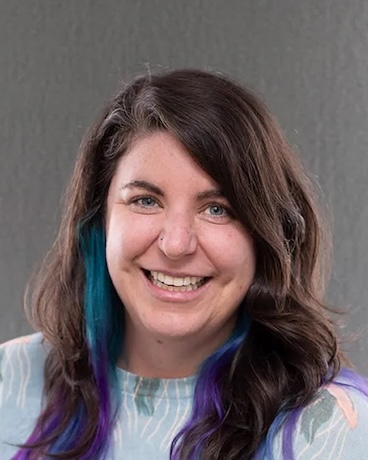
Awarded Organization: Stowers Institute for Medical Research
Awarded Department: Department of Development and Regeneration
Sponsor: Dr. Matthew GibsonAward Year Start: 2026
Current Title: Postdoctoral Fellow
Project Title: Molecular mechanisms of fertilization dynamics and prezygotic barriers in Acropora millepora
Dr. Kira Marshall has combined her desire to do rigorous molecular research with her passion to preserve threatened species. As a graduate student, Marshall provided keen insights into the molecular mechanisms of spermatogenesis in marsupial and placental mammals. Now, she’ll return to the sea to gain a better understanding of coral reproduction, to uncover ways to mitigate the rapidly declining coral populations around the world.
Marshall’s graduate studies in Bluma Lesch’s lab at Yale University provided fine detail into gene expression during sperm development – a deeply conserved process with obvious implications for fitness. By characterizing this process in the marsupial opossum and in mouse, a placental mammal, Marshall was able to compare spermatogenesis across the placental-marsupial split. She uncovered a gene program that’s conserved in both species, as well as genes that appear to contribute to the placental mammalian lineage. Marshall’s findings furthered our understanding of germ cell biology as well as infertility.
As a JCC Fellow at the Stowers Institute in Matt Gibson’s lab, Marshall will extend her research on reproduction to a different branch of the evolutionary tree by studying Acropora millepora, a hermaphroditic free spawning coral species. These organisms release bundles of eggs and sperm into the water, yet self-fertilization is exceedingly rare, suggesting that there are mechanisms that control gamete attraction and compatibility. Marshall will investigate the fertilization of this coral species and decipher the means by which they ensure proper mating. Ultimately, Marshall aims for her research to have a direct and positive effect on marine ecosystems by helping to preserve threatened coral species.
Awarded Organization: University of California, Berkeley
Awarded Department: Virus Laboratory
Sponsor: Dr. Harry RubinAward Year Start: 1968
Current Organization: University of California, Berkeley
Current Department: Department of Molecular and Cell Biology
Current Title: Professor Emeritus
Project Title: Cell transformation
University of North Carolina, Chapel Hill
Read more
Awarded Organization: University of North Carolina, Chapel Hill
Awarded Department: Department of Bacteriology
Sponsor: Dr. Marshall H. EdgellAward Year Start: 1982
Current Organization: University of North Carolina,
Current Department: Department of Maternal and Child Health
Current Title: Professor
Project Title: Embryo microinjection
Awarded Organization: Harvard University
Awarded Department: Department of Biochemistry and Molecular Biology
Sponsor: Dr. Michael R. GreenAward Year Start: 1987
Current Organization: Central Connecticut State University
Current Department: Department of Biomolecular Sciences
Current Title: Professor Emeritus
Project Title: Mechanisms used by eukaryotic transcriptional activator proteins
La Jolla Institute for Allergy and Immunology
Read more
Awarded Organization: La Jolla Institute for Allergy and Immunology
Awarded Department: Laboratory of Signaling and Gene Expression
Sponsor: Dr. Patrick HoganAward Year Start: 2012
Current Organization: KSQ Therapeutics, Inc.
Current Title: Associate Director
Project Title: Induction of anergy/exhaustion by NFAT1
Awarded Organization: Massachusetts Institute of Technology
Awarded Department: Department of Biology
Sponsor: Dr. Wendy GilbertAward Year Start: 2016
Current Organization: Stanford University
Current Department: Department of Chemical and Systems Biology
Current Title: Assistant Professor
Project Title: Defining the landscape and function of pseudouridines in pre-mRNA
Awarded Organization: University of California, Berkeley
Awarded Department: Virus Laboratory
Sponsor: Dr. Wendell M. StanleyAward Year Start: 1957
Current Organization: University of Nebraska Medical School
Current Department: Department of Biochemistry
Current Title: Professor
Project Title: Mouse leukemia
Awarded Organization: Harvard University
Awarded Department: Department of Biological Chemistry
Sponsor: Dr. Charles C RichardsonAward Year Start: 1980
Project Title: T7 DNA replication in vitro
Awarded Organization: Harvard Medical School
Awarded Department: Department of Biology
Sponsor: Dr. Paul H. PattersonAward Year Start: 1981
Project Title: Development of cholinergic neurons
Awarded Organization: Rockefeller University
Awarded Department: Laboratory of Neurogenetics and Behavior
Sponsor: Dr. Leslie VosshallAward Year Start: 2011
Current Organization: University of British Columbia
Current Department: Department of Zoology
Current Title: Assistant Professor
Project Title: Molecular genetics of water sensation and oviposition site preference the in the yellow fever mosquito
Awarded Organization: University of Wisconsin, Madison
Awarded Department: McArdle Laboratory for Cancer Research
Sponsor: Dr. Howard M. TeminAward Year Start: 1965
Current Organization: University of Auckland
Current Title: Professor Emeritus
Project Title: Tumor viruses
Awarded Organization: Stanford University
Awarded Department: Department of Pharmacology
Sponsor: Dr. Oleg JardetskyAward Year Start: 1971
Project Title: Interaction of lac-repressor protein with DNA
Awarded Organization: University of California, San Diego
Awarded Department: Department of Chemistry
Sponsor: Dr. Joseph KrautAward Year Start: 1972
Project Title: Structure determination of the enzyme dihydrofolate reductase
Awarded Organization: Pennsylvania State University
Awarded Department: Department of Chemistry
Sponsor: Dr. Stephen J. BenkovicAward Year Start: 2000
Current Title: Self-Employed
Project Title: Helicase dynamics in DNA replication
Awarded Organization: Massachusetts Institute of Technology
Awarded Department: Department of Biology
Sponsor: Dr. Peter K SorgerAward Year Start: 2001
Current Organization: Warwick Medical School
Current Department: Department of Science, Engineering and Medicine
Current Title: Professor and Chair
Project Title: Probing molecular tensionometer at yeast kinetochores
University of California, San Francisco
Read more
Awarded Organization: University of California, San Francisco
Awarded Department: Department of Pharmacology
Sponsor: Dr. Ronald D. ValeAward Year Start: 1988
Current Organization: University of Montana
Current Department: Division of Biological Sciences
Project Title: Kinesin's biological roles, a genetic approach
Awarded Organization: Medical Research Council (MRC),UKRI
Awarded Department: Laboratory of Molecular Biology
Sponsor: Dr. Frances Crick and Sydney BrennerAward Year Start: 1968
Current Organization: University of Wisconsin-Madison
Current Department: Department of Bacteriology
Current Title: Professor Emeritus
Project Title: Structure and function in transfer in RNA
Awarded Organization: Stanford University
Awarded Department: Department of Developmental Biology
Advisor Name: Mathew D. ScottAwarded Sponsor: Stanford University
Award Year Start: 1990
Current Organization: University of California, Davis
Current Department: College of Engineering
Current Title: Adjunct professor
Project Title: Transcriptional regulation by homeotic genes
Awarded Organization: University of Washington
Awarded Department: Department of Immunology
Sponsor: Dr. Jakob von MoltkeAward Year Start: 2022
Current Organization: University of Washington
Current Department: Department of Immunology
Current Title: Scientist
Project Title: Tissue Specific Sentinels of Type 2 Immunity
The innate immune system is paramount in recognizing foreign or mutated material and initiating proper immune responses to combat them. Recognition of allergens and parasitic worms (helminths) elicit a socalled “type 2” immune response focused on expulsion of stimuli and tissue repair. Type 2 immune responses impact the prognosis of many cancers and the success of immunotherapies, but how these responses are established remains poorly understood. Group 2 innate lymphoid cells (ILC2s) initiate and propagate type 2 immune responses, but do not sense immune agonists directly. The origin and regulation of host-derived signals leading to ILC2 activation is therefore an area of immense interest. Recent work identified a specialized population of epithelial tuft cells responsible for sensing helminths and activating ILC2s by secreting interleukin(IL)-25 and cysteinyl leukotrienes in the small intestine. Airway ILC2s are similarly important for type 2 immune responses in the lung, but tuft cells are dispensable in this context. My proposal seeks to identify the signals that activate intestinal tuft cells and a novel cell subset responsible for airway ILC2 activation. Examining the initiation of type 2 immunity in multiple organs will uncover both convergent and divergent mechanisms by which type 2 responses can be further manipulated.
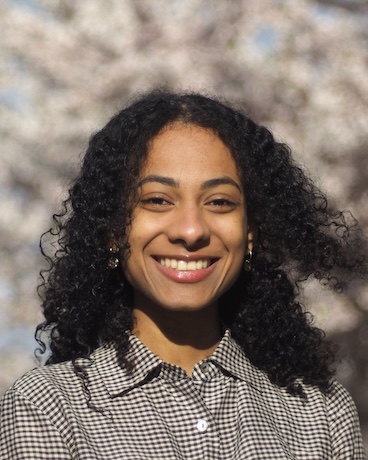
Awarded Organization: Harvard Medical School
Awarded Department: Department of Biological Chemistry and Molecular Pharmacology
Sponsor: Dr. Josefina del MármolAward Year Start: 2026
Current Title: Postdoctoral Fellow
Project Title: A thirst for blood: structural mechanisms of human hunting by mosquitoes
Taste can be instructive: for example, the taste of a calorie-rich pastry is highly pleasurable while spoiled food is off-putting. Sasha McDowell, Ph.D.’s graduate research revealed the molecular details of how fruit flies are repelled by too much salt yet attracted to just the right amount. As a Jane Coffin Childs-Merck Fellow McDowell will now explore a related mechanism for how mosquitoes are attracted to the odor of their human prey.
During her thesis research in Michael Gordon’s lab at the University of British Columbia, McDowell investigated how fruit flies taste and respond to salt. She identified the first salt-specific receptor in Drosophila melanogaster and demonstrated how this ionotropic receptor (IR) functions to avoid high salt concentrations. McDowell then investigated a related receptor which is involved in salt attraction. She found that the receptor activity is tuned in response to prior salt consumption. Together, McDowell’s studies reveal how IRs are involved in both salt attraction and repulsion to balance overall dietary intake.
Near the end of her graduate research McDowell contracted dengue fever through a mosquito bite. Naturally, she was curious about what attracts mosquitoes to their human prey, which will be her focus in Josefina del Mármol’s lab at Harvard. Previous research had shown that a mosquito IR is involved in their attraction, though it remains unclear what component of human odor this receptor detects. Dr. McDowell aims to discover this missing attractant, understand how the receptor binds to the attractant, and find inhibitors that prevent mosquitoes’ attraction to humans. In addition to providing fundamental information about mosquito biology, McDowell’s research may reveal new strategies for bio-control efforts.
Awarded Organization: Stanford University
Awarded Department: Department of Biochemistry
Sponsor: Dr. I. Robert LehmanAward Year Start: 1977
Current Organization: University of California, Los Angeles
Current Department: Department of Biological Chemistry
Current Title: Professor Emeritus
Project Title: Enzymatic analysis of general recombination
Awarded Organization: Harvard Medical School
Awarded Department: Department of Bacteriology and Immunology
Sponsor: Dr. David E Morse & Jonathan R. BeckwithAward Year Start: 1971
Current Department: University of Glasgow
Project Title: RNA transcription
University of Basel /
University of Basel, Switzerland
Awarded Organization: University of Basel
Fellowship University: University of Basel, Switzerland
Awarded Department: Department of Cell Biology
Sponsor: Dr. Walter J. GehringAward Year Start: 1983
Current Organization: University of California, San Diego
Current Department: Division of Biology
Current Title: Professor
Project Title: Isolation of Drosophila genes
Awarded Organization: Stanford University
Awarded Department: Department of Cell Biology & Department of Pathology
Sponsor: Dr. Peter Parham & Irving L WeissmanAward Year Start: 1985
Project Title: Differentiation of T cells initiated by stimulation of the T cell antigen receptor
California Institute of Technology /
Yale University
Awarded Organization: California Institute of Technology
Fellowship University: Yale University
Awarded Department: Department of Chemistry
Sponsor: Dr. Robert M. Stroud & Thomas A. SteitzAward Year Start: 1976
Current Organization: Stanford University
Current Department: Department of Structural Biology
Current Title: Professor Emeritus
Project Title: Human thrombin, lactose repressor system
Awarded Organization: University of California, San Diego
Awarded Department: Department of Biology
Sponsor: Dr. Dan L. LindsleyAward Year Start: 1981
Project Title: Role of x heterochromatin in control of meiosis and spermatogenesis in D. melanogaster
Awarded Organization: Weizmann Institute of Science, Israel
Awarded Department: Department of Biophysics
Sponsor: Dr. Nathan SharonAward Year Start: 1968
Project Title: Mechanism of enzymatic action of lysozyme
Awarded Organization: University of California, Berkeley
Awarded Department: Department of Molecular and Cell Biology
Sponsor: Dr. Jeremy W ThornerAward Year Start: 2005
Current Organization: University of Colorado Anschutz Medical Campus
Current Department: Department of Cell and Developmental Biology
Current Title: Associate Professor
Project Title: Analysis of septin filament assembly in S. Cerevisiae
University of Copenhagen /
Cambridge University, England
Awarded Organization: University of Copenhagen
Fellowship University: Cambridge University, England
Awarded Department: Department of Biochemistry
Sponsor: Dr. Herman Kalckar & E Hoff Jorgensen & A R ToddAward Year Start: 1949
Current Organization: Tufts University
Current Department: Department of Biochemistry
Project Title: Nucleic acids
Awarded Organization: Harvard University
Awarded Department: Department of Molecular and Cell Biology
Sponsor: Dr. Susan MangoAward Year Start: 2011
Current Organization: Nature Cell Biology
Current Title: Chief Editor
Project Title: The role of PHA-4 binding in cell fate specification during organ formation
Awarded Organization: Stanford University
Awarded Department: Department of Chemical Engineering
Sponsor: Dr. Chaitan KhoslaAward Year Start: 2000
Current Organization: Flatiron Health
Current Department: Scientific Engagement
Current Title: Director
Project Title: Biosynthetic engineering of a polyketide synthase
Awarded Organization: Harvard Medical School
Awarded Department: Department of Biological Chemistry and Molecular Pharmacology
Sponsor: Dr. Gerhard WagnerAward Year Start: 1992
Current Organization: University of Waterloo
Current Department: Department of Chemistry
Current Title: Professor
Project Title: NMR studies of human dihydrofolate reductase
Awarded Organization: Massachusetts General Hospital
Awarded Department: Department of Molecular Biology
Sponsor: Dr. Gary Ruvkun & Vamsi MoothaAward Year Start: 2017
Current Organization: Brandeis University
Current Department: Department of Biology
Current Title: Assistant Professor of Biology
Project Title: Molecular mechanisms of oxygen sensation and mitochondrial dysfunction
Molecular oxygen presents a fundamental biological problem: it is vital for life, yet also incredibly toxic. As the terminal electron acceptor in aerobic respiration and the redox engine of mitochondria, oxygen provides eukaryotes with the vast majority of their energy. However when molecular oxygen is reduced it can form damaging reactive species, and recent work has demonstrated that animals with genetic lesions in the mitochondrial respiratory chain are extremely vulnerable to oxygen toxicity. How animals have evolved to manage this double-edged sword remains a fundamental question._x000D_
The biology and natural ecology of the nematode C. elegans make it an attractive system in which to study oxygen tolerance. Wild type C. elegans are tolerant of oxygen concentrations ranging from 1% to 100%, and years of genetic studies have generated a rich toolbox of mitochondrial mutants. I will use these mutants to study the biology of oxygen tolerance, which may simultaneously shed light on the connection between mitochondrial disease and oxygen toxicity.
Awarded Organization: Massachusetts General Hospital
Awarded Department: Department of Molecular Biology
Sponsor: Dr. Gary RuvkunAward Year Start: 2005
Current Organization: SUNY - Buffalo School of Law
Current Title: Kent Scholar
Project Title: Regulation of energy homeostasis in C. elegans
Awarded Organization: Brigham and Women's Hospital
Awarded Department: Department of Genetics
Sponsor: Dr. Stephen J. ElledgeAward Year Start: 2020
Current Organization: UT Southwestern Medical Center
Current Department: Department of Molecular Biology
Current Title: Assistant Professor
Project Title: Defining nuclear-specific degradation pathways
Ubiquitylation is a post-translational modification that regulates the stability of thousands of proteins in our cells. The specificity for ubiquitylation is typically conferred by E3 ubiquitin ligases that attach ubiquitin onto substrate proteins. Despite the critical role that ubiquitylation plays in regulating the abundance and activity of many proteins, most ubiquitylation pathways are still poorly understood and many of the estimated ~600 E3 ubiquitin ligases have no known protein substrates.
Our lab has developed the Global Protein Stability (GPS) assay, which is a way to rapidly monitor protein stability using fluorescent proteins. We have recently been adapting this approach for library-on-library genetic screens in order to map, in parallel, dozens of ubiquitylation substrates to their cognate E3 ubiquitin ligases. We have also been using GPS screens to find degradation pathways specific to particular intracellular compartments. Together, these approaches will shed light on ubiquitylation pathways that are important for human health.
Awarded Organization: University of Cambridge, England
Awarded Department: Department of Radiotherapeutics
Sponsor: Dr. J.S. MitchellAward Year Start: 1957
Current Organization: Lawrence Livermore National Laboratory
Current Title: �Senior scientist and associate director of the Biosciences and Biotechnology Division
Project Title: Biological effects of irradiation
University of California, Santa Barbara /
Scripps Research Institute
Awarded Organization: University of California, Santa Barbara
Fellowship University: Scripps Research Institute
Awarded Department: Department of Biological Sciences
Sponsor: Dr. Steven I ReedAward Year Start: 1985
Current Organization: University of Kentucky College of Medicine
Current Department: Department of Molecular and Cellular Biochemistry
Current Title: Associate Professor
Project Title: Regulation of CDC28 kinase activity
Awarded Organization: Dana Farber Cancer Institute
Awarded Department: Department of Oncologic Pathology
Sponsor: Dr. Kathleen BurnsAward Year Start: 2021
Current Organization: Dana-Farber Cancer Institute
Current Title: Instructor of Pathology
Project Title: Mechanisms and consequences of
Long interspersed element-1 (LINE-1) is the only active, protein-coding transposon in humans. LINE-1 overexpression and LINE-1 retrotransposition are hallmarks of human cancers, although the impact of LINE-1 activity on cancer genomes and cancer cell growth remains poorly understood. My research focuses on addressing the hypothesis that LINE-1 retrotransposition causes substantial gross genome instability in cancers. Supporting this hypothesis, a recent pan-cancer analysis demonstrated associations between somatically-acquired LINE-1 insertions and segmental copy-number changes. Moreover, our lab recently identified that the Fanconi anemia/ BRCA pathway is required for growth of LINE-1(+) cells, suggesting that this DNA repair pathway might limit genotoxic effects of LINE-1. I am developing several approaches to assess the impact of LINE-1 on genome integrity, and I am evaluating the contribution of the FA/ BRCA pathway to LINE-1-associated DNA damage. These studies will be the first to evaluate the scope of LINE-1-mediated genome instability and should inform efforts to exploit LINE-1 genotoxicity as a cancer therapeutic strategy.
Awarded Organization: Harvard Medical School
Awarded Department: Department of Molecular and Cell Biology
Sponsor: Dr. Alexander SchierAward Year Start: 2008
Current Organization: University of Cambridge
Current Department: MRC Institute of Metabolic Diseases
Current Title: Principal Investigator
Project Title: Generation of hypocretin neurons from narcoleptic patients
The sleep disorder narcolepsy is caused by the degeneration of hypocretin neurons. The goal of my research is to derive hypocretin neurons from narcoleptic patients to study the cause of hypocretin neuron loss.
I was born in Konstanz, Germany and moved to Minnesota at an early age. As a teenager, I decided I wanted to become a neurosurgeon and spent my summers in a neurosurgery laboratory. I discovered I preferred working at the bench and, as an undergraduate at Caltech, I explored different fields of neuroscience. I was most fascinated by the problem of how the brain develops, and studied the lineage and organization of neural stem cells and their progeny in the postnatal brain. My current work combines my interests in cell type specification, the connection of circuitry to behavior, and developing in-vitro models of human diseases. In my free time, I enjoy hiking, cycling, cooking, and bartending.
Awarded Organization: Institut Pasteur
Awarded Department: Laboratoire de Biologie Moleculaire
Sponsor: Dr. Y Hirota & F GrosAward Year Start: 1973
Current Organization: Washington University
Current Department: Department of Neurobiology
Current Title: Neurobiologist
Project Title: Membrane synthesis, cell growth and division
Stanford University /
MRC Center, University Medical School, UK
Awarded Organization: Stanford University
Fellowship University: MRC Center, University Medical School, UK
Awarded Department: Department of Biochemistry
Sponsor: Dr. Paul Berg J Gurdon& Mary Lou PardueAward Year Start: 1975
Current Organization: University of Wisconsin-Madison
Current Department: Department of Oncology
Current Title: Professor
Project Title: Identification and genomic mapping of SV40-coded polypeptides