Welcome the Class of 2026
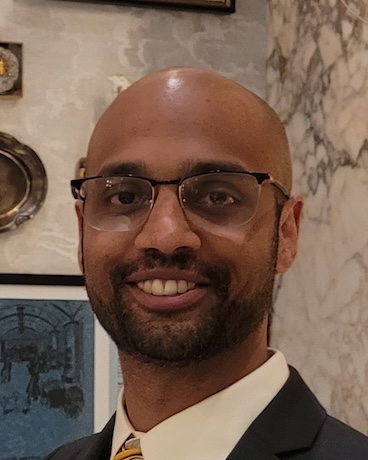
Aris Robertson Foundation-Jane Coffin Childs Fellow
University of California, Berkeley
DNA usually forms a right-handed double-helix, known as the canonical B-form. But DNA can also be wound more tightly or more loosely, called positive and negative supercoiling. DNA supercoiling can impact how genes are regulated yet is difficult to study in its native cellular context. During his thesis research in Zev Bryant, Ph.D.’s lab at… Read more
Aris
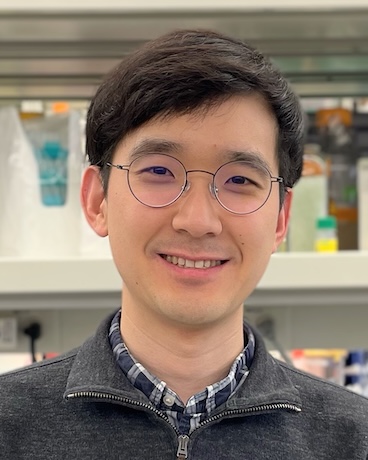
Bae Robertson Foundation-Jane Coffin Childs Fellow
Yale University
Minwoo Bae, Ph.D., believes microbes contain a huge, largely unexplored supply of proteins that can be discovered and engineered for new medical and biotech uses. His past work found microbial proteins with unusual functions. Now, as a Robertson Foundation – Jane Coffin Childs Fellow, he plans to build “Trojan-horse” delivery systems inspired by microbial toxins… Read more
Bae
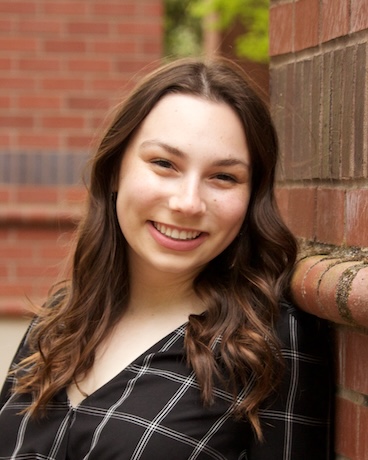
Beyer Robertson Foundation-Jane Coffin Childs Fellow
Oregon State University
Jane Coffin Childs Fellow Jenna Beyer, Ph.D. believes that we are in a golden age of chemical biology, which is a field that uses chemical approaches to manipulate and understand complex biological systems. The illuminating tools that Beyer developed during her Ph.D. research and is developing during her Robertson Foundation – Jane Coffin Childs Fellowship,… Read more
Beyer
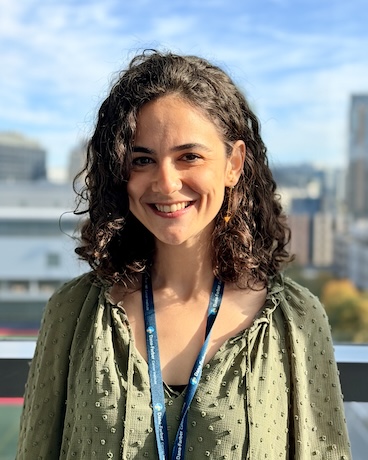
Blasco-Chamarro Hope Funds for Cancer Research-Jane Coffin Childs Fellow
Dana-Farber Cancer Institute
Pediatric brain tumors arise in the developing brain, yet how they interact and communicate with their neighboring cells to promote tumor growth is not well understood. In Laura Blasco-Chamarro’s previous research she discovered how neural stem cells pause cell division to maintain a quiescent state. Now, as a Hope Funds for Cancer Research – Jane… Read more
Blasco-Chamarro
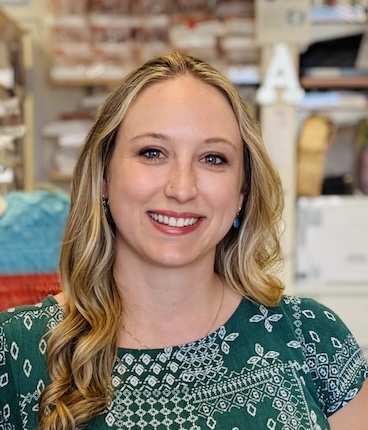
Bond Jane Coffin Childs Fellow
Salk Institute for Biological Studies
There are two ways the body survives an infection, the immune system can kill the germ, or the body can reduce harm from the infection even if the germ isn’t eliminated. Annalise Bond, Ph.D., created a new research tool during her Ph.D. that improved our understanding of how immune cells identify and destroy targets. As… Read more
Bond
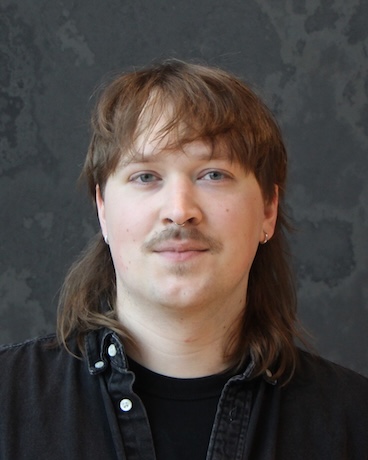
Capek Jane Coffin Childs Fellow
Harvard University
Matthew Capek, Ph.D. believes that by examining how organisms sense and respond to their closest neighbors we can deepen our understanding of basic biology while also gaining insight into human health, disease, and ecosystem stability. During his graduate research he uncovered the distinct ways through which flies sense and adapt to environmental temperatures. Now, as… Read more
Capek
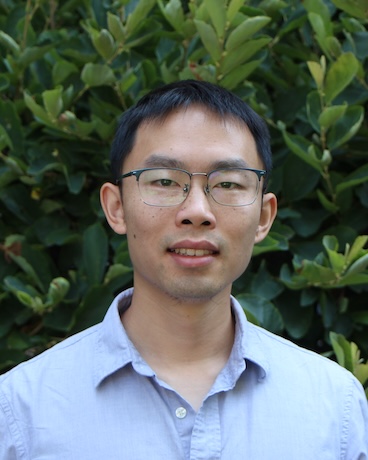
Chen Jane Coffin Childs Fellow
Harvard University
Biology often reuses the same basic “building blocks” for similar functions. Dr. Ruoyu Chen studied RNA–protein clusters (called RNP granules) in fruit fly reproductive cells and made a surprising discovery that changed how scientists think these granules work. Because similar granules also play important roles in neuronal functions, Chen became interested in neuroscience and now… Read more
Chen
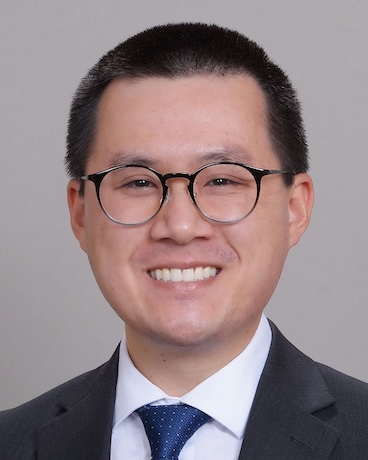
Chow JJJ Charitable Foundation- Jane Coffin Childs Fellow
University of Pennsylvania
As a hematology and oncology fellow, Ryan Chow, M.D., Ph.D., is often faced with the limitations of our current cancer therapies. His goal as a JJJ Charitable Foundation- Jane Coffin Childs Fellow is to build on his graduate work of identifying genetic insults to develop a new class of anti-cancer therapies that function by disarming… Read more
Chow
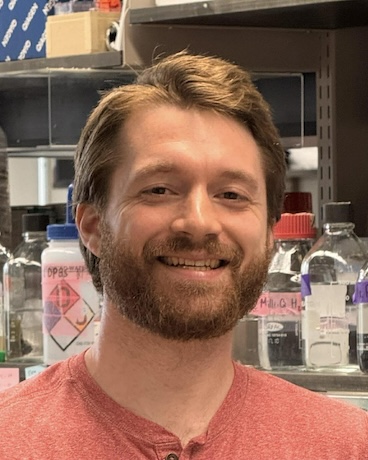
Fenton Achelis and Bodman - Jane Coffin Childs Fellow
Weill Cornell Medicine
Kinesins are motor proteins that “walk” along microtubules to carry cargo inside cells. Adam Fenton, Ph.D., studied how kinesins move mitochondria (the cells’ power source) to where cells need energy. As a Jane Coffin Childs Fellow, he will now investigate a surprising possibility: that a neuron-specific kinesin also helps cancer cells invade other tissues. In… Read more
Fenton
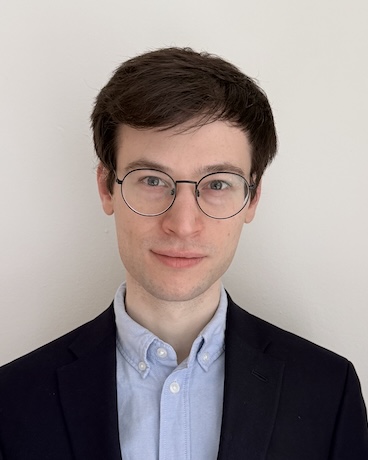
Giuliano Jane Coffin Childs Fellow
Rockefeller University
What does microbial metabolism have to do with finding cancer therapies? Dr. Chris Giuliano thinks studying how microbes share and trade nutrients can help reveal novel ways to treat cancer. His goal is to find important metabolic “give-and-take” interactions between tumors and healthy tissues that could be targeted with drugs. As a graduate student in… Read more
Giuliano
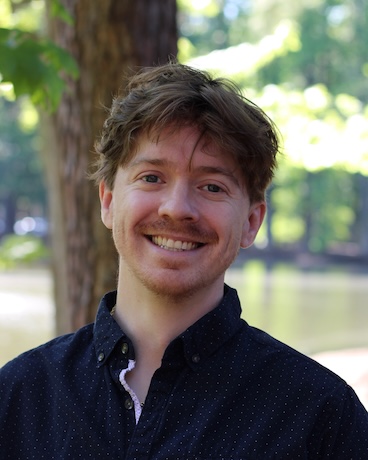
Klemm Robertson Foundation-Jane Coffin Childs Fellow
Duke University
Fly and worm researchers have long debated the unique advantages of their favorite model organism. Dr. Jake Klemm finds that flies provide a powerful genetic toolkit to study animal physiology. He previously used flies to find unexpected roles for proteins involved in cell death processes in tissue repair and regeneration. As a Robertson Foundation –… Read more
Klemm
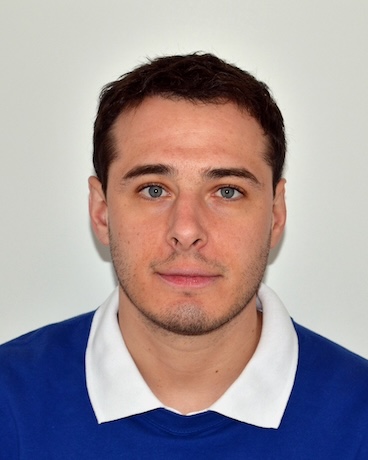
Lanfranchi Robertson Foundation-Jane Coffin Childs Fellow
Stanford University
Francesco (Frank) Lanfranchi, Ph.D. is baffled by how little we truly understand about the neural mechanisms underlying behavior. As a Robertson Foundation – Jane Coffin Childs Fellow, Lanfranchi wants to help fill this knowledge gap by understanding the neural circuits that facilitate how internal goals are maintained and translated into action – one of the… Read more
Lanfranchi
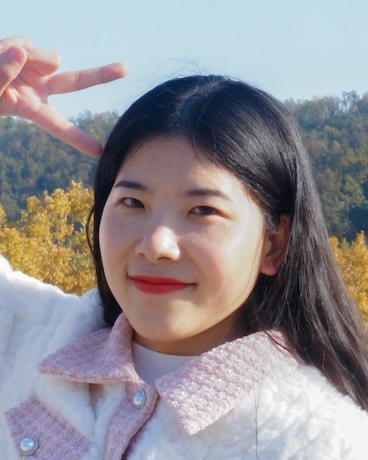
Li Robertson Foundation-Jane Coffin Childs Fellow
University of California, Berkeley
Cells are constantly threatened by pathogens, so they need ways to sense danger and turn on defenses at the right time. In her graduate work, Jing Li, Ph.D., elucidated elegant and mechanistic details of how bacteria know when to fight back against invading bacteriophages. As a Robertson Foundation – Jane Coffin Childs Fellow, Li will… Read more
Li
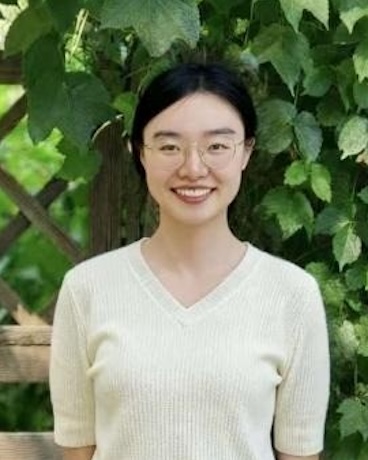
Li Robertson Foundation-Jane Coffin Childs Fellow
Broad Institute
How does a single cell develop into a complete and complex organism? Dr. Mengyao Li is fascinated by the question of how cells, despite sharing an identical genome, achieve such distinct identities and tissue types through epigenetic regulation. During her graduate studies in Fuchou Tang’s lab at Peking University and Kehkooi Kee’s lab at Tsinghua… Read more
Li
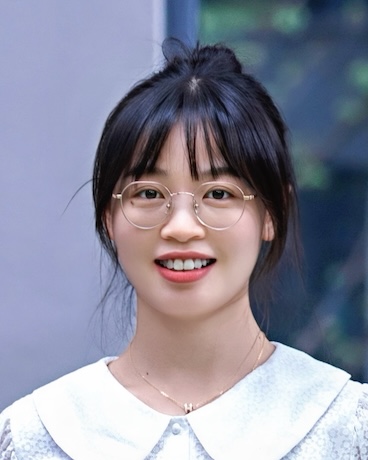
Liang Jane Coffin Childs Fellow
Harvard Medical School
Ke Liang, Ph.D. studies how proteins are transported in cells and why these processes matter for human disease. In her earlier work, Liang used structural biology to map major protein-transport machines. As a Jane Coffin Childs Fellow, she will focus on how proteins are transported into peroxisomes, small organelles found in the cytoplasm that act… Read more
Liang
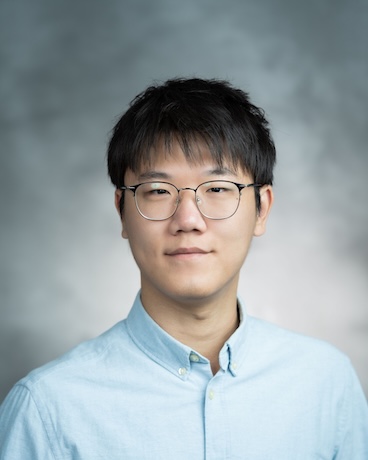
Liu Jane Coffin Childs Fellow
University of Michigan
Jialin Liu, Ph.D., has been building “snapshots” of brain development using single-cell and spatial gene-expression data. But because those datasets were incomplete, he often had to infer how development unfolded rather than directly observe it. Now he aims to create a new way to track neuronal development in space over time inside an intact brain.… Read more
Liu
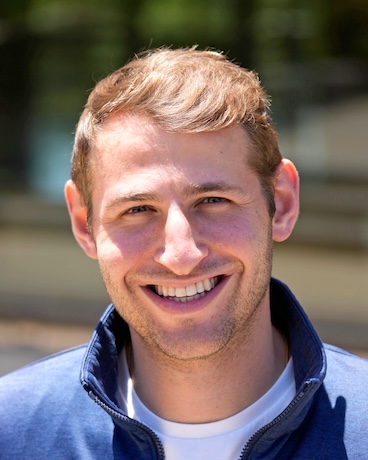
Lowet Jane Coffin Childs Fellow
University of California, Berkeley
Adam Lowet, Ph.D. is fascinated by the neural and computational basis of social behavior in both health and disease. During his graduate work, Lowet used insights from AI to uncover a novel way in which the brain learns from rewards and punishments. As a Jane Coffin Childs Fellow, Lowet will now investigate the computational and… Read more
Lowet
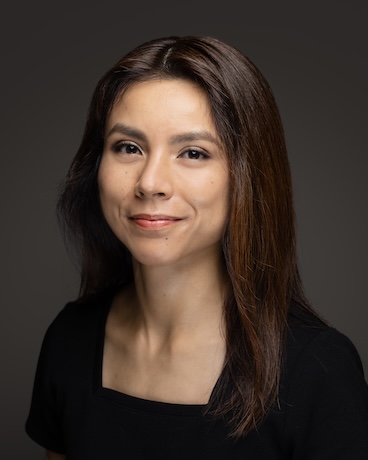
Lyons Jane Coffin Childs Fellow
Stanford University
Heankel Lyons, Ph.D. became motivated to do biomedical research while growing up due to a family member developing a rare neurodegenerative disease. As a JCC Fellow, she will take her expertise from her graduate work on how biomolecular condensates regulate gene activity to ask how condensates regulate neuronal gene expression, how these processes shape normal… Read more
Lyons
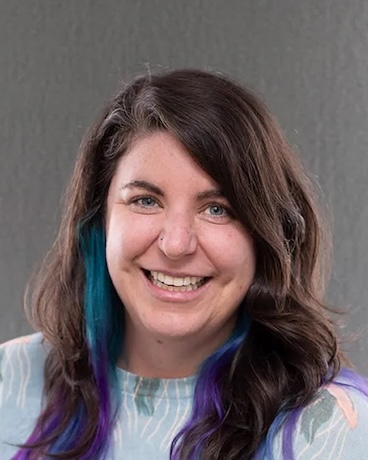
Marshall Jane Coffin Childs Fellow
Stowers Institute for Medical Research
Dr. Kira Marshall has combined her desire to do rigorous molecular research with her passion to preserve threatened species. As a graduate student, Marshall provided keen insights into the molecular mechanisms of spermatogenesis in marsupial and placental mammals. Now, she’ll return to the sea to gain a better understanding of coral reproduction, to uncover ways… Read more
Marshall
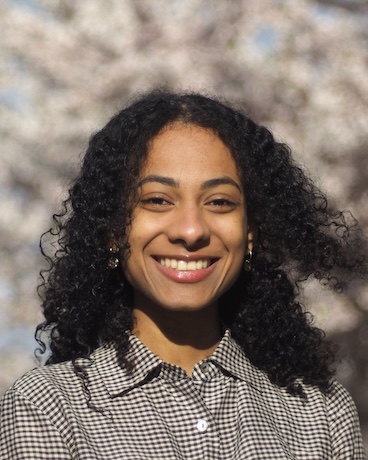
McDowell Merck - Jane Coffin Childs Fellow
Harvard Medical School
Taste can be instructive: for example, the taste of a calorie-rich pastry is highly pleasurable while spoiled food is off-putting. Sasha McDowell, Ph.D.’s graduate research revealed the molecular details of how fruit flies are repelled by too much salt yet attracted to just the right amount. As a Jane Coffin Childs-Merck Fellow McDowell will now… Read more
McDowell
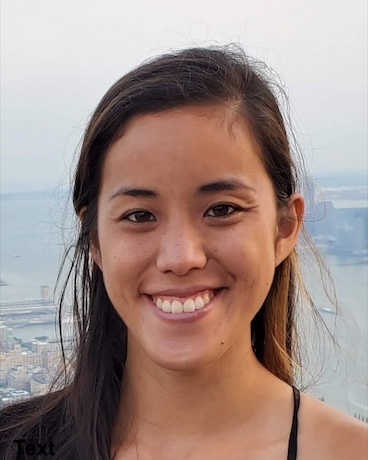
Nakandakari-Higa Jane Coffin Childs Fellow
University of Rochester
Dr. Sandra Nakandakari-Higa wants to understand how a cell’s fate and function are determined. This process is not shaped in isolation; rather, it is shaped through continuous interactions with neighboring cells, forming dynamic networks of communication that orchestrate development, homeostasis, and immune responses. As a Jane Coffin Childs Fellow, she’ll use Labeling Immune Partnerships by… Read more
Nakandakari-Higa
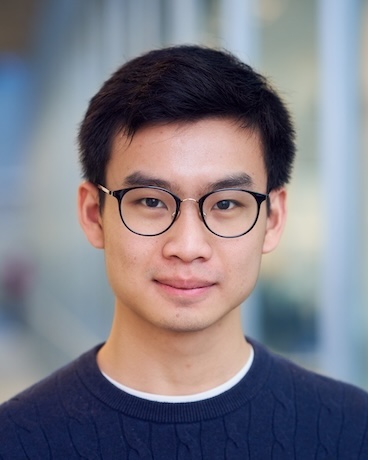
Ng Robertson Foundation-Jane Coffin Childs Fellow
Whitehead Institute for Biomedical Research
KangBo Ng, Ph.D., has long been fascinated by how somatic cells, the non-reproductive cells of the body, and germ cells, the reproductive cells, work together to ensure the proper development of an organism. During his graduate research, Ng studied how these cells organize themselves in space to build the embryo. Now, as a Robertson Foundation… Read more
Ng
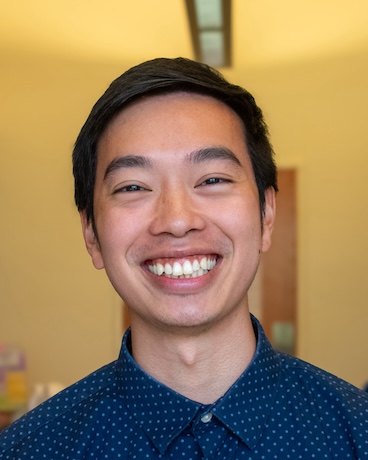
Ngo Robertson Foundation-Jane Coffin Childs Fellow
California Institute of Technology
Jordan Ngo, Ph.D. is interested in uncovering the mechanistic principles that govern organelle biogenesis and membrane assembly in both normal physiology and human disease. As a graduate student, Ngo provided important insight into how extracellular vesicles are formed and how the plasma membrane is repaired. As a Robertson Foundation – Jane Coffin Childs Fellow, Ngo… Read more
Ngo
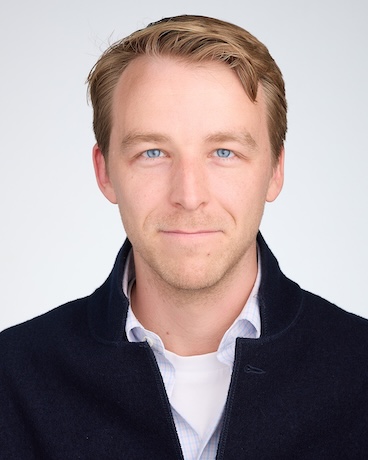
Obers Jane Coffin Childs Fellow
Icahn School of Medicine at Mount Sinai
Andreas Obers, Ph.D. investigates the biological mechanisms that determine whether tissues recover after injury and inflammation or become trapped in persistent, maladaptive states that contribute to chronic disease and aging. Inspired by his graduate research showing that biological responses are shaped by local tissue environments and prior experiences, Obers now explores how a key regulator… Read more
Obers
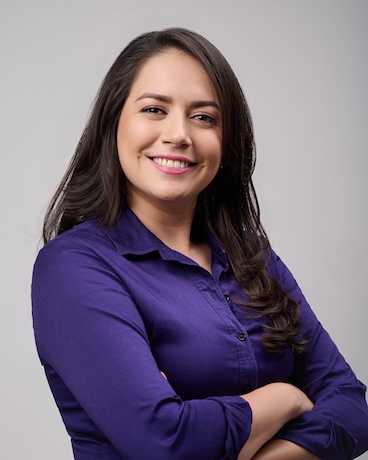
Pacheco Fiallos Jane Coffin Childs Fellow
Massachusetts Institute of Technology
Belén Pacheco-Fiallos, Ph.D. studies how gene activity is regulated. Although scientists know the structures of many individual parts, a major next step is learning how these molecular “machines” work together. In graduate school, she studied how cells export the right messenger RNAs (mRNAs) from the nucleus out of roughly 20,000 different transcripts. As a Jane… Read more
Pacheco Fiallos
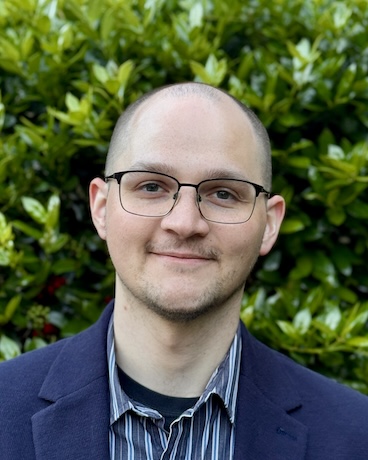
Price Jane Coffin Childs Fellow
University of North Carolina at Chapel Hill
Jane Coffin Childs Fellow Ian Price, Ph.D., studies how living things survive extreme stress. He focuses on tardigrades, microscopic animals that can survive the vacuum of space, extreme radiation, and being dried out completely for years before rehydrating and carrying on living. For his thesis research in Wen Tang’s lab at The Ohio State University… Read more
Price
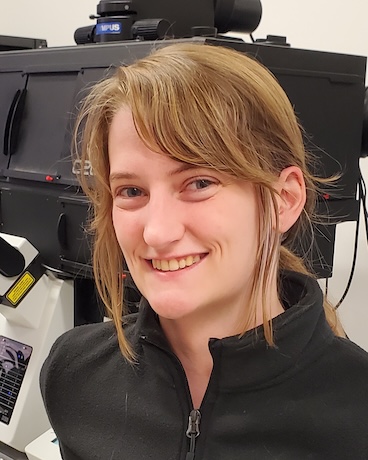
Prichard Jane Coffin Childs Fellow
University of California, Los Angeles
Amy Prichard, Ph.D., aims to understand how viruses reorganize their host cells to protect themselves from host defenses. During her Ph.D. research, Prichard examined how a family of bacteriophage, viruses that infect bacteria, build replication compartments in bacterial cells to shield viral genome replication from host defenses. Now, as a Jane Coffin Childs Fellow, Prichard… Read more
Prichard
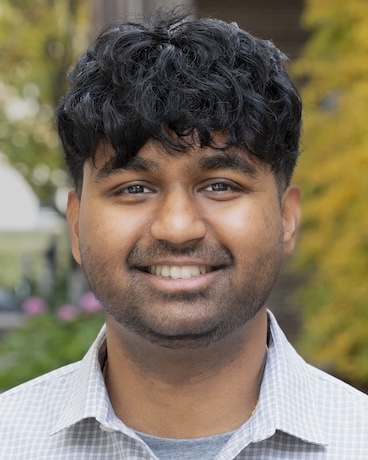
Rajasekaran Robertson Foundation-Jane Coffin Childs Fellow
University of California, San Francisco
Rohith Rajasekaran, Ph.D., wants to study how naturally evolved molecular systems can be redesigned to program new cellular behaviors. Rajasekaran’s previous research repurposed a bacterial positioning system to turn mammalian cells into “two-way radios” that can send and receive biological information. Now, as a Robertson Foundation – Jane Coffin Childs Fellow, Rajasekaran will rewire T… Read more
Rajasekaran
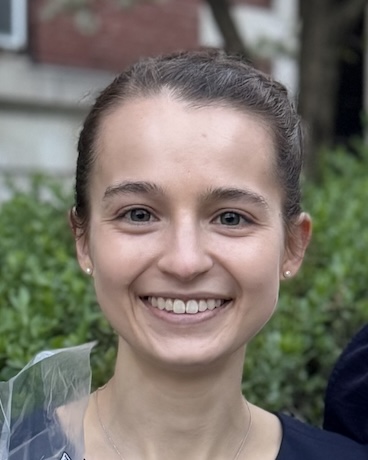
Sargen Jane Coffin Childs Fellow
Princeton University
Viruses have immense potential to influence the fates of individual cells, multicellular communities, and entire organisms. Nonetheless, vast gaps exist in our understanding of the interactions between viruses and their host cells. Molly Sargen, Ph.D., is specifically fascinated by how some viruses can co-exist with their hosts even though the interests of a virus and… Read more
Sargen
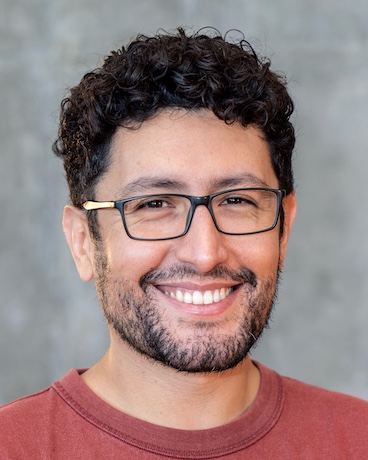
Tenjo Castano Merck - Jane Coffin Childs Fellow
Columbia University
Francisco Tenjo Castaño, Ph.D. studies how DNA changes over time. In graduate school, he solved new protein structures showing how CRISPR-associated transposons (CAST) insert new DNA into the genomes of their bacterial hosts. As a Jane Coffin Childs-Merck Fellow, he will now study LINE-1, a major human DNA “jumping gene” that can reshape our genome… Read more
Tenjo Castano
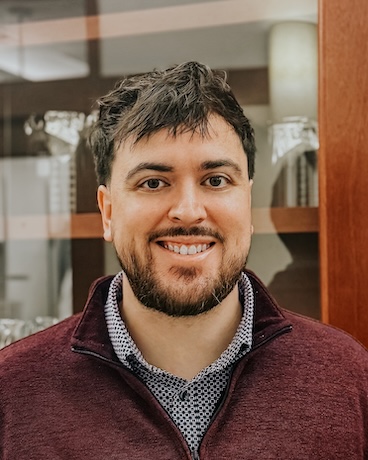
Whitley Jane Coffin Childs Fellow
Rutgers University
James Whitley, Ph.D. has always been a fan of the underdog, and he notes that in neuroscience this tag applies broadly to any structure outside of the cortex. In his Ph.D., he showed that these regions do more than pass information along. As a Jane Coffin Childs Fellow, he will now study the brainstem, asking… Read more
Whitley
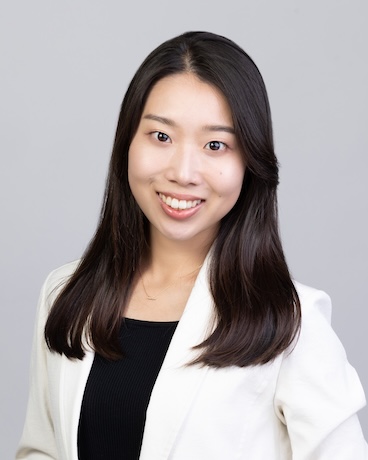
Yoshimoto Jane Coffin Childs Fellow
Stanford University
Airi Yoshimoto, Ph.D. was influenced by her pharmacy training and a patient experience that showed her how early-life stress can affect brain development. Inspired by this experience, Yoshimoto focused her graduate work on how the brain controls body functions like heart rate. As a Jane Coffin Childs Fellow, she will study how hypothalamic circuits form… Read more
Yoshimoto