Class of 2023
Boston University
Sponsor: Dr. Elliott Hagedorn and Dr. Christopher ChenManipulating vascular endocytosis to direct blood and immune cell migration
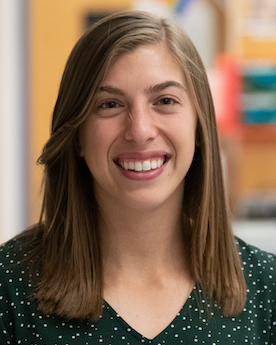
The vascular system transports blood and immune cells throughout the body. Yet, how these cells selectively cross the endothelium and enter the appropriate cellular tissues is unclear. Dr. Gwendolyn Beacham will explore the fundamental mechanisms underlying this endothelial transmigration in Dr. Elliott Hagedorn’s and Dr. Christopher Chen’s labs at Boston University. Beacham predicts that endocytosis is important for this process and has identified candidate proteins by investigating blood stem cells. She will use zebrafish as a model system to validate her preliminary findings. Then, Beacham will use this understanding to engineer blood vessels with controllable endothelial transmigration in zebrafish and in human cell culture. This research may help improve the efficiencies of cancer therapies that rely on endothelial transmigration, such as bone marrow transplants and engineered CAR T-cells.
As a Ph.D. student in Dr. Gunther Hollopeter’s lab at Cornell University, Beacham investigated clathrin-mediated endocytosis. In particular, she discovered that endocytosis is inactivated via phosphorylation of the clathrin Adaptor Protein 2. These findings revealed a novel regulatory mechanism for endocytosis and set up Dr. Beacham to explore how endocytosis contributes to endothelial transmigration.
University of California, San Diego
Sponsor: Dr. Elizabeth VillaIn situ structure of WT and PD mutant LRRK2 on cellular membranes
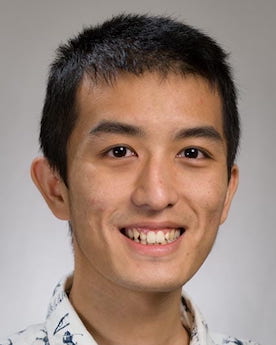
Mutations in LRRK2, a multi-domain kinase and GTPase, is the most frequent cause of familial Parkinson’s disease. However, we currently lack the detailed understanding of LRRK2 function that could lead to therapeutics for Parkinson’s. Dr. Siyu Chen will use cryo-EM and cryo-ET to study LRRK2 and its mutants in biochemical reconstitutions and in cells. Dr. Chen will conduct these experiments in Dr. Elizabeth Villa’s lab at the University of California, San Diego. These experiments will directly visualize the molecular mechanisms of LRRK2 and interacting partners’ function in the cell, and how pathogenic mutations disrupt these processes. Therefore, Dr. Chen’s research may inform on novel therapies for Parkinson’s disease.
As a graduate student in Dr. Yuan He’s lab at Northwestern University, Chen studied DNA double-strand break repair. Specifically, Dr. Chen used Cryo-EM to solve two key intermediate states in the non-homologous end-joining pathway (NHEJ). These structures revealed novel interaction surfaces between NHEJ proteins and allowed Dr. Chen to propose a near complete reaction cycle for NHEJ. Dr. Chen will now apply his cryo-EM expertise to LRRK2 and will use cryo-ET to visualize LRRK2 in cells.
University of Utah
Sponsor: Dr. Nels EldeEvolutionary immunology in Tetrahymena
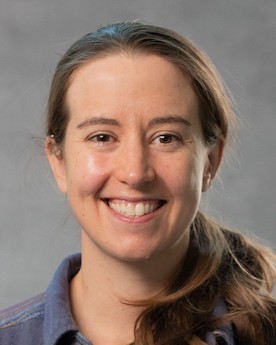
A wide range of organisms – such as nematodes, sea anemones, and bacteria – possess immune defenses to protect themselves against infectious microbes and viruses. Yet studying the interactions between hosts and infectious microbes remains limited to a handful of species. Dr. Katherine Deets will expand this list by examining the interactions between Tetrahymena thermophila and viruses in Dr. Nels Elde’s lab at the University of Utah. Dr. Deets is currently identifying novel viruses that infect Tetrahymena, and working to understand how Tetrahymena defend themselves against these viruses. This research will unlock a new experimental platform with powerful genetic tools for diversifying studies of the evolution of host-virus interactions.
As a graduate student, Deets investigated host-microbe interactions in the context of the mouse small intestine in Dr. Russell Vance’s lab at the University of California, Berkeley. Dr. Deets discovered a novel mode of antigen presentation that only occurs following inflammasome activation. This finding revealed a new connection between innate and adaptive immunity in the intestine. Dr. Deets will use her experience in host-microbe interactions to expand our understanding of immune defense in diverse.
Duke University
Sponsor: Dr. Stefano Di Talia and Dr. Kenneth PossDissecting the Dynamics of Tissue Patterning During Regeneration
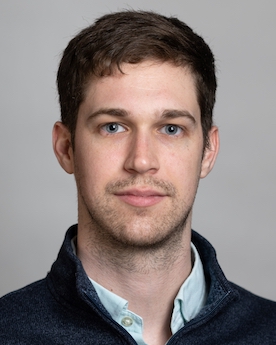
Many animals, including zebrafish, have the ability to regenerate limbs, tails, or fins following amputation. The regeneration process is thought to faithfully reconstruct the appendage, yet it is unknown how spatial and temporal dynamics in gene expression and cell-signaling pathways control regrowth. Dr. Rocky Diegmiller will use quantitative imaging approaches to investigate morphological and patterning dynamics in regrowth of the paired zebrafish pectoral fin. Diegmiller will conduct these studies in Dr. Stefano Di Talia’s and Dr. Kenneth Poss’ labs at Duke University. Diegmiller will explore how gene expression patterns are re-formed following amputation, and throughout regeneration. These studies will reveal insights into the dynamics and robustness of regeneration, and will dissect how multiple signaling pathways are integrated to ensure faithful regeneration. Furthermore, these studies will generate quantitative tools for studying regeneration that can be applied to other systems.
As a graduate student, Diegmiller used mathematical models and imaging to investigate developmental biology in Dr. Stanislav Shvartsman’s lab at Princeton University. Specifically, Dr. Diegmiller used the Drosophila germline cyst as a model system to investigate cell polarity and the emergence of symmetry breaking mechanisms in cell clusters. With his multidisciplinary background in developmental biology, Dr. Diegmiller hopes his research will also yield important connections and distinctions between developmental and regenerative pathways.
Vanderbilt University Medical Center
Sponsor: Dr. Eric SkaarDefining how Clostridioides difficile engages in microbial warfare.
Clostridioides difficile infection (CDI) is the leading cause of hospital-acquired and antibiotic-associated intestinal infections. However, we do not currently have a clear understanding of CDI pathogenesis, which impedes the development of additional therapeutic strategies. Dr. Martin Douglass will investigate how CDI overcomes the human microbiota and immune system in Dr. Eric Skaar’s lab at Vanderbilt University Medical Center. Dr. Douglass will examine how CDI competes for nutrients with the microbiota and immune system. Furthermore, Dr. Douglass will identify which CD genes are required for host colonization and persistence. These studies may provide insight into novel therapeutic targets for treating CDI.
As a graduate student in Dr. M. Stephen Trent’s lab at the University of Georgia, Douglass examined the outer membrane of Gram-negative bacteria. Dr. Douglass discovered novel proteins that are required for the transport of lipids to the outer membrane. These studies provide potential therapeutic targets for novel antibiotics and provide Douglass with a solid foundation for interrogating new targets in CDI.
Johns Hopkins University School of Medicine
Sponsor: Dr. Seth BlackshawUsing single cell transcriptomics to understand homeostatic sleep pressure
Sleep disorders are common and negatively impact our quality of life and biological health. Yet, how the brain encodes the need for restorative sleep is poorly understood. Dr. Leah Elias will investigate the cellular circuits and molecular signals that encode sleep pressure in Dr. Seth Blackshaw’s lab at Johns Hopkins University School of Medicine. Using single nucleus RNA sequencing, Dr. Elias has identified a cluster of neurons that are activated by sleep deprivation. Furthermore, she has identified candidate genes that are differentially regulated in response to sleep deprivation. She will leverage these findings to mechanistically dissect sleep signals in the brain at the cellular and molecular levels. Dr. Elias’ research has important implications for the basic biology of sleep and may reveal novel therapeutic targets for sleep and metabolic disorders.
As a PhD student in Dr. Ishmail Abdus-Saboor‘s lab at the University of Pennsylvania, Dr. Elias studied the neural circuitry controlling social touch. Specifically, she identified a new pathway that connects social touch in the skin to reward circuits in the brain. With this background in neural circuitry, Dr. Elias will now investigate how the need for sleep is encoded in the brain.
Stanford University
Sponsor: Dr. Eric KoolIdentification of Small Molecule Ligands for c-Myc mRNA
c-Myc is a transcription factor and an attractive therapeutic target as it drives the majority of human cancers. However, inhibiting c-Myc at the protein level is difficult, in part due to its intrinsically disordered structure. Dr. Sheng Feng aims to circumvent this problem by inhibiting c-Myc mRNA with small molecules. Dr Feng will use a fragment-based approach using an RNA-biased library that is functionalized to improve affinity for RNA. Dr. Feng will tether fragments that bind to adjacent RNA sites to improve binding affinity and selectivity. These experiments will be conducted in Dr. Eric Kool’s lab at Stanford University. Dr. Feng’s research will explore a new route for inhibiting an important target in oncology and represents a general method for inhibiting other difficult protein targets.
As a graduate student in Dr. Stephen Buchwald’s lab at the Massachusetts Institute of Technology, Feng developed copper hydride-catalyzed bond forming reactions that are highly regio- and stereoselective. Such reactions produce important substructures for pharmaceuticals, agrochemicals, and natural products. Dr. Feng’s background in organic chemistry has prepared her to design and prepare small molecule ligand libraries for targeting c-Myc mRNA.
Massachusetts General Hospital
Sponsor: Dr. Luke ChaoIn situ cryoET analysis of cristae biogenesis and morphology
Mitochondria generate energy needed to power cells and multicellular organisms. Wrinkles in the inner mitochondrial membrane, known as cristae, concentrate molecular motors for energy production. However, it is unclear how the wrinkly cristae are formed. Dr. Michelle Fry will use a clever approach to investigate cristae formation in cells. She will introduce candidate protein/protein complexes into parasitic protist mitochondria. These mitochondria are smooth, making them amenable for testing with proteins are sufficient to generate cristae. Dr. Fry will use advanced electron microscopy techniques to image changes in mitochondrial morphology. Fry will conduct these studies in Dr. Luke Chao’s lab at Massachusetts General Hospital. These experiments will provide fundamental insights into mitochondrial biology and may provide clues for mitochondrial pathological dysfunction.
As a graduate student in Dr. Bil Clemons lab at the California Institute of Technology, Fry used structural biology to study the targeting of membrane proteins to the endoplasmic reticulum. Specifically, Dr. Fry captured several structural conformations of a protein chaperone, Get3. Fry demonstrated how conformational flexibility is important for Get3 to integrate multiple regulatory signals (binding partners, client proteins, nucleotide binding and hydrolysis). Dr Fry is now excited to use cryo-electron tomography to capture the conformational landscape of proteins that regulate mitochondrial cristae formation in cells.
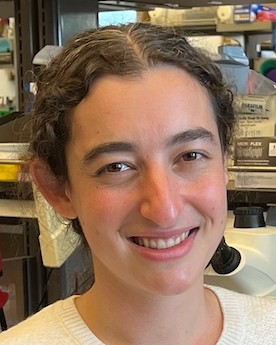
University of California, Berkeley
Sponsor: Dr. Andrew DillinThe role of ribosome stalling in the regulation of longevity
Aging is a complex physiological process coordinated across tissues within an organism. Loss of protein homeostasis is a hallmark of aging, yet it is not understood why dysregulation in protein synthesis occurs, and if this dysregulation drives aging pathologies. Dr. Naomi Genuth will investigate these questions in Dr. Andrew Dillin’s lab at the University of California, Berkeley. Dr. Genuth will use C. elegans to visualize protein synthesis patterns in vivo in different tissues during the aging process. Ultimately, Genuth aims to define the molecules that contribute to dysregulation of protein synthesis and see whether manipulation of these molecules can delay and/or prevent the aging process. Dr. Genuth’s research will improve our understanding of changes in protein synthesis during aging at the molecular, cellular, and organismal levels, and may reveal new therapeutic strategies for aging pathologies.
As a Ph.D. student in Dr. Maria Barna’s lab at Stanford University, Genuth investigated the role of translational regulation in gene expression. Specifically, she developed a quantitative roadmap of how ribosome composition changes during human embryonic stem cell differentiation. Dr. Genuth will now investigate protein synthesis during aging in Dr. Dillin‘s lab.
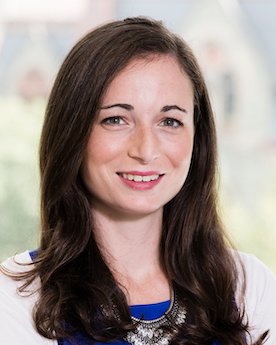
Massachusetts Institute of Technology
Sponsor: Dr. Fan WangCentral control of the autonomic nervous system in chronic pain and anxiety
Medication for chronic pain often leads to addiction. Dr. Nitsan Goldstein thinks this may be because around one third of people experiencing chronic pain also suffer from anxiety. Additionally, anxiety is a strong predictor of chronic pain development. Dr. Goldstein predicts that targeting pain and pain-induced anxiety together may reduce chronic pain symptoms. She has identified neurons that are anxiolytic and will test their functional relationship with pain-induced anxiety and a chronic pain-like state. Goldstein will conduct her experiments in Dr. Fan Wang’s lab at the Massachusetts Institute of Technology. Dr. Goldstein hopes that investigating both the central and peripheral causes of chronic pain and anxiety will open avenues for more effective pain treatments.
As a graduate student in Dr. J. Nicholas Betley’s lab at the University of Pennsylvania, Goldstein investigated how the brain regulates food intake. Specifically, Dr. Goldstein discovered that the activation of hunger circuits enhances dopamine release, which is critical for motivating humans to seek rewards like food. These studies helped reveal new relationships between neural programs and have prepared Dr. Goldstein to investigate the relationship between chronic pain and anxiety.
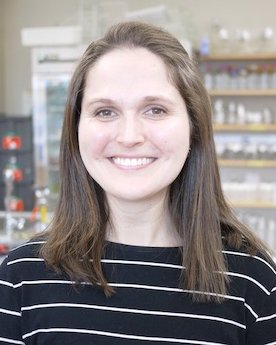
Harvard University Medical School
Read more
Harvard University Medical School
Sponsor: Dr. L. Stirling ChurchmanUncovering the regulation and function of nuclear mRNA degradation
mRNA degradation is an important step in gene expression that is traditionally thought to occur in the cytoplasm. However, a recent genome-wide study uncovered a class of genes whose transcripts are predicted to be primarily degraded in the nucleus. Yet, it is unclear how and why these mRNAs undergo nuclear degradation. Dr. Chantal Guegler will use both candidate- and screening-based approaches to determine which pathways are important for nuclear mRNA degradation, and how this process influences cellular physiology. Dr. Guegler will conduct this research in Dr. Stirling Churchman’s lab at Harvard Medical School. This work will reveal the key determinants of nuclear mRNA degradation and how this process contributes to gene expression regulation.
As a graduate student, Guegler studied bacterial toxin-antitoxin (TA) systems and their role in protecting against bacteriophage infection in Dr. Michael Laub’s lab at the Massachusetts Institute of Technology. There, Dr. Guegler demonstrated that the RNase toxin ToxN cleaves phage mRNAs to disrupt the translation and assembly of viral particles. Interestingly, Guegler also demonstrated that T4 phage can combat ToxN using the phage-encoded antitoxin TifA that sequesters RNA-bound ToxN to prevent it from degrading additional phage mRNAs. With her background in RNA degradation in bacterial TA systems, Dr. Guegler will now investigate nuclear mRNA degradation in eukaryotic cells.
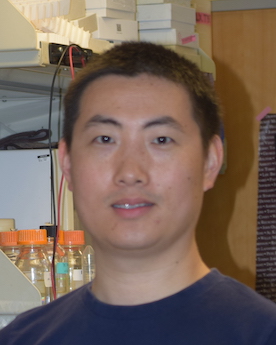
Fred Hutchinson Cancer Center
Sponsor: Dr. Sue BigginsElucidate the dynamics of kinetochore assembly by single-molecule imaging
Aneuploidy is a hallmark of cancer development and occurs due to defects in chromosome segregation. The kinetochore, a complex consisting of over 100 different types of proteins, is required for the proper segregation of chromosomes. However, we lack an in depth understanding of the step-by-step assembly process resulting in a functional kinetochore due to the extreme molecular and temporal complexity of this complex. Dr. Changkun Hu will reconstitute kinetochore assembly in vitro and use TIRF microscopy to measure individual kinetochore protein recruitment times in Dr. Sue Biggins’ lab at the Fred Hutch. This approach will allow Dr. Hu to determine rate-limiting steps and key regulating mechanisms in kinetochore assembly and will serve as a blueprint for future studies examining the assembly of other large complexes. Furthermore, this work may reveal novel trouble points in chromosome segregation that lead to aneuploidy in cancer.
As a PhD student in Dr. Nicholas Wallace’s lab at Kansas State University, Dr. Hu’s research focused on the repair of DNA double-strand breaks (DSBs). Dr. Hu demonstrated that beta human papillomavirus type 8 protein E6 (8E6), long known to impair traditional DNA-repair pathways, also promotes DNA repair via a mutagenic DSB repair pathway termed alternative end joining. In this way, 8E6 promotes cancer development by increasing genomic instability. Dr. Hu will now pivot to study genome stability at the chromosome level in Dr. Biggins’ lab.
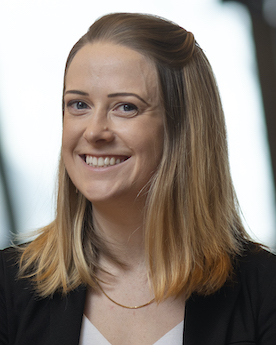
Harvard University
Sponsor: Dr. Mansi SrivastavaHow to build (and rebuild) an animal
Many animals are capable of whole-body regeneration, enabling the regrowth of missing structures to their original size and shape after major amputation. Most studies investigating this phenomenon have focused on the transcriptional control of differentiation from adult pluripotent stem cells. However, Dr. Allison Kann predicts that an important, yet underappreciated, aspect of regeneration is the role of cell adhesion. Regeneration from stem cells requires free progenitor cells to unite and integrate into multicellular tissues and organs. Dr. Kann will use Hofstenia miamia, a genetically tractable invertebrate model system to investigate the disassembly, formation, and remodeling of cellular junctions during regeneration. Kann will conduct these studies in Dr. Mansi Srivastava’s lab at Harvard University. These studies will reveal new principles of regeneration and identify mechanisms that cells use to converge into multicellular structures.
As a graduate student in Dr. Robert Krauss’ lab at Icahn School of Medicine at Mount Sinai, Kann investigated the activation of muscle stem cells. She identified that cytoskeletal regulation is a key driver of muscle stem cell fate decisions and demonstrated how stem cells transduce injury signals into activation. With her background in adult stem cell biology, Dr. Kann is now ready to investigate how cellular interactions between progenitor cells regulate organismal regeneration.
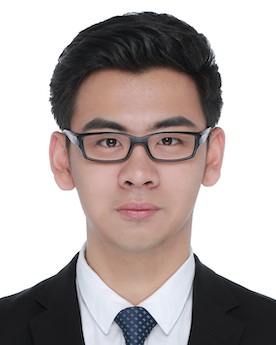
Broad Institute of MIT and Harvard
Sponsor: Dr. Bo XiaDeciphering the Molecular Mechanisms of Alternative Splicing Regulation via Intronic Transposable Elements
As a PhD student in Dr. Tao Liu‘s lab at Peking University, Ling used unnatural amino acid technology to improve the genome-editing and cost efficiencies of CRISPR Cas9/Cas12a genome editors. This prior experience in optimizing genome engineering strategies will assist Dr. Ling in developing an agile cellular targeting platform to identify novel cancer immunotherapy targets.
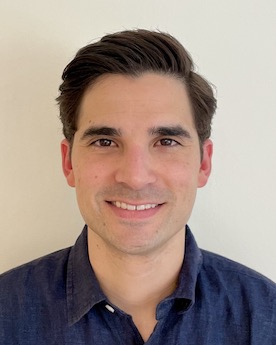
Dana-Farber Cancer Institute
Sponsor: Dr. Lewis CantleyDetermining the mechanism of sugar sensing in the Mondo pathway
Organisms adapt to scarce and bountiful nutrient environments by employing nutrient signaling pathways. Sugar is a rich source of energy and carbon for organisms, Dr. Jose Orozco will explore sugar-sensing pathways using biochemical and genetic approaches to discover sugar-regulated kinases and their roles in metabolic adaptation. Dr. Orozco will conduct his work in Dr. Lewis Cantley’s lab at Dana-Farber Cancer Institute. These studies may reveal a new therapeutic target to alleviate metabolic maladaptive responses to the chronic overconsumption of sugars and carbohydrates.
As a graduate student in Dr. David Sabatini’s lab at Massachusetts Institute of Technology, Orozco investigated the nutrient-regulated pathway that controls the target of rapamycin complex 1 (mTORC1) kinase. Specifically, Dr. Orozco discovered a new amino acid sensor that integrates S-adenosylmethionine levels, identified a metabolic product of glycolysis that communicates with mTORC1, and discovered new genes in the mTORC1 pathway. Dr. Orozco will continue pursuing his interests in the link between metabolism and signal transduction pathways in his investigations of MondoA.
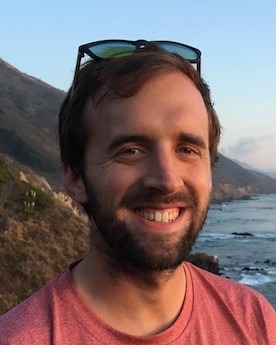
University of California, Berkeley
Sponsor: Dr. Yvette FisherExploring mechanisms for flexible learning in higher-order neural circuits
As we learn new behaviors, we still have to remember old behaviors as well. Thus there is a tension between the flexibility in learning and the stability of maintaining behaviors. Dr. Mark Plitt proposes that neural circuits resolve this tension by using neuromodulation to adaptively switch between stable and labile states. He will investigate these questions in Dr. Yvette Fisher’s lab at the University of California, Berkeley. There, Dr. Plitt will use a fly’s head direction circuit – a neuronal representation of the fly’s orientation in space – to investigate the tradeoffs between flexibility and stability. Dr. Plitt predicts that different neurotransmitters will reinforce learning and maintenance of memory. By developing this powerful model system, Dr. Plitt hopes to uncover physiological and computational principles that govern flexible learning.
As a graduate student in Dr. Lisa Giocomo’s lab at Stanford University, Plitt investigated hippocampal “place” cell remapping – a cellular process that encodes an animal’s memory-guided navigation. Specifically, Dr. Plitt demonstrated that hippocampal remapping patterns are predictably driven by an animal’s prior experience. This expertise in memory establishment will assist Dr. Plitt in investigating the tradeoff between stability and flexibility during adaptive learning.

University of California, San Francisco
Read more
University of California, San Francisco
Sponsor: Dr. Massimo ScanzianiTransmission of visual information from the retina to the hippocampus
The hippocampus is a mental GPS that uses visual information to determine relative location. However, the neural pathways that convey visual information to the hippocampus are unknown. Dr. Chinmay Purandare will investigate this information transmission in Dr. Massimo Scanziani’s lab at the University of California, San Francisco. Dr. Purandare will use a novel set of visual cues, developed during his graduate studies, to directly activate hippocampal neurons and determine which visual brain regions are informing the hippocampus. Furthermore, Purandare would probe if the visual information conveyed is different depending on whether the subject is moving versus externally generated visual motion. Dr. Purandare’s research will further our understanding of circuit level connections between visual pathways and the hippocampus.
As a graduate student in Dr. Mayank Mehta’s lab at the University of California, Los Angeles, Purandare explored the minimal set of cues necessary for driving hippocampal responses. He developed novel visual stimuli and found that the hippocampus responds like sensory cortices when presented with these cues. This research led Dr. Purandare to the question of how these visual cues reach the hippocampus, which he will now explore in Dr. Scanziani’s lab.
Broad Institute
Sponsor: Dr. Vamsi MoothaPost-transcriptional regulation of mitochondrial biogenesis
Oxidative phosphorylation is a central metabolic pathway that occurs within mitochondria. Decline in oxidative phosphorylation capacity is observed during aging and in many diseases. Dr. Sahana Rao aims to investigate how a tumor suppressor gene also suppresses mitochondrial biogenesis. Dr. Rao will also use a genome-wide screen to identify novel regulators of mitochondrial biogenesis. Rao will conduct these studies in Dr. Vamsi Mootha’s lab at the Broad Institute. Collectively, these studies will provide insight into the regulation of mitochondrial biogenesis. They may also inform on mitochondrial dysregulation in aged or diseased states.
As a graduate student in Dr. Daniel Bachovchin’s lab at Memorial Sloan Kettering Cancer Center, Rao investigated inflammasomes – innate immune sensors that detect pathogenic signals and form large signaling complexes to alert immune cells. Dr. Rao’s studies elucidated molecular mechanisms of the activation of two inflammasome proteins, NLRP1 and CARD8, and established new tools to activate inflammasomes. With her extensive training as a chemical biologist, Rao will now study cellular metabolism and mitochondrial biogenesis in her postdoc.
Whitehead Institute for Biomedical Research
Read more
Whitehead Institute for Biomedical Research
Sponsor: Dr. Jonathan Weissman and Dr. Kipp WeiskopfOrigin and function of macrophage heterogeneity in the tumor
Tumor-associated macrophages (TAMs) are the most abundant innate immune cell type in tumors. TAMs can either inhibit or support tumor progression, though it is unclear how their dichotomous functions are regulated. Dr. Alexandra Schnell predicts that the functional heterogeneity of TAMs may be due to distinct lineage origins and cell plasticity. To investigate these hypotheses, Dr. Schnell is developing a myeloid-specific lineage tracing tool to track TAM heterogeneity in tumors, and in response to immunotherapies. Schnell will conduct these experiments in Dr. Jonathan Weissman’s and Dr. Kipp Weiskopf’s labs at the Whitehead Institute. By better understanding TAM heterogeneity, Schnell hopes to enable the development of TAM-targeted cancer immunotherapies that specifically target tumor-promoting macrophages.
During her PhD, Schnell studied the fundamental mechanisms of the immune system in Dr. Vijay Kuchroo’s lab at Harvard Medical School. There, Dr. Schnell performed lineage tracing of immune cells during autoimmune inflammation. Her studies provided a mechanism for how homeostatic intestinal immune cells act as a reservoir for pathogenic inflammation elsewhere in the body. With this background in immunity and lineage tracing, Dr. Schnell will now investigate how the heterogeneity of tumor immune cells can be leveraged to generate new cancer immunotherapies.
University of California, Berkeley
Sponsor: Dr. Jennifer DoudnaPredicting the speed and accuracy of CRISPR-Cas genome editing
CRISPR-Cas enzymes are versatile tools for gene editing and research applications such as transcriptional regulation and imaging. The speed and accuracy of CRISPR-Cas enzymes are crucial, yet how they identify a unique ~ 20-base-pair target within billions of base pairs in the genome is still unclear. Dr. Honglue Shi aims to obtain a more quantitative and predictive understanding of how natural and engineered CRISPR-Cas enzymes rapidly and accurately target specific DNA sequences in Dr. Jennifer Doudna’s lab at the University of California, Berkeley. Shi will use structure-guided biochemistry to develop a kinetic model for CRISPR-Cas9 search speed and accuracy. He will then test the generality of the model on additional CRISPR enzymes and ancestral RNA-guided TnpB enzymes. This research is fundamental to understanding both the evolutionary history of RNA-guided enzymes and the utility of these systems for genome editing. In the future, these results will enable predictions and design of genome editing functions that are not possible or practical today and will greatly accelerate the field as well as the precision and outcomes of next-generation genome editing tools.
As a Ph.D. student in Dr. Hashim Al-Hashimi’s lab at Duke University, Shi focused on the development of biophysical approaches such as NMR spectroscopy to extend the description of nucleic acids from static structures to dynamic ensembles, which results in a deeper and more predictive understanding of how nucleic acids are being recognized by other biomolecules. Having developed this expertise in nucleic acid biophysics and perspectives in dynamic ensembles, Dr. Shi is ready to elucidate the properties that define the best genome editors in Dr. Doudna’s lab.
Duke University
Sponsor: Dr. David SherwoodDetermining how basement membranes stretch and recover to support tissues
Dr. Adam Wei Jian Soh will investigate how the basement membrane (BM), a sheet-like extracellular matrix that encloses tissues, stretches in mechanically-active tissues in Dr. David Sherwood’s lab at Duke University. Dr. Soh will use C elegans ovulation as a novel model system for examining BM stretching and recovery. Soh has performed a localization screen and identified candidate proteins that are likely important for BM dynamics. He will follow up on these findings by determining which proteins are functionally important for the stretching and recovery of BMs. Soh hypothesizes that type IV collagen is critical for stretching tissues as genetic defects in this gene lead to vasculature hemorrhaging and muscle dysfunction. This research may also identify novel genes that are critical for tissue support and are mutated in human disease.
Previously, Dr. Soh investigated the mechanics of motile cilia beating as a PhD student in Dr. Chad Pearson‘s lab at the University of Colorado Anschutz Medical Campus. Specifically, he discovered a novel intracellular mechanism involving the cortical cytoskeleton network that regulates cilia beating synchronization. Through this research Soh developed expertise in imaging techniques and cellular biophysics. This experience has prepared Dr. Soh for his current project dissecting basement membrane dynamics.
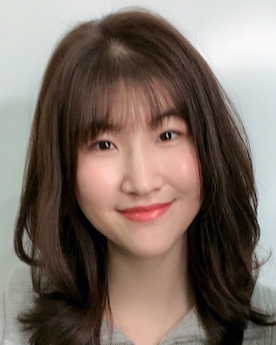
University of California, San Francisco
Sponsor: Dr. Loren FrankCortical-hippocampal Neural Dynamics Underlying Model-based Planning
When planning or troubleshooting, we often contemplate possible actions and imagine their outcomes based on prior knowledge. The hippocampus has been implicated in our ability to imagine possible futures, yet it is unclear how future representations are regulated and what functions they subserve. Dr. Xulu Sun will explore the anatomical underpinnings, mechanistic control, and functional significance of hippocampal future representations in Dr. Loren Frank’s lab at the University of California, San Francisco. Dr. Sun will use behavioral tasks and multiregional electrophysiology to explore how the hippocampus interacts with other brain regions to enable future representations and how these representations may support flexible planning. This process is impaired in many neuropsychiatric disorders such as schizophrenia. Thus, Dr. Sun’s research of the underlying neuroscience may reveal new strategies for treating such disorders.
As a PhD student in Dr. Krishna Shenoy‘s lab at Stanford University, Sun investigated dexterous movement control. There she used behavioral tasks and large-scale neural recordings to show how the cortical motor system implements a behavior-organizing map in rhesus monkeys. Dr. Sun will now use her strong foundation in neural computations to explore the neural basis of future representations.
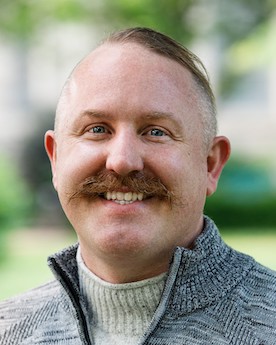
St. Jude Children's Research Hospital
Sponsor: Dr. Elizabeth KelloggMechanism of DNA searching CRISPR-associated transposons
CRISPR-associated transposons (CASTS) enable programmable DNA insertion, yet there is a limited understanding of how they recognize specific DNA sequences and activate DNA insertion. Dr. Jeffery Swan will conduct structural and kinetic studies of CASTs in Dr. Elizabeth Kellogg’s lab at St. Jude Children’s Research Hospital. Dr. Swan will investigate the AAA+ (ATPases Associated with diverse cellular Activities) regulator TnsC which influences both ATP hydrolysis and DNA deformation. He will use cryo-electron microscopy to structurally characterize the fully assembled integration complex, and single-molecule and ensemble kinetic experiments to better understand transpososome assembly and activation. Swan anticipates that these studies will guide future attempts to rationally engineer CASTs for gene-editing and therapeutic applications.
As a Ph.D. student in Dr. Carrie Partch‘s lab at the University of California at Santa Cruz, Swan investigated the role of the KaiC, an AAA+ protein that effectuates circadian timing. Dr. Swan demonstrated that the ATPase activity in KaiC imparts cooperativity to the transition between autophosphorylation and autodephosphorylation, which is an important feature of the circadian clock. With his expertise in AAA+ proteins, Dr. Swan is ready to investigate how TnsC enables the programmable DNA insertion of CASTs.

National Institute of Allergy and Infectious Diseases
Read more
National Institute of Allergy and Infectious Diseases
Sponsor: Dr. Michael GriggSexual recombination and virulence in the success of African trypanosomes
In disease-causing organisms, hybridization allows for the transfer of traits such as virulence and drug resistance. Dr. Mabel Tettey will investigate how hybridization impacts African trypanosomiasis outbreaks caused by the parasite Trypanosoma brucei. Dr. Tettey will assess the degree of hybridization occurring in African trypanosome endemic areas, explore the impact of hybridization on virulence, and identify the key molecules involved in this process. She will conduct these experiments in Dr. Michael Grigg’s lab at the National Institute of Allergy and Infectious Diseases. These studies may enable the development of effective disease control strategies against African trypanosomes.
As a graduate student in Dr. Keith Matthews’ lab at the University of Edinburgh, Tettey examined the function of released peptidases in the transmission of African trypanosomes. Specifically, Dr. Tettey identified the genes that dominate quorum sensing signal in African trypanosomes. With her extensive background in trypanosome biology, Dr. Tettey will now examine the role of hybridization in trypanosome virulence.
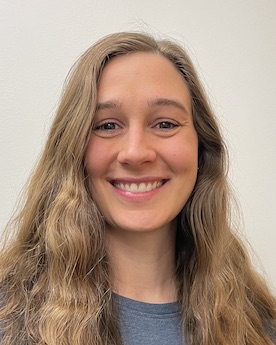
University of Minnesota
Sponsor: Dr. Anna SelmeckiEffects of regulatory network divergence on drug resistance in Candida
The human pathogen Candida albicans’ genome varies substantially between clinical isolates, yet it is currently unknown how this variation affects infection. Since many genetic variants are located in gene regulatory sequences, Dr. Petra Vande Zande predicts that there is substantial divergence in gene-regulatory networks between different C. albicans isolates that modifies their fitness. Dr. Vande Zande will use gene expression data from different isolates to model gene regulatory networks and identify key differences that impact fitness. Vande Zande will conduct these experiments in Dr. Anna Selmecki’s lab at the University of Minnesota. This research will provide direct insight into genetic differences that impact C. albicans infections. It may also provide clues into other genetically diverse systems with differences in gene-regulatory networks, including human cancers.
As a graduate student in Dr. Patricia Wittkopp’s lab at the University of Michigan, Vande Zande studied gene expression in the context of adaptive evolution. In particular, Dr. Vande Zande discovered that mutations affecting a gene’s expression from a distance are more pleiotropic and more detrimental to fitness than mutations occurring proximally to the gene of interest. With her experience in the evolution of gene expression, Dr. Vande Zande is now interested in understanding divergence in gene-regulatory networks between different clinical isolates of yeast infections.
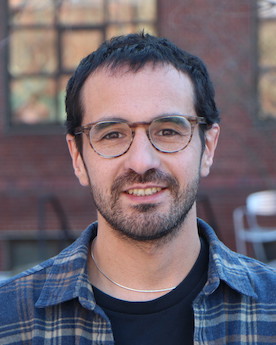
Harvard University
Sponsor: Dr. Nicholas BellonoMolecular basis of sensory integration in octopus
Cells detect and transform specific external stimuli into precise biochemical functions in a process termed signal transduction. Sensory systems are one example of signal transduction. Dr. Pablo Villar will investigate a unique sensory system: octopus chemotactile receptors that mediate contact-dependent aquatic chemosensation. Dr. Villar will use single-cell sequencing, cryo-EM, and physiology to investigate the molecular logic of receptor expression, complex formation, and physiological function in cephalopods. These experiments will be conducted in Dr. Nicholas Bellono’s lab at Harvard University. Villar’s studies will reveal general principles for the evolutionary fine tuning of signal transduction and help connect adaptations in protein structure with octopus behavior.
As a graduate student in Dr. Ricardo Araneda’s lab at the University of Maryland, Villar examined how neuromodulatory brain regions regulate circuits that process sensory information. Specifically, Dr. Villar showed that the basal forebrain activates shortly after the onset of a sensory stimuli, and in a stimulus-specific manner. With this experience in neuroscience and sensory stimuli, Villar will now examine the signal transduction of stimuli at a molecular level in cephalopods.
University of California, Berkeley
Sponsor: Dr. Eunyong ParkStructural basis of Doa10-mediated protein quality control at the ER
The endoplasmic reticulum (ER) is a critical organelle for maintaining protein quality control in cells; misfolded proteins are targeted for degradation through the ER-associate degradation (ERAD) pathway. Dr. Kevin Wu will study the ER-membrane bound E3 ubiquitin ligase Doa10 in Dr. Eunyong Park’s lab at the University of California, Berkeley. Doa10 is conserved from yeast to humans and identifies and targets many misfolded proteins for degradation. However, it is unclear how Doa10 recognizes a wide range of client proteins. Dr. Wu will use biochemical and structural approaches to reveal how Doa10 recognizes and processes a range of substrates, and how Doa10 cooperates with other quality control factors to maintain protein homeostasis. Protein misfolding and aggregation are associated with aging and diseases such as neurodegeneration. Thus, Wu’s studies may have implications for developing future therapies to improve protein homeostasis in human disease.
As a graduate student in Dr. James Bardwell’s lab at the University of Michigan, Wu investigated chaperone-mediated protein folding. There, he discovered that weak binding between ATP-independent chaperones enable the refolding of client proteins, whereas stronger binding hinders refolding. Dr. Wu’s background in protein refolding set him up for exploring how Doa10 E3 ubiquitin ligase recognizes unfolded protein targets.
Class of 2022

Rockefeller University
Sponsor: Dr. Elaine FuchsInvestigating the roles of spatiotemporal genome architecure in malignancy
Profound alterations in gene expression profiles occur as stem cells from normal tissue transform into cancer stem cells (or tumor-initiating cells) that are able to initiate tumor growth and propagate tumor masses. However, how the gene expression program is rewired during tumorigenesis remains elusive. My research project centers on exploring and identifying key factors that are responsible for driving the divergence of their gene expression profiles. Using in vivo mouse models and genomics and imaging approaches, I am investigating how spatiotemporal genome organization plays a role in oncogenic transcriptional reprogramming during skin squamous cell carcinoma (SCC) development. Skin SCC has emerged as a public health issue due to its increasing incidence and potential for metastasis and recurrence, particularly for the patients placed on immunosuppressive drugs. If successful, my work would further our understanding of the mechanisms underlying oncogenic transcriptional reprogramming and provide new avenues for developing new cancer therapeutics.
University of Texas Southwestern Medical Center
Read more
University of Texas Southwestern Medical Center
Sponsor: Michael K RosenDecoding the thermodynamics of multi-component biomolecular condensates using high-throughput microfluidics and fluorescence microscopy
Biomolecular Condensates are defined foci found in cells that have selectively concentrated biomolecules. The formation of biomolecular condensates via liquid-liquid phase separation, involving multivalent interactions among biomolecules, has emerged as an important principle for the organization of cellular structure and biochemistry. The molecular underpinnings governing the macroscopic behavior of multi-component condensates, formed by modular protein domains, remain poorly understood. There is limited understanding of how inter-domain binding affinities affect condensate energetics and dynamics, and whether the energetic behaviors can be inferred from known evolutionary relationships between the molecules. Studying these requires quantitative mapping of a phase diagram, which is a two-dimensional array of points for a two-component system and extends to being n-dimensional for n-components. The traditional methods used for mapping phase diagrams require substantial amounts of reagents and are labor-intensive. Hence, I have developed a high-throughput microfluidics-based platform in which hundreds of thousands of pL volume droplets can be made and analyzed as individual reaction chambers in a single experiment, enabling dense sampling of even high-dimensional phase spaces. With this method, I will be mapping phase diagrams and condensate dynamics for systems of increasing complexity. The characterization of the energetics of phase separation with a dataset of unprecedented scale will help in understanding (and eventually predicting) the behaviors of condensates from knowledge of the interactions and co-evolution of individual molecules.
University of California, Berkeley
Sponsor: Dr. Susan MarquseeAn unprecedented atomistic picture of contranslational protein folding
The majority of functions we associate with living thing are made possible thanks to the molecular functions of proteins. Proteins, just like cars and other macroscopic machines, require a specific 3D structure in order to be able to perform their functions and improper protein folding is linked to diseases cut as Alzheimer’s, Parkinson’s, and various cancers. Yet despite decades of research, we still do not understand how proteins fold up into these structures, and what determines whether folding ultimately proceeds correctly—these questions are not addressed by structure-prediction algorithms such as DeepMind’s AlphaFold. It is crucial that we make progress on these issues if we are to rationally design treatments for misfolding diseases, and to predict evolution of organisms, which is often mediated by changes to protein folding and function.
All proteins are made up of one or more chains of amino acids. For some proteins, the physical and chemical interactions between these amino acids are entirely sufficient to drive protein folding into correct native structure. But growing evidence suggests that, for many other proteins, these interactions instead cause the amino acid chain to misfold into non-functional molecular structures. A major goal of my research is to understand how this conundrum is resolved in the complex cellular environment.
One possible resolution to this issue may lie in the fact that, in addition to folding, a protein molecule needs to be synthesized one amino acid at a time by the ribosome. It turns out that many proteins can start folding as they are being synthesized, a process known as co-translational folding which has been shown to significantly increase the odds that certain proteins fold correctly. Indeed, many proteins contain evolutionarily conserved slowdowns in their rate of synthesis at chain lengths corresponding to putative co-translational folding intermediates, indicating it is broadly useful to modulate synthesis rates to give time for co-translational folding. This is akin to how dance (analogous to a chain’s folding) is closely linked to musical rhythm (how quickly amino acids are added)—I may have taken this analogy a bit too far and written a musical piece inspired by it (The Dance of the Nascent Chain).
My research aims to develop a detailed molecular picture of this process, and why it is beneficial to fold co-translationally for many proteins, by combining in vitro and in vivo experimental techniques, physics theory and atomistic simulations. In the future, this interdisciplinary pipeline can also be applied to investigate additional complex processes in the cell including mechanisms of misfolding in disease.

University of Washington
Sponsor: Dr. Michael BruchasEvaluating neuromodulatory networks across brain states
Internal brain states greatly influence our sensations and perception of the external world. Incidents such as stress, hunger, thirst, and pregnancy have all been described as inducing different ‘brain states’ within individuals, altering basic neural properties such as sensory perception, memory, interception, and attention. However, we do not understand how our brains dynamically shape our perceptions and behaviors during state shifts. Here we aimed to create stable brain state models by exposing animals to either chronic social isolation or exercise, two opposing types of behavioral intervention to represent positive and negative experiences. By measuring multi-domain behavioral profiles across the brain during long-term social isolation or exercise, we tested if these biological fingerprints can predict animals’ brain states. To further dissect the neuromodulation changes during brain state shifts, we focused first on the locus coeruleus (LC). LC both receives and sends broad projections throughout the brain. LC cells could then mediate brain-wide changes through its noradrenergic population to control arousal, attention, and sensory perceptions. When simultaneously imaging LCDBH cell body and terminal activities across multiple brain regions, we observed different activity patterns when mice were presented with a diverse array of stimuli. We have also observed dynamic single-cell activities toward different sensory cues, which further confirms the heterogeneity within the LCDBH population. By combing in vivo imaging, circuitry mapping, and biochemical detection, we aim to examine the neuromodulatory signaling dynamics in and out of LC during brain state shifts induced by long-term exercise and social isolation.

University of Michigan
Sponsor: Dr. Kevin WoodInterplay of spatial structure and collective drug resistance across scale
Cells and organisms such as bacteria or cancer cells live in communities and have complex population-level dynamics and emergent behaviors. These behaviors can significantly change their collective properties, including resistance to drugs and other environmental selective pressures. Predicting how cellular communities, rather than individuals, respond to drug exposure could help delay or prevent drug resistance during treatment.
Spatial structure and heterogeneity are important features of such communities – from the cell to the ecosystem scale. In my research, I aim to understand the essential, but poorly understood, relationship between spatial structure and population-level dynamics in bacterial biofilm communities responding to antibiotic selection via theoretical and experimental approaches.
Johns Hopkins University
Sponsor: Dr. Rachel Green and Dr. Bin WuDefining regulatory principles of translation during nutrient shifts
Protein synthesis is metabolically costly; it is therefore critical that cells regulate translation based on nutrient availability. Translation regulation must be flexible to enable cells to adapt to persistent nutrient deprivation, but still recover when nutrients are replenished. Signaling through the kinases GCN2 and mTORC1 can suppress both translation initiation and elongation in response to nutrient depletion, but how each mechanism contributes to global translational control is unclear. Here we investigate translation dynamics upon acute and long-term nutrient depletion, as well as during recovery from nutrient stress. In the immediate response to starvation, GCN2 robustly inhibits initiation to prevent ribosome loading onto transcripts. However, over longer periods of starvation, increased initiation causes translating ribosomes to collide with ribosomes stalled on transcripts. To explore these different temporal regimes, we employ a mass spectrometry-based approach to identify factors that modulate ribosome activity in response to nutrient stress through differential ribosome binding. This work will provide a more integrated understanding of how cells regulate translation and ribosome homeostasis across nutrient environments.
University of California, San Francisco
Sponsor: Dr. Diana LairdOvulation of the fittest
Mammals with ovaries are born with a non-renewing supply of differentiated oocytes ranging from the thousands in mice to the millions in humans. While these high numbers imply a large stockpile, only a comparatively small number of the oocytes present at birth will ever be successfully ovulated and fertilized. To achieve this maturation, an oocyte must first be activated from its quiescent state and then undergo a period of extensive growth in order to accumulate large quantities of biosynthetic materials that are necessary to support the embryo prior to zygotic genome activation. We are currently limited in our understanding of factors that determine whether an oocyte will complete this growth or be fated for elimination/atresia. My research focuses on how both the intrinsic characteristics of oocytes and the extrinsic support provided by the surrounding somatic tissue determine whether an oocyte present at birth will ever be successfully ovulated. My goal is to apply this knowledge to future therapeutics for infertility.
Brigham and Women's Hospital
Sponsor: Stephen J ElledgeViral manipulation of ubiquitin signaling
Viruses are obligate intracellular pathogens that shape host cell physiology to promote replication and spread. Viral infection is counterbalanced by the host immune response which attempts to detect and eliminate virally infected cells. To reproduce and evade immune detection, viruses modulate expression and post-translational modification of host proteins. The ubiquitin-proteasome system (UPS) mediates targeted degradation of proteins and consists of E1, E2, and E3 enzymes. The modular nature of the ubiquitin ligase pathway has led to co-option by pathogens which alter host protein stability in order to enhance replication and evade immune detection. Understanding how viruses manipulate the host cell proteome to promote infection and how these changes are detected by the immune system is central to the development of anti-viral therapies and vaccines. My postdoctoral research uses genetic and biochemical techniques to discover and dissect host-pathogen interactions with a focus on post translational modifications and their impact on cell signaling.

Harvard University
Sponsor: Catherine DulacDissecting the neuronal logic of behavioral hierarchy
Animals rely on instinctive behaviors and homeostatic responses, such as parenting, feeding, mating, and sleeping, to ensure individual and species survival. Maximizing survival requires meeting the most pressing needs at the right time, forcing animals to establish behavioral priorities based on a hierarchy of needs. Neurons controlling many of these behaviors are located within the highly interconnected medial preoptic area of the hypothalamus (MPA), making this structure a likely control hub underlying behavioral hierarchy. However, the neural logic of intra-MPA connectivity and how this directs behavioral priorities across physiological states is unknown.
Using the mouse MPA as a model system, I am studying the cell type-specific structural and functional connectivity underlying key competing behavioral and physiological responses. Further, I am determining how animal states, such as virgin or parent, alter neuron function to induce new behavioral priorities. This work will provide the first depiction of a neural basis of the hierarchy of needs and open new avenues for understanding the neural basis of behavior.

Boston Children's Hospital
Sponsor: Christopher WalshDissecting the impact of non-coding somatic mutations in the human brain
While somatic mutations have been heavily studied in tumors, their prevalence and significance to disease risk in healthy individuals is much less well-understood. The Walsh lab and others revealed that somatic mutation is a widespread phenomenon. Human neurons each contain 100 or more clonal somatic single nucleotide variants (sSNV) at birth, acquired during prenatal development, and gain 15-20 additional sSNVs arising per year. Most somatic variants, including those associated with cancer risk, occur in noncoding regions such as enhancers. Despite being the main source of genetic diversity between cells within an individual, the mechanisms by which noncoding somatic mutations form as well as their functional impact are not well understood. My research will focus on developing new strategies to detect rare noncoding somatic variants as well as dissect their epigenomic impact across different cell types in the human brain. This will help illuminate how much this source of variation contributes to cancer risk and brain disease.

Dana-Farber Cancer Institute
Sponsor: David PellmanDamage control in response to unreplicated DNA in mitosis
Common fragile sites (CFSs) are hotspots for genomic rearrangements in cancers, but why and how these rearrangements occur is poorly understood. CFSs are characteristically difficult to replicate and often persist as under-replicated DNA into mitosis. Previous work from my host laboratories showed that stalled DNA replication forks are disassembled upon exposure to the mitotic kinase Cyclin B-CDK1. Unloading of the replisome leads to the formation of DNA breaks at the stalled forks followed by break-end ligation events. Coordinated DNA repair events at converging stalled forks in mitosis could lead to the formation of deletions and sister chromatid exchanges, both of which are signatures of CFS expression.
Recent studies have shown that CIP2A is a mitosis-specific repair factor that localizes to sites of DNA damage and replication stress. My aim is to investigate the role of CIP2A in cellular responses to unreplicated DNA in mitosis and how these processes contribute to genomic instability at CFSs. I will use the Xenopus egg extract system to uncover the biochemical mechanism of CIP2A function and conduct cell-based studies to observe the effects of CIP2A on genome stability.
University of California, Berkeley
Sponsor: Christopher ChangMain-group platforms for deciphering and drugging metionine
It has long been a focus for the identification of protein drivers and for the development of corresponding cancer therapeutics. Traditionally, drug discovery efforts mainly rely on “druggable” proteins, which possess easily identifiable binding pockets or catalytic active sites. However, over 85% of the proteome is still considered “undruggable”, posing additional challenges for further development. Recently, Activity-Based Protein Profiling, has arisen to spotlight the undruggable proteome via covalent linkage of reactivity-based chemical probes and “ligandable hotspots” in the proteome. In the proposed research, I aim to develop new chemoproteomic platforms based on inexpensive and biocompatible main-group molecules for chemoselective methionine and methionine sulfoxide bioconjugation, to further promote cancer drug discovery. This contribution will be significant because it can develop a ligandability map against undruggable proteome, serve as efficient tools in cancer cell early-stage diagnosis, and further provide a handle to decipher and drug methionine redox regulation in cancer cells, thus yielding novel therapeutics.

Harvard University Medical School
Read more
Harvard University Medical School
Sponsor: Jun R HuhIn Vivo tracking of G protein-coupled receptors sensing for gut metabolites
The human gastrointestinal tract harbors trillions of microbes that have been coevolving with humans for a long time. Growing evidence suggested that the gut microbiota produces a myriad of metabolites, and some of these small molecules possess bioactivity that can shape host development and fitness, such as modulating gut immune cells and promoting brain development. G protein-coupled receptors (GPCRs) represent the largest class of membrane receptors that relay extracellular cues into a cellular response. Many of these GPCRs including orphan GPCRs may evolutionally be designed for communicating with microbes through microbial metabolites. My research seeks to develop a genetic tool and platform that can characterize ligand-activated GPCRs in vivo and uncover GPCRs that sense microbial metabolites. This work potentially sheds light to understand the underlying mechanisms of host-microbiota interaction.
Broad Institute
Sponsor: Stuart SchreiberA DNA-encoded library strategy for molecular glue discovery
There is an urgent need for cancer therapeutics with improved target specificity and novel mechanisms of action. Molecular glues combine the demonstrated capabilities of small molecules as potent drugs with the power of chemically induced proximity. In enabling new protein-protein associations, molecular glues can address many shortcomings of current small molecule cancer therapeutics, which are often limited to protein targets presenting a clear binding pocket. Furthermore, since protein-protein interactions are widely known to facilitate a range of fundamental cellular activities, chemical compounds which intercede on these pathways can provide access to novel mechanisms of action and enhanced target specificity. The wide-ranging therapeutic potential of molecular glue has already been recognized; however, to date the discovery of these compounds has been limited to serendipity or the synthesis of bifunctional molecules. The systematic and generalizable path to molecular glue discovery has not yet been established. In my research, I will leverage the recording and reporting power of DNA encoded libraries to deliver a new path to molecular glue discovery

Fred Hutchinson Cancer Center
Sponsor: Sue BigginsDetermining regulation and function of a major microtubule binding pathway
Each time a cell divides, it must ensure equal segregation of chromosomes. Error in this process causes either loss or gain of chromosomes, resulting in aneuploidy, a hallmark of cancer and other diseases. Chromosome segregation is mediated by a megadalton protein complex called kinetochore that assembles at the centromere of each chromosome and serves as the physical linker between chromosomes and the microtubules. Early in mitosis, microtubule-kinetochore attachments are stabilized by tension that distinguishes proper attachment from the improper ones. However, during anaphase, kinetochore-microtubule attachments become vulnerable as tension drops when the chromosomes separate, and the microtubules start shortening. It is major question how kinetochores remain attached to microtubules under low tension. There are two competitive pathways that recruit the major microtubule binding protein, Ndc80c to the kinetochore- Mis12c and CENP-TCnn1 pathway. The CENP-TCnn1 pathway gets enriched at the kinetochore during anaphase, making it a potential pathway that could stabilize low tension attachments. I hypothesize that the CENP-TCnn1 pathway is key to understanding how kinetochores adapt to low tension during anaphase. My goals are to uncover the underlying regulatory mechanism facilitating upregulation of this pathway at the kinetochore during anaphase and how it contributes to kinetochore-microtubule attachments under low tension.
University of Washington
Sponsor: Dr. Alex MeeskeMechanisms of Immune Memory Generation in a Native RNA Targeting CRISPR System
CRISPR systems are the adaptive immune systems of bacteria that are crucial for defense against bacteriophage infection. Immune memory is stored as short DNA sequences in the CRISPR array, called “spacers”, and upon transcription and processing these associate with Cas nucleases to search for matching viral targets and initiate nucleic acid cleavage. Type VI CRISPR systems are unique in that they recognize RNA, and target recognition leads the nuclease Cas13 to indiscriminately cleave cellular RNA. While the targeting steps of this CRISPR type are well-understood, it is still unknown how new spacers are acquired, especially since most type VI CRISPR operons lack the known acquisition machinery. Here, we probe the mechanisms of type VI CRISPR immune memory generation using Listeria seeligeri, a genetically tractable host that endogenously encodes type VI CRISPRs. We show that type VI CRISPR can use the adaptation genes from other CRISPR systems in the genome to integrate new memories into the type VI array, both in vivo and in vitro. In addition, we find no clear bias for acquisition of functional, RNA targeting spacers during growth or infection; however, we do observe some bias for acquisition from highly transcribed regions. In the future, we aim to identify additional factors required for acquisition of new spacers in the type VI CRISPR locus and determine the origin of newly acquired spacers.

University of Washington
Sponsor: Jakob MoltkeTissue Specific Sentinels of Type 2 Immunity
The innate immune system is paramount in recognizing foreign or mutated material and initiating proper immune responses to combat them. Recognition of allergens and parasitic worms (helminths) elicit a socalled “type 2” immune response focused on expulsion of stimuli and tissue repair. Type 2 immune responses impact the prognosis of many cancers and the success of immunotherapies, but how these responses are established remains poorly understood. Group 2 innate lymphoid cells (ILC2s) initiate and propagate type 2 immune responses, but do not sense immune agonists directly. The origin and regulation of host-derived signals leading to ILC2 activation is therefore an area of immense interest. Recent work identified a specialized population of epithelial tuft cells responsible for sensing helminths and activating ILC2s by secreting interleukin(IL)-25 and cysteinyl leukotrienes in the small intestine. Airway ILC2s are similarly important for type 2 immune responses in the lung, but tuft cells are dispensable in this context. My proposal seeks to identify the signals that activate intestinal tuft cells and a novel cell subset responsible for airway ILC2 activation. Examining the initiation of type 2 immunity in multiple organs will uncover both convergent and divergent mechanisms by which type 2 responses can be further manipulated.

Columbia University
Sponsor: Rene HenNeuronal and immunological dissection of antidepresant responsiveness
Major depressive disorder (MDD) is a psychiatric disorder with a lifetime prevalence of ~15% and is the leading cause of disability worldwide1. The societal burden of MDD is immense, causing profound personal suffering and economic loss, which has recently been intensified by the Covid-19 pandemic2. The most effective treatments for MDD, a class of antidepressants called the selective serotonin reuptake inhibitors (SSRIs), are successful in achieving remission, but only in ~40% of patients3. Despite being in use for over 50 years, it remains unknown how SSRIs modulate neural circuit function in patients that achieve remission and where these mechanisms are disrupted in those that do not. Thus, a fundamental question remains: What are cellular and molecular mechanisms that mediate antidepressant response and resistance? Defining the answers to this question could provide fundamental insights into the pathophysiology of MDD and uncover novel substrates for future precision medicine approaches.
University of California, San Francisco
Sponsor: Edward ChangUncovering the functional architecture of the human speech cortex
Speech is a defining characteristic of human cognition. It provides humans with the flexibility to convey an unlimited range of thoughts and feelings using a limited number of basic elements. Over the past decade, intracranial electrocorticography (ECOG) recordings in patients have provided invaluable insights into the neural mechanisms underlying speech perception and production. While significant progress has been made, basic questions still remain regarding the functional architecture of the neuronal circuits involved. Particularly, we do not know how the brain assembles phonemes into words, and words into meaningful goal-directed utterances. Such phonemic-to-semantic transformation relies on real-time interactions between the speech cortex and distributed memory networks that encode, store, and retrieve our lexical and semantic knowledge quickly and efficiently. The hippocampus, as a critical node in this declarative memory system, is believed to play a key role in coordinating such processes in real time.
My research seeks to elucidate the cortical-hippocampal interaction during speech perception and production, and more broadly, to unravel the interface between speech representations and long-term memory. To accomplish this, I combine ECOG recordings with 7T fMRI to measure neuronal activity simultaneously from the hippocampus and speech cortex during perception and production of speech.
Harvard University
Sponsor: Dr. Xiaowei ZhuangReconstruct cell trajectories and communications in brain development
During mammalian development, coordinated cell differentiation and migration convert a simple neural tube into a brain with more than a hundred anatomical regions and probably more than a thousand cell types. How do these cell types emerge? How do cells migrate to their destined locations? How do cells communicate with each other? These are some fundamental problems in brain development.
As a postdoctoral fellow in Xiaowei Zhuang’s lab at Harvard, I develop new methods to systematically study these problems in mouse brain development. I develop new computational methods to connect cells from MERFISH spatial transcriptomics measurements into trajectories and determine cell-cell communication pathways activated in each cell. The reconstructed trajectories will allow me to comprehensively map the differentiation, maturation, and migration of individual cells. I will identify which cell-cell communication pathways are functionally crucial for generating each cell type. Then I will develop high throughput imaging-based screen methods to validate the discoveries.
Columbia University
Sponsor: Mohammad Al QuraishiLearning the modular grammar of phase separaton in signaling networks
Cells efficiently convert environmental information into specific functional responses through cascades of biochemical reactions and biomolecular interactions. High fidelity signal transduction requires spatiotemporal regulation of these molecular events. This can be accomplished through phase separation. Many signaling condensates dynamically assemble through multivalent protein–protein interactions mediated by modular interaction domains. How the molecular factors that drive phase separation enable coordinated and precise flow of information among myriad signaling pathways remains a mystery. To answer such questions that encompass molecular- and systems-level phenomena, my research focuses on developing integrative data- and physics-based modeling frameworks using the tools of machine learning and statistical mechanics. Using these approaches, I aim to decipher the modular grammar of signaling proteins that governs phase separation and, more broadly, the biophysical principles that underlie cell homeostasis.

University of Colorado, Boulder
Sponsor: Thomas CechDisseing the impact of non-coding somatic mutations in the human brain
Histone methyltransferase PRC2 (Polycomb Repressive Complex 2) silences genes via successively attaching three methyl groups to lysine 27 of histone H3 (H3K27me3). Several research groups including ours demonstrated that PRC2 associates with numerous pre-mRNA and lncRNA transcripts with a strong binding preference for G-quadruplex forming RNA. However, the structural details of their interactions have so far been unclear. My research provides a 3.3Å-resolution cryo-EM structure of a PRC2-RNA ribonucleoprotein complex. Notably, G-quadruplex RNA bridges the dimerization of PRC2 with a symmetric interface comprised of two copies of the PRC2 catalytic subunit EZH2. Especially, EZH2 SET domain is indicated to directly facilitate the RNA-mediated dimerization of PRC2. Interestingly, those residues were previously characterized in the PRC2-nucleosome cryo-EM structure to physically interact with the histone H3 tail and nucleosome DNA. Therefore, I hypothesize that in the dimerized PRC2-RNA complex, RNA inhibits PRC2 activity by limiting H3 tail accessibility to the active site. Overall, my study provides a new perspective of RNA regulation of chromatin modifiers.
University of California, Berkeley
Sponsor: Michelle ChangDiscovery and Synthesis of novel anticancer drugs via enzyme engineering
The discovery of novel antitumor drugs requires the development of new methods to synthesize molecules of increasing diversity and complexity to meet the challenges of drug efficacy and safety. Biocatalysis provides an attractive strategy to perform chemical reactions under mild and sustainable conditions. The Chang Lab has recently discovered a family of radical halogenases that perform the regio- and stereoselective chlorination of unactivated, aliphatic C–H bonds within several amino acid substrates. Despite the synthetic utility of organohalides, there are limited biosynthetic and chemical methods for the selective chlorination of unfunctionalized alkanes beyond this example.
Using mechanistically-guided protein engineering, my research aims to expand the substrate and reaction scope of these enzymes to produce noncanonical amino acids bearing versatile functional group handles, including halogens or azide. These synthetic residues will then be incorporate into biological molecules of interest, such as known anticancer peptides, and can be further functionalized to access diverse, cyclic structures. Overall, this strategy provides a fully biosynthetic method for producing novel analogs of anticancer peptides with the goal of discovering improved drugs.
Stanford University
Sponsor: March SchnitzerExamining the neural mechanisms for generalization
The ability to learn and memorize is essential for all living organisms to adapt to the ever-changing environment, and it serves as the foundation for higher-order cognitive processes such as reasoning, planning, and decision-making. However, the neuronal basis of memory remains unclear — it is largely unknown how memory-related information is represented by populations of neurons in the brain, and how that representation is formed as a result of learning-induced plasticity. By studying the activity of neurons underlying long-term memory using in vivo imaging and opto/chemogenetics, I hope to understand the neural mechanisms by which new information is learned and processed in neuronal populations. This work will provide insights into the computational principles that govern learning in biological and artificial neural networks.
Massachusetts Institute of Technology
Sponsor: Tyler JacksDeciphering cell-specific metabolic changes in PDAC
Pancreatic cancer represents 3% of all new cancer cases in the United States, yet it has the worst 5-year survival rate of all cancer types. While many cancer types display durable responses to cancer immunotherapy, which harnesses the cytotoxic activity of the immune system to treat malignancies, immunotherapy has largely failed to treat pancreatic ductal adenocarcinoma (PDAC). The complex tumor microenvironment of PDAC likely underlies the refractory response of PDAC to immunotherapy, including immune checkpoint blockade (ICB). One example of a known mechanism that aids immune evasion by PDAC is the presence of desmoplastic stroma that hinders the infiltration of cytotoxic T cells. In addition to exclusion of immune infiltrate, the cytotoxic T cells that are present within the microenvironment are dysfunctional. Nutrient availability within the tumor environment likely impacts the function of cytotoxic T cells and research in immunometabolism is of growing interest. Understanding cell-specific metabolic changes within GEMMs has been hindered by a lack of mouse models that properly recapitulate the tumor microenvironment and lack of tools able to properly isolate cells in a way that preserves the integrity of the metabolites. My project will use a GEMM of PDAC, congenic markers, and cancer cell-specific surface tags in order to rapidly purify and perform metabolomics of both cancer cells and T-cells. Using this technique, I hope to identify metabolic pathways that are hindering immune cell proliferation and cytotoxic capabilities to reinvigorate the immune microenvironment for tumor control and in response to ICB.
Brandeis University
Sponsor: William Shih and Dorothee KernTiming molecular interactions in high throughput via a polymerase stopwatch
Deep learning methods have revolutionized structural biology by accurately predicting single structures of proteins and protein-protein complexes. However, biological function is rooted in a protein’s ability to sample different conformational substates, and disease-causing point mutations are often due to population changes of these substates. This has sparked immense interest in expanding the capability of algorithms such as AlphaFold2 (AF2) to predict conformational substates. We demonstrate that clustering an input multiple sequence alignment (MSA) by sequence similarity enables AF2 to sample alternate states of known metamorphic proteins, including the circadian rhythm protein KaiB, the transcription factor RfaH, and the spindle checkpoint protein Mad2, and score these states with high confidence. Moreover, we use AF2 to identify a minimal set of two point mutations predicted to switch KaiB between its two states. Finally, we used our clustering method, AF-cluster, to screen for alternate states in protein families without known fold-switching, and identified a putative alternate state for the oxidoreductase DsbE. Similarly to KaiB, DsbE is predicted to switch between a thioredoxin-like fold and a novel fold. This prediction is the subject of ongoing experimental testing. Further development of such bioinformatic methods in tandem with experiments will likely have profound impact on predicting protein energy landscapes, essential for shedding light into biological function.
California Institute of Technology
Sponsor: Michael ElowitzSynthetic protein circuits a conditional triggers of anti-tumor immunity
By detecting molecular signatures of cancer cells, synthetic protein circuits delivered as mRNA could specifically kill cancer cells. However, a major hurdle is the inability to deliver circuits to all cancer cells in a tumor. An ideal therapy would both selectively eliminate cancer cells to which circuits are successfully delivered and trigger a broader killing effect on the surrounding tumor. Inflammatory cell death that releases immunostimulatory signals provides an ideal mechanism to achieve these two goals by directly killing on-target cancer cells, as well as indirectly killing off-target cancer cells by activating lymphocyte-mediated anti-tumor immunity. Our goal is to design protein-level circuits capable of identifying cancer cells, executing cell death, and eliciting anti-tumor immunity. We will engineer an input module that senses and amplifies oncogenic signals, design an output module that thresholds these signals and actuates inflammatory cell death, and validate the full input-output circuit using cellular and mouse cancer models. Our research will offer a novel immunotherapy concept that combines synthetic biology approaches with the immunotherapy.

Carnegie Institution of Washington
Sponsor: Kamena KostovaDetermine how ribosome heterogeneity regulates early embyrogenesis
Ribosomes are complex molecular machines that translate mRNAs into proteins and are essential for sustaining life. While the ribosome functions in cellular environments that are markedly diverse, its composition has traditionally been seen as static after assembly. Exciting new studies challenge this concept and provide evidence that organisms assemble different types of ribosomes during development, stress response, or disease. For example, during embryogenesis, zebrafish assemble two types of ribosomes with distinct structures: maternal and somatic. Although this ribosome heterogeneity is predicted to alter protein synthesis, no experimental evidence yet exists to demonstrate this. I will use a multidisciplinary approach to test how changes in ribosome composition affect translation during zebrafish development.
Boston Children's Hospital
Sponsor: Hao WuDeciphering and manipulating death receptor signaling for cancer therapy
Class of 2021
University of Washington
Sponsor: Dr. David BakerIn situ genetic engineering of specific cell types guided by de novo designed protein logic
Despite the tremendous efforts spent towards genetically reprogramming T cells for therapeutic purposes, the complex ex vivo procedures and costs involved in producing genetically modified lymphocytes remain major obstacles for implementing them as a standard of care in the treatment of cancer. As a JCC fellow, my goal has been to bypass these obstacles by developing a technology that combines designed protein logic with engineered viruses to target and genetically engineer specific cell populations in vivo. To achieve targeted cellular engineering in vivo, I adapted a co-localization dependent protein switch, named Co-LOCKR, that classifies cells based on their receptor expression. Upon locating cells with the correct receptor combination, Co-LOCKR presents a target peptide that guides engineered viruses to genetically modify tagged cells.
University of Minnesota Twin Cities
Read more
University of Minnesota Twin Cities
Sponsor: Dr. Andrew VenteicherUnraveling the role of epigenetic regulation in human chordomas
Human chordoma is a locally aggressive and invasive type of cancer that occurs in the bones of the skull base and spine, and it is part of a group of malignant bone and soft tissue tumors called sarcomas. It is characterized by high recurrence rates and a lack of chemotherapy response. Although studies using exome sequencing identified a few genetic alterations, the vast majority of chordomas do not appear to have a causal genetic mutation, given that the overall somatic mutation burden in chordoma is modest. Recently, the Chordoma Genome Project provided essential clues about novel genes implicated in chordoma tumorigenesis. DNA sequencing revealed that mutations in the gene encoding the lysosomal trafficking regulator protein (LYST) have a role in chordoma biology, as recurrent truncating mutations were found in 10% of tumors. Our lab has preliminary data suggesting that epigenetic regulation of LYST leads to a clinically aggressive chordoma variant, marked by reduced survival and a high rate of metastasis. Herein, this research focuses on elucidating the mechanisms of epigenetic regulation of chordoma-related genes, like LYST, by applying chromosome conformation capture and protein-DNA interaction techniques. Initial findings have shown differences in chromatin accessibility and conformation between tumor subtypes, suggesting an association with the patient’s prognosis.

Whitehead Institute for Biomedical Research
Read more
Whitehead Institute for Biomedical Research
Sponsor: Jonathan WeissmanSynergistic modulation of heritable transcriptional memory
Chemical modifications to DNA and histones are implicated in the establishment of heritable cell type-specific transcriptional networks. The emergence of molecular epigenetic editors creates new opportunities to mechanistically probe these relationships and understand the functional repercussions of epigenetic dysregulation in cancer and aging. The CRISPRoff editor was developed in a collaboration between the Weissman and Gilbert labs as a single fusion protein containing the catalytically inactive dCas9, a repressive KRAB domain, and DNA methyltransferase domains. Transient expression of RNA-guided CRISPRoff achieves robust and heritable gene silencing in human cells, likely as a product of the synergistic spatiotemporal relationship between the coupled domains. Using a CRISPR-based screening approach, I plan to uncover and mechanistically characterize additional cooperative protein interactions which facilitate the establishment and maintenance of long-term transcriptional memory.

New York University
Sponsor: Satija RahulA novel single-cell phospho-protein and chromatin accessibility assay
Protein phosphorylation is a fundamental, dynamic process that can have drastic effects on cellular physiology. Mutations in kinases, the enzymes that phosphorylate other proteins, are often implicated in neurological disease. Understanding the context and consequences of protein phosphorylation in different cell types throughout neurodevelopment is imperative to developing new treatments as well as our basic understanding of cell biology. Recent technological developments permit the simultaneous quantification of protein levels, chromatin accessibility and gene expression from single cells (DOGMA-Seq). I am extending this technology to quantify both phosphorylated proteins and total proteins as well as chromatin accessibility and gene expression. I am applying this assay at discrete timepoints throughout in vitro neurodevelopment to reveal previously uncharacterized cell-type specific signaling patterns affecting gene expression and ultimately, cell fate decisions.

Harvard University Medical School
Sponsor: Galit LahavThe role of p53 dynamics in immune cell regulation
In response to DNA damage, the tumor suppressor protein p53 induces expression of stress-responsive genes to inhibit proliferation of cells with damaged DNA. Changes in p53 protein levels over time (p53 dynamics) impact cellular outcomes: p53 oscillations facilitate repair of DNA-damaged cells, whereas sustained levels of p53 promote senescence and cell death. While it is now established that p53 dynamics contribute to these competing cell-autonomous processes, how p53 dynamics regulate genes involved in non-cell-autonomous events, such as those involved in immune signaling, is not known. I propose to develop new tools and approaches to study the role of p53 in regulating immune gene expression in cancer cells and in mediating the killing of cancer cells by immune cells. This research will provide fundamental insights into the mechanisms that govern of cancer cell-immune cell interactions and pave the way for developing effective combination therapies to treat cancer
University of California, San Francisco
Sponsor: Orion WeinerBiophysical dissection of implantation defects resulting from maternal aging
Infertility represents a significant societal burden, as nearly 60% of human pregnancies fail before the embryo implants into the uterus. These miscarriages become more prevalent as women age above 35 years. But implantation remains a black box within development because it occurs within the mother’s body, so progress revealing its physical mechanisms is lagging. Early in preimplantation sages, primitive placental lineages must be specified for faithful implantation. Driving these lineage commitments are subcellular mechanical forces that transduce expression of downstream fate determinants for specification and ultimate invasion of placental tissues. However, in mammalian embryos of aged mothers, embryos display poor developmental health with decreased placental structures owing to impaired implantation. We hypothesize that these pathologies may stem from either early defects in tissue specification or later mechanical uterine invasion, both of which could give rise to age-related spontaneous abortions. This proposal therefore seeks to understand how the early cell biological and biophysical mechanisms are altered in the embryo with advanced maternal age, and how these mechanisms can be tuned to rejuvenate “aged” embryos to rescue developmental potential. Working in embryos of aged mice, we will combine approaches from cell and developmental biology, biophysics, and synthetic biology to ask: (1) Does maternal aging decouple the embryo’s upstream mechanics from downstream signal transduction during placental fate acquisition? (2) Is the logic of signal transduction for placental fate determinants altered via maternal aging? and (3) Do these age-related mechanisms together promote defective mechanical invasion during uterine implantation? Bridging these disparate scientific spheres will be critical in understanding infertility and improving female reproductive longevity.

Harvard University
Sponsor: Mansi SrivistavaThe evolution of complex chemosensation
How animal brains evolved the capacity for sophisticated computation is not well understood. One major facet of this problem is the evolution of chemosensation. Chemosensation is the primary sense of most animals, and involves complex neural computations. We do not know how this sense evolved, or how most animals – which are aquatic invertebrates – perform chemosensation. I am studying chemosensation in an acoel worm, an aquatic invertebrate that by virtue of its phylogenetic position as the likely outgroup to all other animals with central nervous systems, retains some primitive features of early central nervous systems. Acoels nonetheless perform sophisticated behavior that requires complex chemosensory processing, but how their brains and chemosensors work is unknown. Using a combination of automated behavioral tracking, transgenics, and neural activity imaging, I aim to understand the logic of chemosensory processing in a tractable acoel worm. Through comparisons with known chemosensory mechanisms of other animals, this will shed light on how complex chemosensory systems evolved. This project will also establish experimental approaches for the future study of neural computations and behavior in acoel worms and other aquatic invertebrates.

New York University, Grossman School of Medicine
Read more
New York University, Grossman School of Medicine
Sponsor: Damian Eikiert - Co-Sponsor Darwin HernStructure of an endogenous mycobacterial MCE lipid transporter
Mycobacterium tuberculosis, the causative agent of tuberculosis, is one of the leading causes of death due to infectious disease. Mtb establishes a replicative niche within the phagosomal compartment of host macrophages where it siphons nutrients from the host cell for its survival. To thrive within this hostile environment, Mtb has evolved a complex, protective cell envelope along with an ensemble of active transporters to import nutrients across this nearly impermeable barrier. The Mammalian Cell Entry (MCE) proteins have been implicated in nutrient transport as well as outer membrane maintenance and are important virulence factors in Mtb. However, the molecular bases for these functions are not known and the MCE proteins could play additional roles in the cell that have yet to be characterized. Therefore, I am currently determining the first structures of the mycobacterial MCE proteins and their associated factors using a combination of endogenous purification strategies and cryo-electron microscopy (cryo-EM), and developing in vivo assays to monitor MCE substrate binding and transport. This work will provide structural and mechanistic insights into these important virulence factors, which are potential targets for drug development.
Yale University
Sponsor: Daniel Colón-RamosSynapse organization and circuit function of dual-transmitter neurons
A single neuron can use more than one neurotransmitter to signal with neighboring cells and regulate, for example, movement, reward and vision in mammalian systems. These dual-transmitter neurons can segregate molecularly distinct presynaptic terminals within a single axon and each neurotransmitter can regulate an independent or complementary role within a functional circuit. Although dual-transmitter neurons are conserved in vertebrates and invertebrates, very little is known about what differentially regulates neurotransmitter-specific synaptic pools and how this intracellular specificity shapes circuit function. Here, I propose to establish in vivo models of dual-transmitter neurons and use the well-mapped nervous system of the nematode Caenorhabditis elegans to understand how molecularly distinct synapses organize and segregate within a single neuron to regulate animal behavior. I will focus on the motor neuron SMD, the interneuron RIB and the neurosecretory NSM neuron to establish in vivo paradigms of dual-transmission with trackable behavioral consequences. My goal is to carry out a genetic screen to identify genes that organize neurotransmitter-specific synapses and track the functional consequences of ablating one subset of synapses. This proposal could reveal conserved cell biological programs of intracellular synapse placement in dual-transmitter neurons and link them with circuit function in a living organism.
California Institute of Technology
Read more
California Institute of Technology
Sponsor: Dianne NewmanDeveloping bacterial biofilms as a model for pedicting tissue metabolism
While cells are often studied in suspension or monolayers, more structured forms like tissues and biofilms dominate natural environments. In such settings, the concentrations of critical nutrients like sugars and O2 vary in space and time because cells produce and consume them locally, leading to measurable differences in physiology and gene expression between nearby cells. Spatially structured environments therefore represent many-body systems interacting on multiple timescales through a rich collection of chemical and physical processes. My overriding goal is to determine whether metabolism in mixed biofilms can be predicted quantitatively from simple models with intelligible and measurable parameters. I am currently developing Pseudomonas aeruginosa, a model bacterium that grows in suspension and as a biofilm, as a model for studying metabolic heterogeneity in spatially structured environments. It is commonly assumed that variation in the local O2 concentration is a primary determinant of metabolic heterogeneity in biofilms. As such, I am developing optical approaches to measure local O2 concentrations in real time to test whether a mathematical model can explain O2 dynamics, cell growth, and metabolic rates in biofilms.

National Cancer Institute / NIH
Sponsor: Daniel LarsonEnhancer transcription dynamics and its role in gene activation
Enhancers are distal cis-regulatory elements that control precise execution of transcriptional programs during development and in response to external stimuli. How enhancers find and activate their target genes, and what molecular activities are required for enhancer function remains a central outstanding question in the field. Recent advances in nascent RNA-sequencing uncovered widespread transcription from enhancers, which has become widely recognized as a robust signature of enhancer activity. However, mechanistic understanding of enhancer transcription, its regulation and, most importantly, functional role in gene activation is currently missing.
In my work, I aim to address these fundamental questions by using single-molecule and live-cell imaging approaches to characterize the intrinsic dynamics of enhancer transcription in single cells. To generalize my conclusions from individual enhancers to a genome scale, my ultimate goal is to develop high-throughput single-molecule approaches for systematic characterization of enhancer transcription. Using these new tools, I will investigate how transcription at enhancers and their target gene promoters is coordinated at the single-cell level to discover if these processes are functionally linked. Together, this work will be an essential step towards a deeper mechanistic understanding of enhancer function in gene activation and how enhancer perturbations can lead to severe developmental disorders and cancer.
University of California, San Francisco
Sponsor: Massimo ScanzianiCharacterizing functional synaptic organization in mouse primary visual cortex
Primary visual cortex (V1) receives visual information ascending from the eyes as well as
descending from higher order visual areas. As such, V1 is the first cortical stage of visual processing at the intersection between two major pathways, the bottom-up, feedforward and the top-down, feedback streams of visual information. Despite current advances in understanding the integration of information from feedforward and feedback pathways in V1, our knowledge relative to how single neurons in V1 combine information from different origins to form their responses to visual stimuli remains rudimentary. To investigate this question, we apply advanced volumetric imaging technique to measure populations of excitatory synaptic inputs impinging onto single neurons in V1. Using this approach, we characterize the visual response properties of excitatory synaptic inputs to visual stimuli as well as the spatial organization of synaptic inputs along the dendritic tree of single V1 neurons. The results from this project will provide insights into the input – output relationship of a neuron to visual stimuli, namely how the visual response properties of synaptic inputs impinging onto a given neuron combine to give rise to the response of that neuron to visual stimuli.
MRC Laboratory of Molecular Biology
Sponsor: Kelly NguyenStructural basis of human telomerase recruitment by TPP1-POT1
Telomeres are repetitive nucleoprotein structures that protect the ends of linear eukaryotic chromosomes. Despite their importance, telomeres shorten at each round of cellular division due to an inherently incomplete replication process at DNA ends. This poses a threat to genome stability. The telomerase complex extends the telomeric repeats by processively copying from an internal template sequence, thereby counterbalancing telomere shortening. The action of telomerase at the telomeres is highly regulated in the cell. The current evidence indicates that a protein complex called shelterin orchestrates telomerase recruitment and activity at the telomeres. In mammals, shelterin is a six-subunit complex that binds telomeric DNA repeats and recruits telomerase through its TPP1 subunit, which assembles as a heterodimer with POT1. TPP1-POT1 not only recruit telomerase, but also stimulates its processivity. Stimulation and recruitment by shelterin are essential for telomerase function in vivo, yet the structural basis of telomerase-shelterin interactions and shelterin-mediated telomerase processivity remains elusive. We determined the cryo-EM structures of telomeric DNA-bound telomerase in complex with TPP1 and with TPP1-POT1 at 3.2 Å and 3.9 Å resolution, respectively. These structures define the molecular interactions between telomerase and TPP1-POT1 required for telomerase recruitment to telomeres. The interaction with TPP1-POT1 stabilizes the DNA, revealing an unexpected path exiting the active site and a conserved DNA anchor site on telomerase, which is important for telomerase processivity. Overall, our findings provide important insights into telomerase recruitment to telomeres and set a framework for future studies on telomerase regulation by shelterin.

Harvard University
Sponsor: Adam CohenMicroscopic measurements of membrabe tension in motile cells
Cancer metastasis and immune cell migration require motile movement, meaning the cell membrane must slip relative to the cytoskeleton. Thus, membrane-cytoskeleton attachments in motile cells likely rearrange, allowing tension to propagate across the membrane. In the current literature, there are ~106-fold discrepancies in reported timescales of membrane tension propagation. I hypothesize these discrepancies reflect variability between cell types, arising from differences in membrane microstructure. I specifically hypothesize that in motile cells, transmembrane proteins are arranged to allow membrane flow, enabling rapid tension equilibration, while non-motile cell membranes are structured to impede tension propagation.
I will directly measure tension propagation timescales in motile and non-motile cells and simultaneously characterize the arrangement of cytoskeleton-anchored transmembrane proteins. I will use optical tweezers to stretch membrane tethers, perturbing and measuring tension. I will visualize immobile transmembrane proteins with targeted photochemical labeling and high-resolution fluorescence imaging, revealing how transmembrane protein arrangement regulates membrane fluidity, and how cancer cells might exploit this to metastasize

Massachusetts General Hospital
Sponsor: Vamsi MoothaUncovering the molecular mechanisms of mitochondrial heteroplasmy dynamics
Description: Mitochondria are present in nearly all human cells where they play key roles in energy metabolism, biosynthesis, signaling, and cell death. Mitochondrial homeostasis depends on the proper maintenance and expression of the mitochondrial genome (mtDNA). Germline mtDNA mutations can lead to severe, maternally inherited disorders with limited treatment possibilities. Moreover, somatic mtDNA mutations accumulate in neurodegeneration, cancer and aging. mtDNA is a high copy number genome and a mixture of wild-type and mutant mtDNA molecules can co-exist within one cell resulting in “heteroplasmy”. Heteroplasmy dynamics are governed by a complex mix of random drift and selection, but the underlying molecular mechanisms remain unknown. The aim of my post-doctoral research is to uncover the molecular mechanisms that govern mtDNA heteroplasmy. Mechanistic studies of heteroplasmy dynamics will shed the light on the mitochondrial contribution to human health and disease and possibly inspire novel therapeutic approaches to mtDNA disease.
University of Colorado, Boulder
Sponsor: Aaron WhiteleyExploring the pangenome of Escherichia coli uncovers novel defense Mechanisms
Antagonistic interactions are ubiquitous across life. From the conflict between a lion and its prey to the molecular battle between a virus and its host, life is filled with the competition to survive. This has led to the evolution of intricate mechanisms to mediate predatory prey interactions. At the cellular level this has led to the development of immune systems devoted to counteracting attacks and virulence factors dedicated to overcoming these defenses. Over the last several years it has become increasingly clear that bacteria, like humans, possess intricate immune systems to counteract the viruses that invade them, bacteriophages (phage). However, within nature, bacteria face a much wider range of threats than phage and predatory DNA elements. These include neighboring bacteria invading their niche, amoeba seeking out a meal, extracellular toxins, and predatory bacteria. This led us to hypothesize that the bacterial innate immune system has multiple branches capable of defending against this array of threats. But how do you identify a new immune pathway? At this conference, I will present my work developing a technique termed Exploring the Pangenome for Novel Defense (ExPND) which allowed me to uncover and characterize the first genetically encoded mechanism by which Escherichia coli can defend itself against predatory bacteria.
Through the work of numerous groups, it is now clear that the majority of phage defense
systems, the bacterial innate immune components we best understand, are encoded within mobile genetic elements. Therefore, to begin to survey for novel immune systems we obtained a collection of wild E. coli strains collected from natural sources across the globe and, importantly for my work, encodes a wide array of mobile genetic elements. To begin testing our hypothesis I focused on the predatory bacteria Bdellovibrio bacteriovorus. Predatory bacteria, such as Bdellovibrio, robustly and non-selectively prey on Gram-negative bacteria by invading into the periplasm of prey cells and catabolizing cellular components. To date, there are no known genetically encoded resistance mechanism against Bdellovibrio. However, most of the studies investigating this question were performed with lab adapted strains which notoriously lack defense systems. By challenging our E. coli collection with B. bacteriovorus I uncovered
numerous E. coli strains that are highly resistant to predation. Follow-up studies utilizing
transposon mutagenesis have allowed me to identify two mechanisms by which bacteria can
protect themselves including an elaborate extracellular structure that robustly blocks Bdellovibrio predation. By utilizing ExPND, my work sets the foundation for understanding the threats sensed by the bacterial innate immune system and provides a platform for uncovering novel mechanisms at the interface of predator-prey interactions.
Stanford University
Sponsor: Chen XiaokeA Peptidergic Control Circuit for Chronic Pain
Chronic pain affects approximately 20% of the adult population in the United States (~50M people), incurring an annual economic impact exceeding 3% US GDP (~$600Bn). This critical public health issue lacks effective treatments beyond classic opiate-based therapies, which itself is a major underlying contributor to the development of the opiate addiction epidemic. Our laboratory has previously found a population of neurons, which are marked by the expression of an opiate receptor and which project from the brainstem to the spinal cord, that are required to facilitate the development chronic pain. We are currently seeking to gain insights into the molecular mechanisms of how these neurons facilitate chronic mechanical hypersensitivity after nerve injury.
More specifically, we have carried out transcriptional profiling of these neurons and found that they selectively upregulate a handful of neuropeptides in the chronic pain state. Currently, we are using RNA-interference to characterize the contribution(s) of individual neuropeptides to the development of chronic pain. With this data in hand, we next aim to identify the cells and corresponding neuropeptide receptor(s) in the spinal cord that are innervated by these neurons. In this way, we will define the peptide-based circuit from brainstem to spinal cord that acts as a gate for the development of chronic pain. Success of this aim will describe a new signaling pathway and therapeutic target(s) that underly the development of this devastating condition.

Pennsylvania State University
Sponsor: Joseph BollingerTyrosyl radical relay in proteins: Emergent class I RNRs as a case study
Protein-based radicals participate in biological processes and natural product biosynthesis that link to life and death in organisms. One remarkable example is class I ribonucleotide reductases (RNRs), which catalyze DNA synthesis with tyrosyl radical relays. To compete for available resources, particularly in pathogens that live in the context of a host, RNRs have evolved distinct cofactors, assembly strategies, and radical translocation mechanisms. Understanding these distinctions from human counterparts is a key step in developing successful anticancer, antimicrobial, and antiviral drugs that inhibit RNRs. However, tyrosines are abundant and form highly cooperative networks, presenting difficulties in isolating their contribution to vectorial redox. I aim to dissect these tyrosines in the newly discovered class I RNRs to probe the free energy landscape of their one-electron oxidation and determine the active state structures. To further advance the field of redox enzyme design for difficult chemical reactions, I will elucidate the crucial protein environmental factors that modulate productive tyrosyl radical relays and prevent detrimental side reactions.

Rockefeller University
Sponsor: Roderick MacKinnonFormation and function of potassium channel signaling clusters in membranesrane
Many transmembrane proteins reside in functionally important clusters on cell membranes. Fluorescence microscopy of membrane proteins in cells has revealed ‘hot spots’ of co-localized proteins such as a2A-adreneregic G-protein coupled receptors and G proteins participating in signaling complexes. Yet the functional significance of these signaling clusters in cells is not well established. Developing tools to induce controlled clustering of membrane proteins in the lab would thus provide valuable insight into the function of these signaling complexes in cells.
My project proposes three complementary strategies to induce controlled protein clustering in lipid bilayers. The approaches span raft-forming lipid mixtures, tetraspanin and MARVEL domain 4-TM proteins, and membrane-anchored scaffolding proteins with multiple PDZ domains. These tools will be applied to a signaling pathway comprised of G protein-gated K+ channels (GIRK) and their activator, the βγ complex of G proteins (Gβγ). The extent of protein clustering and the subsequent effect on activity will be assessed using fluorescence microscopy and electrophysiology

Dana-Farber Cancer Institute
Sponsor: Kathleen BurnsMechanisms and consequesnes of LINE-1-mediated genome instability
Long interspersed element-1 (LINE-1) is the only active, protein-coding transposon in humans. LINE-1 overexpression and LINE-1 retrotransposition are hallmarks of human cancers, although the impact of LINE-1 activity on cancer genomes and cancer cell growth remains poorly understood. My research focuses on addressing the hypothesis that LINE-1 retrotransposition causes substantial gross genome instability in cancers. Supporting this hypothesis, a recent pan-cancer analysis demonstrated associations between somatically-acquired LINE-1 insertions and segmental copy-number changes. Moreover, our lab recently identified that the Fanconi anemia/ BRCA pathway is required for growth of LINE-1(+) cells, suggesting that this DNA repair pathway might limit genotoxic effects of LINE-1. I am developing several approaches to assess the impact of LINE-1 on genome integrity, and I am evaluating the contribution of the FA/ BRCA pathway to LINE-1-associated DNA damage. These studies will be the first to evaluate the scope of LINE-1-mediated genome instability and should inform efforts to exploit LINE-1 genotoxicity as a cancer therapeutic strategy.

Harvard University
Sponsor: Catherine DulacSpatial transcriptomic and neural activity imaging approaches to state-dependent behavior circuits
The periaqueductal grey (PAG) plays a critical role in the generation of complex social and defensive behaviors. However, the mechanisms by which transcriptionally distinct cell types and their neural dynamics within the PAG are organized to produce these behaviors are poorly understood. In this study, we used miniaturized 2-photon microscopy to record the neural activity of the PAG in behaving mice as they engaged in social and defensive behaviors. We aim to combine this information with imaging-based spatial transcriptomics, to better understand how the gene expression patterns of different neurons contribute to the functional organization of the PAG, and the regulation of social and defensive behaviors.
Princeton University
Sponsor: Bonnie BasslerSmall protein modules dictate prophage fates during polylysogeny
DNA-damaging agents are the pervasive inducers of temperate phages in model bacteria. Most bacteria in the biosphere are polylysogens, harboring multiple prophages. Thus, how co-residing prophages compete for cell resources if they all respond to an identical trigger is unknown. My project in the Bassler Lab is focused on the discovery of regulatory modules that control prophage induction independently of the DNA damage cue. The modules I uncovered lack sequence similarity but share regulatory logic by having a transcription factor that activates the expression of a neighboring gene encoding a small protein. The small protein inactivates the master repressor of lysis, leading to induction. Polylysogens harboring two prophages exposed to DNA damage release mixed populations of phages. Single-cell analyses reveal that this blend is a consequence of discrete subsets of cells producing one, the other, or both phages. By contrast, induction via the DNA-damage-independent module results in cells producing only the phage sensitive to that specific cue. Thus, in the polylysogens tested, the cue used to induce lysis determines phage productivity. Considering the lack of potent DNA-damaging agents in natural habitats, additional phage-encoded sensory pathways to lysis could play fundamental roles in phage-host biology and inter-prophage competition.

Whitehead Institute for Biomedical Research
Read more
Whitehead Institute for Biomedical Research
Sponsor: David Page - Co-Sponsor Rudolph JaenischSex differences in glioblastoma: a microglia perspective
Cancer affects men and women differently. For example, glioblastoma, the most aggressive form of brain cancer, has a male-biased incidence rate and poorer response to standard treatments in men versus women. My research investigates the genetic and molecular basis of sex differences in glioblastoma from the perspective of microglia, the resident immune cells of the brain. Microglia are a major player in the brain tumor microenvironment and promote tumor growth and metastasis. Using XX and XY human microglia isolated from healthy brain regions and brain tumors, I am identifying sex-biased genes and biological pathways that are responsible for establishing sexually dimorphic brain tumor microenvironments. Further, I am testing how possessing an XX or XY sex chromosome complement drives the observed genome-wide sex-biased gene expression patterns in microglia, in particular, through X-linked genes that aberrantly escape X chromosome inactivation or homologous X-Y gene pairs with imbalanced expression or function. I anticipate that my research will lay the groundwork for more effective and sex-specific treatments for glioblastoma.

University of California, San Francisco
Sponsor: Alexander PollenEvolution of human-divergent neuronal activity-regulated genomic elements
New experiences elicit novel patterns of neural activity, prompting changes in gene expression that underlie learning. However, most studies of human brain evolution focus on species differences in baseline gene expression. Activity-dependent enhancers that control neuronal gene expression could represent an unexplored substrate for the evolution of human cognitive specializations. To examine the evolution of the activity-regulated genome in the human lineage, I will utilize primary neurons from human and macaque as well as induced pluripotent stem cell-derived neurons from human and chimpanzee to create cortical circuits in vitro and stimulate activity with physiological paradigms. I will measure coordinated changes in chromatin accessibility and gene expression in single cells to discover human-divergent neuronal activity-regulated elements (hDAREs). A CRISPRi screen will allow me to test hDARES to determine which are human-specific activity-dependent enhancers. To begin to investigate the consequences of evolutionary alterations for brain plasticity, I will model a human-specific deletion of a candidate activity-dependent enhancer regulating a gene with known roles in restricting spine growth in mice. Utilizing in vivo imaging to measure synapse formation during motor learning, I will test the hypothesis that activity-dependent expression of this gene, conserved between mice and chimpanzee, may inhibit learning-induced synapse formation and that the human-specific deletion may relieve this plasticity brake. Combining evolutionary genetics and systems neuroscience approaches will lay the groundwork for exploring this new dimension of human brain evolution.
Class of 2020
St. Jude Children's Hospital
Sponsor: Dr. Jeffrey KlcoFunctional evaluation of clonal hematopoieses of indeterminate potential
Class of 2019
Brandeis University
Sponsor: Dr. Julia KardonTranslation regulation and viral exploitation in innate immunity