
Fred Hutchinson Cancer Center
Appointed in 2022
Read more
Fred Hutchinson Cancer Center
Appointed in 2022
Determining regulation and function of a major microtubule binding pathway
Each time a cell divides, it must ensure equal segregation of chromosomes. Error in this process causes either loss or gain of chromosomes, resulting in aneuploidy, a hallmark of cancer and other diseases. Chromosome segregation is mediated by a megadalton protein complex called kinetochore that assembles at the centromere of each chromosome and serves as the physical linker between chromosomes and the microtubules. Early in mitosis, microtubule-kinetochore attachments are stabilized by tension that distinguishes proper attachment from the improper ones. However, during anaphase, kinetochore-microtubule attachments become vulnerable as tension drops when the chromosomes separate, and the microtubules start shortening. It is major question how kinetochores remain attached to microtubules under low tension. There are two competitive pathways that recruit the major microtubule binding protein, Ndc80c to the kinetochore- Mis12c and CENP-TCnn1 pathway. The CENP-TCnn1 pathway gets enriched at the kinetochore during anaphase, making it a potential pathway that could stabilize low tension attachments. I hypothesize that the CENP-TCnn1 pathway is key to understanding how kinetochores adapt to low tension during anaphase. My goals are to uncover the underlying regulatory mechanism facilitating upregulation of this pathway at the kinetochore during anaphase and how it contributes to kinetochore-microtubule attachments under low tension.

University of California, San Francisco
Appointed in 1978
Read more
University of California, San Francisco
Appointed in 1978
Mouse mammary tumor virus DNA from infected HTC cells
Stanford University
Appointed in 2012
Untangling the locus coeruleus noradrenergic neural circuit
My current research aims to explore how DNA regulatory elements influence human development and disease. I am particularly interested in identifying novel enhancers that regulate brain development and identifying mutations within them that lead to neurodevelopmental diseases.
I was born in Germany, where I studied Biology at the University of Goettingen and the University of Kiel. I then came to the US to pursue my Ph.D. in Human Genetics at the University of Utah. My graduate research in the lab of Dr. Mario Capecchi involved examining the role of Hoxa1, a homeobox transcription factor, in early brain development. This sparked my interest in the field of neuroscience and especially in development of the nervous system. I performed a postdoc in Dr. Liqun Luo’s lab at Stanford to study the connectivity of individual neurons in the brain. For my current postdoc in Dr. Nadav Ahituv’s lab at UCSF, I am focusing on identifying gene regulatory elements that are involved in brain development and examining how changes in the genomic regulatory code can lead to specific phenotypes. Outside the lab, I enjoy the various outdoor activities that the Bay Area has to offer.
Institut Pasteur, France
Appointed in 1963
Genetic control systems
MD Anderson Cancer Center
Appointed in 2018
hnRNP K: a putative driver of high risk DLBCL
Aggressive forms of diffuse large B-cell lymphoma (DLBCL) are often marked by genetic alterations at the MYC locus. However, only about 15% of de novo DLBCL cases actually harbor MYC alterations, yet MYC remains overexpressed in many cases alluding to the existence of uncharacterized mechanisms that facilitate its overexpression. Thus, there is a need to identify novel alterations that cause aberrant MYC expression in order to develop effective and targeted therapies. To this end, I have discovered that hnRNP K (Heterogeneous Nuclear Ribonucleoprotein K) is a novel driver of high-risk DLBCL. hnRNP K impacts lymphomagenesis by directly regulating the MYC oncogene via post-transcriptional mechanisms. Elevated MYC levels render hnRNP K-overexpressing cells sensitive to bromodomain inhibitors. Herein, I will determine the mechanistic basis for hnRNP Ks effect on MYC and test the preclinical efficacy of clinically relevant bromodomain inhibitors in hnRNP K-mediated DLBCL. Next, I will interrogate hnRNP K’s impact on therapeutic resistance to bromodomain inhibitors. Lastly, using a high-throughput fluorescence-based assay, I will identify novel compounds that directly disrupt the hnRNP K/MYC transcript interaction.
Lymphoma Treatment Centre, Uganda
Appointed in 1969
Read more
Lymphoma Treatment Centre, Uganda
Appointed in 1969
Diagnostic and treatment procedures
Memorial Sloan-Kettering Cancer Center
Appointed in 2012
Read more
Memorial Sloan-Kettering Cancer Center
Appointed in 2012
Biological impact of chromosome deletions on tumorigenesis

Rockefeller University
Appointed in 2021
Read more
Rockefeller University
Appointed in 2021
Formation and function of potassium channel signaling clusters in membranesrane
Many transmembrane proteins reside in functionally important clusters on cell membranes. Fluorescence microscopy of membrane proteins in cells has revealed ‘hot spots’ of co-localized proteins such as a2A-adreneregic G-protein coupled receptors and G proteins participating in signaling complexes. Yet the functional significance of these signaling clusters in cells is not well established. Developing tools to induce controlled clustering of membrane proteins in the lab would thus provide valuable insight into the function of these signaling complexes in cells.
My project proposes three complementary strategies to induce controlled protein clustering in lipid bilayers. The approaches span raft-forming lipid mixtures, tetraspanin and MARVEL domain 4-TM proteins, and membrane-anchored scaffolding proteins with multiple PDZ domains. These tools will be applied to a signaling pathway comprised of G protein-gated K+ channels (GIRK) and their activator, the βγ complex of G proteins (Gβγ). The extent of protein clustering and the subsequent effect on activity will be assessed using fluorescence microscopy and electrophysiology
California Institute of Technology
Appointed in 1973
Read more
California Institute of Technology
Appointed in 1973
Integration of DNA from SV40
Biocentrism der Universitat, Switzerland /
Harvard University
Appointed in 1979
Read more
Biocentrism der Universitat, Switzerland / Harvard University
Appointed in 1979
Membrane components involved in E coli conjugation
Broad Institute
Appointed in 2024
Awarded Sponsor: Dr. Darrell J. Irvine
LIGHTing up tumor-associated tertiary lymphoid structures through cytokine pharmacokinetic engineering
Proper functioning of our immune systems depends on the precise timing of an orchestra of molecular events. One such important event is the release of cytokines, which are signaling molecules, into the extracellular space to mediate intercellular communication. For cytokines to exert appropriate immunomodulatory roles, their bioavailability must be strictly yet dynamically regulated in space and time. However, the mechanisms by which the immune system interprets the timing of cytokine release remain poorly understood.
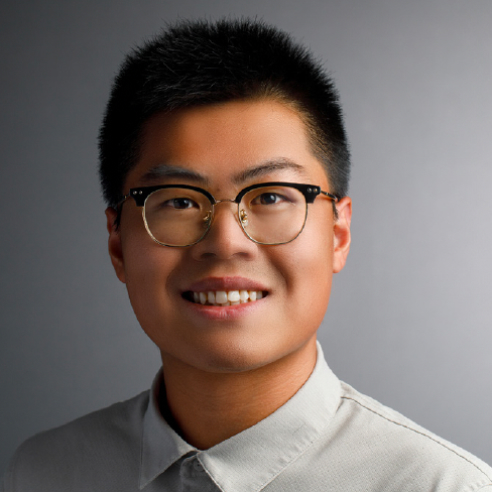
Dr. Tianyang Mao will investigate the temporal encoding of cytokine signaling in anti-tumor immunity in Dr. Darrell Irvine’s lab at the Massachusetts Institute of Technology. Dr. Mao will use a novel controlled drug release technology which enables programmable control over the duration of cytokine exposure in vivo. This unique approach will allow Mao to make novel insights into how cytokine temporal dynamics shape cancer immunosurveillance. Better understanding of the immunological impact of cytokine release kinetics will guide the development of temporally reprogrammed cytokine therapeutics for cancer treatment.
Mao’s expertise in immunology emerged as a graduate student in Dr. Akiko Iwasaki’s lab at Yale University. There Mao developed an intramuscular prime–intranasal boost vaccine strategy for SARS-CoV-2 termed “prime and spike,” which leverages preexisting immunity generated by primary mRNA-LNP vaccines to elicit mucosal immunity within the respiratory tract using unadjuvanted intranasal spike boosters. In addition, he developed several antiviral strategies that trigger type I interferon-based immune protection against SARS-CoV-2, including a short stem-loop RNA agonist for the innate immune receptor RIG-I and an aminoglycoside antibiotic with unexpected antiviral properties. Collectively, these strategies hold great promise to not only prevent disease, but also viral transmission. Now, Mao will build on this experience, using novel bioengineering techniques in the Irvine Lab, to make new inroads into the importance of timing in immune responses to cytokines.
University of Washington
Appointed in 2022
Read more
University of Washington
Appointed in 2022
Mechanisms of Immune Memory Generation in a Native RNA Targeting CRISPR System
CRISPR systems are the adaptive immune systems of bacteria that are crucial for defense against bacteriophage infection. Immune memory is stored as short DNA sequences in the CRISPR array, called “spacers”, and upon transcription and processing these associate with Cas nucleases to search for matching viral targets and initiate nucleic acid cleavage. Type VI CRISPR systems are unique in that they recognize RNA, and target recognition leads the nuclease Cas13 to indiscriminately cleave cellular RNA. While the targeting steps of this CRISPR type are well-understood, it is still unknown how new spacers are acquired, especially since most type VI CRISPR operons lack the known acquisition machinery. Here, we probe the mechanisms of type VI CRISPR immune memory generation using Listeria seeligeri, a genetically tractable host that endogenously encodes type VI CRISPRs. We show that type VI CRISPR can use the adaptation genes from other CRISPR systems in the genome to integrate new memories into the type VI array, both in vivo and in vitro. In addition, we find no clear bias for acquisition of functional, RNA targeting spacers during growth or infection; however, we do observe some bias for acquisition from highly transcribed regions. In the future, we aim to identify additional factors required for acquisition of new spacers in the type VI CRISPR locus and determine the origin of newly acquired spacers.
Stanford University
Appointed in 1983
Cloning of human low density lipoprotein gene(s)
Harvard University
Appointed in 1983
Temporal specificity of chorion gene expression in Drosophila
MRC Center, University Medical School, England
Appointed in 1961
Read more
MRC Center, University Medical School, England
Appointed in 1961
Medical genetics
Rockefeller University
Appointed in 1947
Histochemical study of precancerous lesions
University of California, Los Angeles
Appointed in 1997
Read more
University of California, Los Angeles
Appointed in 1997
Structure of a neuronal splicing enhancer complex
Harvard University Medical School
Appointed in 2005
Read more
Harvard University Medical School
Appointed in 2005
Whole-genome RNAi screens to dientify insulator genes
Massachusetts Institute of Technology
Appointed in 1997
Read more
Massachusetts Institute of Technology
Appointed in 1997
Platinum oligonucleotides and anticancer drugs
Northwestern University
Appointed in 2008
Mechanisms of sequence-based resistance to bacteriophages and plasmids in Eubacteria
Carnegie Institute for Science
Appointed in 1994
Read more
Carnegie Institute for Science
Appointed in 1994
Xenopus functional assay for the study of apoptosis
Johns Hopkins University
Appointed in 1995
Regulation of nuclear envelope assembly after mitosis
University of California, Berkeley
Appointed in 1968
Read more
University of California, Berkeley
Appointed in 1968
Cell transformation
University of North Carolina
Appointed in 1982
Embryo microinjection
Harvard University
Appointed in 1987
Mechanisms used by eukaryotic transcriptional activator proteins
La Jolla Institute for Allergy and Immunology
Appointed in 2012
Read more
La Jolla Institute for Allergy and Immunology
Appointed in 2012
Induction of anergy/exhaustion by NFAT1
Yale University
Appointed in 2016
Defining the landscape and function of pseudouridines in pre-mRNA
University of California, Berkeley
Appointed in 1957
Read more
University of California, Berkeley
Appointed in 1957
Mouse leukemia
Harvard University
Appointed in 1980
T7 DNA replication in vitro
Harvard University Medical School
Appointed in 1981
Read more
Harvard University Medical School
Appointed in 1981
Rockefeller University
Appointed in 2011
Read more
Rockefeller University
Appointed in 2011
Molecular genetics of water sensation and oviposition site preference the in the yellow fever mosquito
University of Wisconsin, Madison
Appointed in 1965
Read more
University of Wisconsin, Madison
Appointed in 1965
Tumor viruses
Stanford University
Appointed in 1971
Interaction of the lac-repressor protein with DNA
University of California, San Diego
Appointed in 1972
Read more
University of California, San Diego
Appointed in 1972
Structure determination of the enzyme dihydrofolate reductase
Pennsylvania State University
Appointed in 2000
Helicase dynamics in DNA replication
Massachusetts Institute of Technology
Appointed in 2001
Read more
Massachusetts Institute of Technology
Appointed in 2001
University of California, San Francisco
Appointed in 1988
Read more
University of California, San Francisco
Appointed in 1988
Kinesin's biological roles, a genetic approach
MRC Center, University Medical School, England
Appointed in 1969
Read more
MRC Center, University Medical School, England
Appointed in 1969
Structure and function in tRNA
Stanford University
Appointed in 1990
Awarded Sponsor: Stanford University
Transcriptional regulation by homeotic genes
University of Washington
Appointed in 2022
Read more
University of Washington
Appointed in 2022
Tissue Specific Sentinels of Type 2 Immunity
The innate immune system is paramount in recognizing foreign or mutated material and initiating proper immune responses to combat them. Recognition of allergens and parasitic worms (helminths) elicit a socalled “type 2” immune response focused on expulsion of stimuli and tissue repair. Type 2 immune responses impact the prognosis of many cancers and the success of immunotherapies, but how these responses are established remains poorly understood. Group 2 innate lymphoid cells (ILC2s) initiate and propagate type 2 immune responses, but do not sense immune agonists directly. The origin and regulation of host-derived signals leading to ILC2 activation is therefore an area of immense interest. Recent work identified a specialized population of epithelial tuft cells responsible for sensing helminths and activating ILC2s by secreting interleukin(IL)-25 and cysteinyl leukotrienes in the small intestine. Airway ILC2s are similarly important for type 2 immune responses in the lung, but tuft cells are dispensable in this context. My proposal seeks to identify the signals that activate intestinal tuft cells and a novel cell subset responsible for airway ILC2 activation. Examining the initiation of type 2 immunity in multiple organs will uncover both convergent and divergent mechanisms by which type 2 responses can be further manipulated.
Stanford University
Appointed in 1977
Enzymatic analysis of general recombination
Harvard University Medical School
Appointed in 1971
Read more
Harvard University Medical School
Appointed in 1971
RNA transcrption
University of California, Los Angeles /
University of Basel, Switzerland
Appointed in 1983
Read more
University of California, Los Angeles / University of Basel, Switzerland
Appointed in 1983
Isolation of Drosophila genes
Stanford University
Appointed in 1985
Differentiation of T cells initiated by stimulation of the R cell antigen receptor
California Institute of Technology /
Yale University
Appointed in 1976
Read more
California Institute of Technology / Yale University
Appointed in 1976
Human thrombin, lactose repressor system
University of California, San Diego
Appointed in 1981
Read more
University of California, San Diego
Appointed in 1981
Role of x heterochromatin in control of meiosis and spermatogenesis in D. melanogaster
Weizmann Institute of Science, Israel
Appointed in 1968
Read more
Weizmann Institute of Science, Israel
Appointed in 1968
Mechanism of enzymatic action of lysozyme
University of California, Berkeley
Appointed in 2005
Read more
University of California, Berkeley
Appointed in 2005
Analysis of septin filament assembly in S. Cerevisiae
University of Copenhagen, Denmark /
Cambridge University, England
Appointed in 1949
Read more
University of Copenhagen, Denmark / Cambridge University, England
Appointed in 1949
Nucleic acids
Harvard University
Appointed in 2011
Read more
Harvard University
Appointed in 2011
The role of PHA-4 binding in cell fate specification during organ formation
Stanford University
Appointed in 2000
Biosynthetic engineering of a polyketide synthase