
Harvard University Medical School
Appointed in 2000
Read more
Harvard University Medical School
Appointed in 2000
Interactions with dual species biofilms
King's College, London
Appointed in 1984
A novel microtubule-associated protein causes TP-sensitive aggregation of microtubules
University of Utah
Appointed in 2007
Is PIP2 required for synaptic vesicle exocytosis or endocytosis?
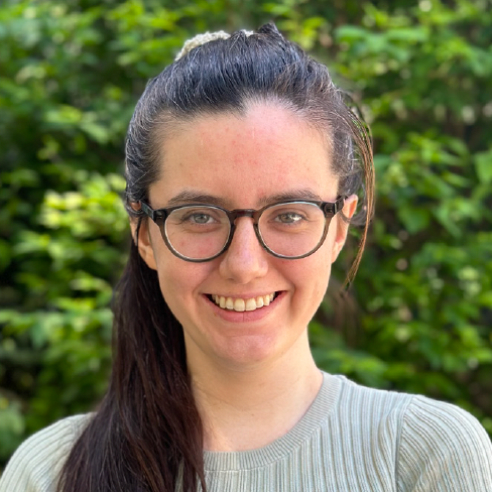
Harvard University
Appointed in 2024
Learning structure in genotype to phenotype maps
Inferring the genetic basis of quantitative traits is foundational to understanding the biological mechanisms that underlie complex phenotypes such as behavior, homeostasis, and disease. Mapping genotype to phenotype has been transformational for understanding and treating diseases controlled by a single gene, or monogenic. However, understanding complex, highly polygenic phenotypes with currently available approaches can take decades of research from fields of researchers to make progress, if the problem is even solvable with current methodologies.
Dr. Caroline Holmes will transform the process of unraveling polygenic phenotypes in Dr. Michael Desai’s lab at Harvard University. Dr. Holmes will develop new computational approaches and use high-throughput experiments to learn the structure of interactions between genes involved in a particular phenotype. Holmes then will test her predictions of interactions with mutational perturbations. Ultimately, Holmes will develop methods to improve the generalizability of genotype to phenotype maps and test their accuracy on a distinct microbe that was not used to train the system. If successful, Holmes’ methods would rapidly catalyze the process of understanding and rationally perturbing polygenic phenotypes.
Holmes’ longstanding interest in both biology and physics dates back to her studies and research as an undergraduate student at Emory University. Her graduate studies emphasized the physics side as Holmes mainly used theoretical approaches in the labs of Dr. Bialek and Dr. Palmer at Princeton University. However, many of Holmes’ research applications were still biological in nature. For example, Holmes demonstrated that non-24 hour circadian periods can compensate for systematic error that arises as a result of seasonality. Holmes will now develop quantitative experimental systems during her postdoctoral research and combine this with her expertise in theoretical approaches to make inroads into complex polygenic phenotypes.
Stanford University
Appointed in 1994
Dissecting converging signalling pathways in T cell activation
Harvard University
Appointed in 1998
Neural mechanisms of mammalian pheromone recognition
Harvard University
Appointed in 2007
Experimental evolution of symbiosis
University of Chicago
Appointed in 1972
Harvard University and Cold Spring Harbor Laboratory /
Cold Spring Harbor Laboratory
Appointed in 1971
Read more
Harvard University and Cold Spring Harbor Laboratory / Cold Spring Harbor Laboratory
Appointed in 1971
Life cycle of tumor virus SV40
University of California, Berkeley
Appointed in 2003
Read more
University of California, Berkeley
Appointed in 2003
Epithelial migration in the drosophila egg chamber

Harvard University
Appointed in 2022
Read more
Harvard University
Appointed in 2022
Dissecting the neuronal logic of behavioral hierarchy
Animals rely on instinctive behaviors and homeostatic responses, such as parenting, feeding, mating, and sleeping, to ensure individual and species survival. Maximizing survival requires meeting the most pressing needs at the right time, forcing animals to establish behavioral priorities based on a hierarchy of needs. Neurons controlling many of these behaviors are located within the highly interconnected medial preoptic area of the hypothalamus (MPA), making this structure a likely control hub underlying behavioral hierarchy. However, the neural logic of intra-MPA connectivity and how this directs behavioral priorities across physiological states is unknown.
Using the mouse MPA as a model system, I am studying the cell type-specific structural and functional connectivity underlying key competing behavioral and physiological responses. Further, I am determining how animal states, such as virgin or parent, alter neuron function to induce new behavioral priorities. This work will provide the first depiction of a neural basis of the hierarchy of needs and open new avenues for understanding the neural basis of behavior.
University of California, San Francisco
Appointed in 2007
Read more
University of California, San Francisco
Appointed in 2007
Synthetic chromatin: exploring the design principles
Harvard University School of Public Health
Appointed in 2018
Read more
Harvard University School of Public Health
Appointed in 2018
Role of the P13K-mTOR signaling network in reprogramming lipid metabolism
To proliferate, cancer cells activate diverse biosynthetic pathways, and determining the critical metabolic pathways will allow new therapies to be developed. Recent studies of cancer metabolism have examined pathways to generate amino acids, nucleotides, and lipids. Studies of lipid metabolism have been largely confined to understanding how cells generate the precursors for de novo lipid synthesis; however, how cells determine the fates of these lipids and how these pathways contribute to proliferation remain undefined. I propose to study the regulation of lipid metabolism downstream of proliferative signaling via the PI3K-mTORC1 network. mTORC1 is a master regulator of cellular metabolism that promotes key anabolic processes, including fatty acid synthesis. My preliminary data suggest that this kinase also regulates the fate of specific lipid pools, favoring synthesis of phospholipids over triglycerides. My proposed studies will define the mechanism and consequences of this regulation. Activating lipid synthesis allows cells to couple membrane expansion to other biosynthetic processes, and I will determine whether the programmed changes in lipid metabolism represent a vulnerability of cells with oncogenic activation of mTORC1. Collectively this study will advance current knowledge of how oncogenic signaling influences cancer metabolism and will define how lipid metabolism contributes to cancer cell proliferation.

Memorial Sloan Kettering Cancer Center
Appointed in 2024
Read more
Memorial Sloan Kettering Cancer Center
Appointed in 2024
Mechanisms and consequences of APOBEC3 targeting of extrachromosomal DNA
Extrachromosomal DNAs (ecDNAs) are circular DNA elements that amplify oncogenes and mediate chemotherapy resistance. Despite their importance in cancer, currently no therapies directly target these aberrant molecular structures.
Dr. Amer Hossain will investigate innate immune system recognition of ecDNAs to limit their oncogenic potential in Dr. John Maciejowski’s lab at Memorial Sloan Kettering Cancer Center. Dr. Hossain’s research will provide a fundamental understanding of the recognition and processing of ecDNAs by the immune system. Furthermore, his studies may provide insight into defects in this process that lead to cancer, and into therapeutic strategies to reinforce immune clearance of ecDNAs.
Hossain studied bacteria-phage conflicts as a graduate student in Dr. Luciano Marraffini’s lab at The Rockefeller University. Specifically, he developed a novel functional assay to screen for antiphage defense elements, and discovered a DNA glycosylase that inhibits phage replication. At first glance, this might seem like a distant subject from cancer biology. Yet, Hossain notes in many ways the immune-ecDNA conflict mirrors the host-pathogen conflict in that they both involve recognition and degradation of DNA substrates. Therefore, Hossain will apply his expertise to cancer biology during his postdoctoral research.
Massachusetts Institute of Technology
Appointed in 2000
Read more
Massachusetts Institute of Technology
Appointed in 2000
Biochemical studies of Xist-mediated gene silencing
Harvard University
Appointed in 1991
Role of CDC14 and a related check point in mitosis
Massachusetts Institute of Technology
Appointed in 1971
Read more
Massachusetts Institute of Technology
Appointed in 1971
DNA synthesis in HeLa cells
Johns Hopkins University
Appointed in 1980
Control of ASN-linked oligosaccharide processing
Harvard University Medical School
Appointed in 2019
Read more
Harvard University Medical School
Appointed in 2019
Spatial and temporal organelle quality control during changes in cell state
I have always been fascinated by the individual machines of the cell called organelles. In undergrad, I tagged yeast cells with a fluorescent mitochondria reporter. When I looked under the microscope, I was fully hooked. The microscopic world inside the cell was much more elaborate that I could have ever imagined. Subsequently, I decided to continue on to graduate school and study the endoplasmic reticulum (ER) in mammalian cultured cells. The ER is often pictured as this static platform for protein synthesis, but using live cell fluorescence microscopy, you can see how the ER dynamically rearranges its structure: tubules grow out or retract, sheets shrink or expand. This drives a constant remodeling process. For my PhD thesis, I focused on why and how the ER remodels its structure to contact other organelles.
In my current work, I now get to study organelles in neurons. A specialized cell like a neuron maintains a certain shape and structure to properly function. Cells can clear away damaged organelles through the “self eating” process of autophagy. Interestingly, prior evidence indicates that autophagy machinery is needed for human embryonic stem cell differentiation to different cell states. However, to date, there is no established systematic map of organelle-phagy for stem cell conversion to a neuron. Additionally, in human patients with neurodegenerative diseases, including Parkinson’s disease, many identified gene variants are in autophagy-regulating genes. In my work, I genetically edit and tag stem cells using CRISPR and then convert these cells to neurons. With these engineered induced neurons, I study organelle structure, dynamics, and turnover in order to reveal the underlying mechanisms sustaining the architecture required for healthy and efficient neuronal function.
National Cancer Institute
Appointed in 1994
Read more
National Cancer Institute
Appointed in 1994
Functional expression and mutational analysis of human P-glycoprotein
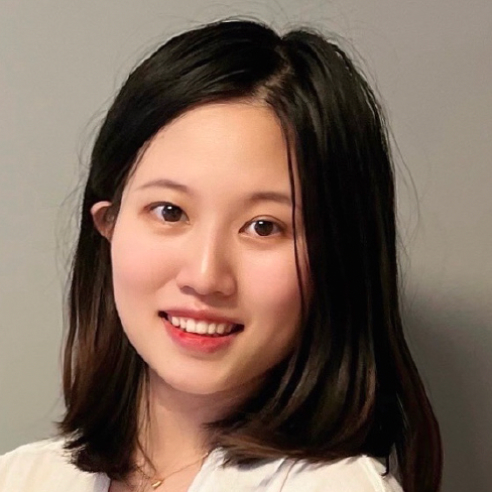
Dana-Farber Cancer Institute & Harvard Medical School
Appointed in 2024
Read more
Dana-Farber Cancer Institute & Harvard Medical School
Appointed in 2024
Unveiling Novel Therapeutic Targets in Cancer Through Cell-Surface Proteomic Profiling
Dr. Yanyan Hu’s research focuses on discovering new biomarkers to help diagnose, monitor, and treat cancer. In particular, Dr. Hu hypothesizes that studying the tumor cell surface proteome will reveal an abundance of potential therapeutic and diagnostic targets against cancer.
In Dr. William Kaelin, Jr.’s lab at Dana-Farber Cancer Institute, Hu has devised a proximity labeling method that enables the direct quantification of proteins on the surface of cancer cells. Hu will now use this method to examine two types of cancer: clear cell renal cell carcinoma, and tumors with homologous recombination defects. In addition to revealing novel and fundamental information on cancer cell surface proteomes, Hu’s research has direct implications for future diagnostic and therapeutic approaches.
Hu’s Ph.D. research in Dr. Sheng Ding’s lab at Tsinghua University focused on totipotent stem cell biology. Totipotent stem cells are capable of producing every kind of differentiated cell in both embryonic and extraembryonic tissues. Previously, they had only been generated through IVF or SCNT using germline cells. Hu discovered a cocktail of three small molecules that converted mouse pluripotent stem cells into totipotent stem cells. Now Hu will apply her expertise of stem cell biology to explore similar mechanisms – such as cellular plasticity, self-renewal, and differentiation – to cancer biology during her postdoctoral research.
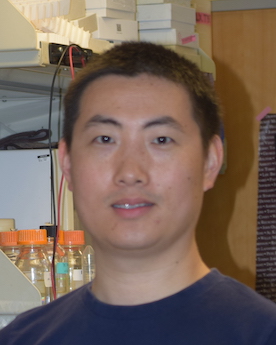
Fred Hutchinson Cancer Center
Appointed in 2023
Read more
Fred Hutchinson Cancer Center
Appointed in 2023
Elucidate the dynamics of kinetochore assembly by single-molecule imaging
Aneuploidy is a hallmark of cancer development and occurs due to defects in chromosome segregation. The kinetochore, a complex consisting of over 100 different types of proteins, is required for the proper segregation of chromosomes. However, we lack an in depth understanding of the step-by-step assembly process resulting in a functional kinetochore due to the extreme molecular and temporal complexity of this complex. Dr. Changkun Hu will reconstitute kinetochore assembly in vitro and use TIRF microscopy to measure individual kinetochore protein recruitment times in Dr. Sue Biggins’ lab at the Fred Hutch. This approach will allow Dr. Hu to determine rate-limiting steps and key regulating mechanisms in kinetochore assembly and will serve as a blueprint for future studies examining the assembly of other large complexes. Furthermore, this work may reveal novel trouble points in chromosome segregation that lead to aneuploidy in cancer.
As a PhD student in Dr. Nicholas Wallace’s lab at Kansas State University, Dr. Hu’s research focused on the repair of DNA double-strand breaks (DSBs). Dr. Hu demonstrated that beta human papillomavirus type 8 protein E6 (8E6), long known to impair traditional DNA-repair pathways, also promotes DNA repair via a mutagenic DSB repair pathway termed alternative end joining. In this way, 8E6 promotes cancer development by increasing genomic instability. Dr. Hu will now pivot to study genome stability at the chromosome level in Dr. Biggins’ lab.
Whitehead Institute for Biomedical Research
Appointed in 1998
Read more
Whitehead Institute for Biomedical Research
Appointed in 1998
Analysis of cell expansion regulation in Arabidopsis
Yale University School of Medicine
Appointed in 2003
Mechanism of cell polarity in the sorting pathway
Washington University in St. Louis
Appointed in 1997
Read more
Washington University in St. Louis
Appointed in 1997
Closing the gap: Near-native folds to all-atom models
Stanford University
Appointed in 2014
Spatiotemporal dissection of BDNF-TrkB in circuit assembly
Rockefeller University
Appointed in 1972
Read more
Rockefeller University
Appointed in 1972
Isolation and characterization of conditions mutations affecting cellular neurotubules
University of California, San Francisco
Appointed in 2015
Read more
University of California, San Francisco
Appointed in 2015
Within and between-cell effects of driver mutations on breast tumor fitness
I am applying quantitative engineering approaches to study collective cell phenomena in cancer. Different cells in tumors develop different sets of mutations over time, creating a range of cell clones. One view of the role of cancer mutations is that they enable a small number of progressively malignant clones to take over the tumor one after another. However, mutations can have more complicated effects on tumor progression because their outward effects on the growth of a clone can depend on who their neighbors are. Therefore, I want to understand how cancer mutations affect the overall fitness of tumors by directly measuring it, not just in the cells that contain mutations, but also in neighboring cells. My research aims to shed light on how benign tumors make the transition to proliferative, invasive tumors; perhaps uncovering an Achilles heel to the manipulation of normal cells by mutant ones, leading to new types of cancer therapies.
New York University
Appointed in 2006
Studying the epigenetic nature of CD4 silencing in fully committed cytotoxic T cells
Purdue University
Appointed in 1972
Structures and interactions of intercellular polysaccharides
Imperial Cancer Research Fund Laboratories, England
Appointed in 1974
Read more
Imperial Cancer Research Fund Laboratories, England
Appointed in 1974
Genetic structure of RNA tumor viruses
Harvard University Medical School
Appointed in 2013
Read more
Harvard University Medical School
Appointed in 2013
The role of organ communications in stem cell aging
Harvard University
Appointed in 1970
Translational control of cocoonase biosynthesis
University of Texas Southwestern Medical Center
Appointed in 1992
Read more
University of Texas Southwestern Medical Center
Appointed in 1992
Novel membrane protein crystallization reagents
Massachusetts Institute of Technology
Appointed in 1998
Read more
Massachusetts Institute of Technology
Appointed in 1998
Genetic analysis of neuromodulators in nematode
Salk Institute for Biological Studies
Appointed in 1970
Read more
Salk Institute for Biological Studies
Appointed in 1970
Tumor antigens in murine myeloma cells
Stanford University
Appointed in 1966
Enzymology of nucleic acid metabolism
Harvard University
Appointed in 1978
Chorion gene organization and expression in the Silkmoth Bombyx mari
Duke University
Appointed in 1987
Suproxide production by respiring membranes of E. coli
University of California, San Francisco
Appointed in 1994
Read more
University of California, San Francisco
Appointed in 1994
Functional analysis of oncogene/steroid receptor

Harvard University
Appointed in 2021
Read more
Harvard University
Appointed in 2021
Microscopic measurements of membrabe tension in motile cells
Cancer metastasis and immune cell migration require motile movement, meaning the cell membrane must slip relative to the cytoskeleton. Thus, membrane-cytoskeleton attachments in motile cells likely rearrange, allowing tension to propagate across the membrane. In the current literature, there are ~106-fold discrepancies in reported timescales of membrane tension propagation. I hypothesize these discrepancies reflect variability between cell types, arising from differences in membrane microstructure. I specifically hypothesize that in motile cells, transmembrane proteins are arranged to allow membrane flow, enabling rapid tension equilibration, while non-motile cell membranes are structured to impede tension propagation.
I will directly measure tension propagation timescales in motile and non-motile cells and simultaneously characterize the arrangement of cytoskeleton-anchored transmembrane proteins. I will use optical tweezers to stretch membrane tethers, perturbing and measuring tension. I will visualize immobile transmembrane proteins with targeted photochemical labeling and high-resolution fluorescence imaging, revealing how transmembrane protein arrangement regulates membrane fluidity, and how cancer cells might exploit this to metastasize
University of California, Berkeley
Appointed in 1958
Read more
University of California, Berkeley
Appointed in 1958
Cofactor invocled in glutamate fermentation by Clostridium tetanomorphum as a Viatamin B12 derivative
Harvard University Medical School
Appointed in 2003
Read more
Harvard University Medical School
Appointed in 2003
Dissection of innate immunity in C elegans
Institut Pasteur, France
Appointed in 1995
Role for phosphoinositide 3-kinase in bacterial invasion
University of Cambridge, England /
Yale University
Appointed in 1986
Read more
University of Cambridge, England / Yale University
Appointed in 1986
Genetic and molecular basis of positional specification
Stanford University
Appointed in 1983
DNA sequencing
Harvard University Medical School
Appointed in 2007
Read more
Harvard University Medical School
Appointed in 2007
Roles of a histone demethylase SMCX in neuronal function
Harvard University
Appointed in 1979
Molecular basis of transvection in Drosophila
Harvard University
Appointed in 1972
Structure of spherical viruses
University of Massachusetts Medical School
Appointed in 1975
Read more
University of Massachusetts Medical School
Appointed in 1975
Regulation of slime mold mRNA synthesis
Rockefeller University
Appointed in 2003
Mechanism of transcription activiation